

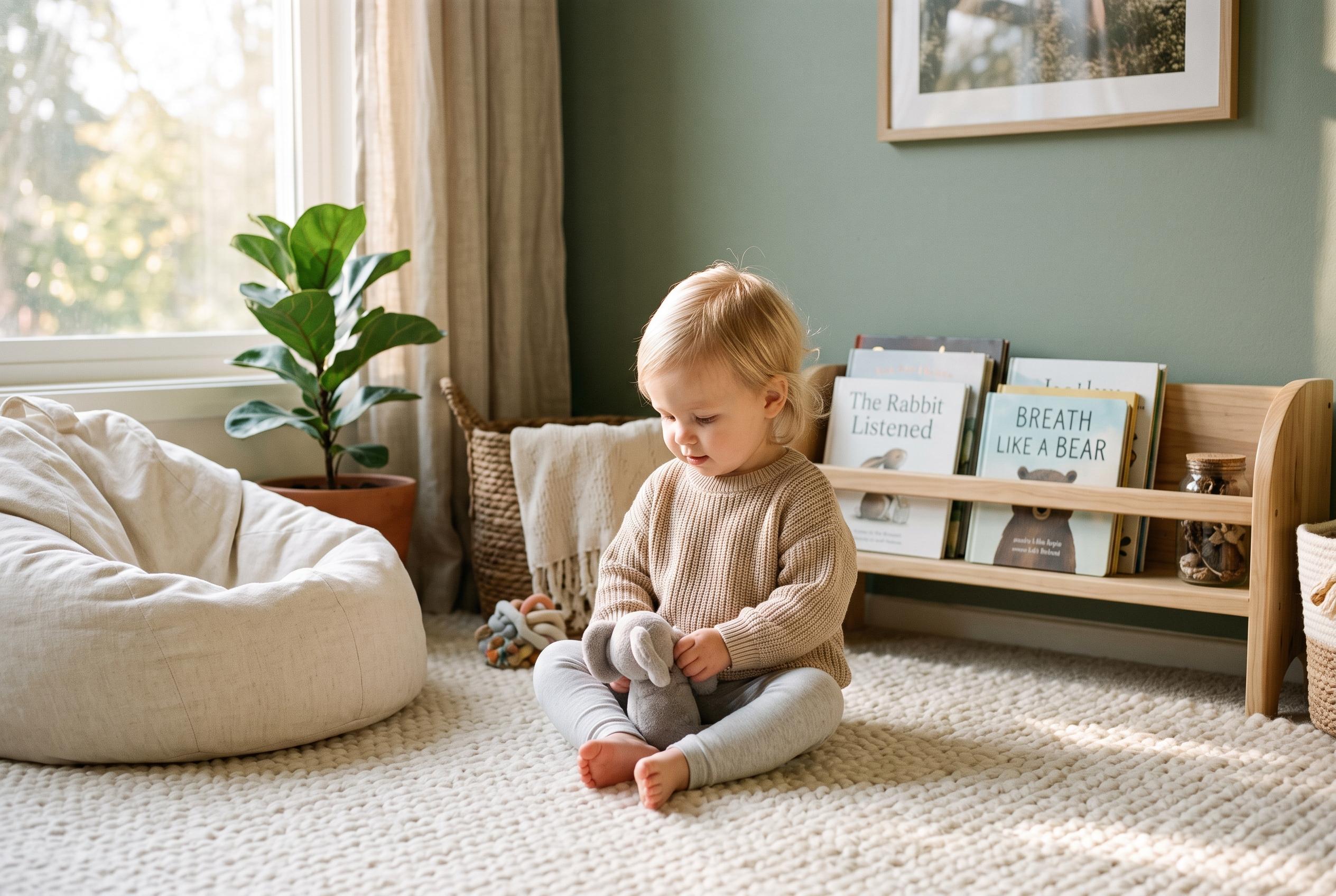

A simple, consistent calm corner provides toddlers with a safe space to manage their feelings, aiding self-regulation and reducing meltdowns, according to experts from WebMD and Brown University.
A calm corner can give toddlers a predictable place to regroup when feelings run high. Rather than treating it as punishment, child-development guidance from WebMD and Brown University Health describes the space as a simple tool for helping young children learn self-regulation, problem-solving and self-control. For parents and carers, the aim is to make the area feel safe, soothing and easy to understand.
The most effective versions tend to be small and consistent. Advice from Brown University Health and Aulino suggests choosing a quiet spot, away from heavy foot traffic, and keeping the set-up straightforward enough for a toddler to recognise instantly. Soft lighting, familiar textures and a few calming objects can help, while the space itself should remain uncluttered so it does not become overstimulating.
Experts also recommend making the corner emotionally neutral. WebMD and The Bump both frame it as a place a child can use to settle, not a penalty zone, which helps reinforce the idea that strong emotions are manageable rather than shameful. That distinction matters for toddlers, who are still learning how to name feelings and recover from frustration.
Simple tools can make the space more useful. Parenting Mentor and SensoryGift suggest age-appropriate items such as cushions, a soft toy, picture cards, a book or a sensory object that a child can hold and focus on. The key is repetition: when a toddler sees the same calming cues each time, the routine can become easier to follow and more effective over time. BabyYumYum says many parents find that consistent use can reduce meltdowns and make daily emotional regulation less overwhelming for the whole household.
Disclaimer: This content is for informational purposes only and is not intended to be a substitute for professional medical judgment, advice, diagnosis, or treatment.



