

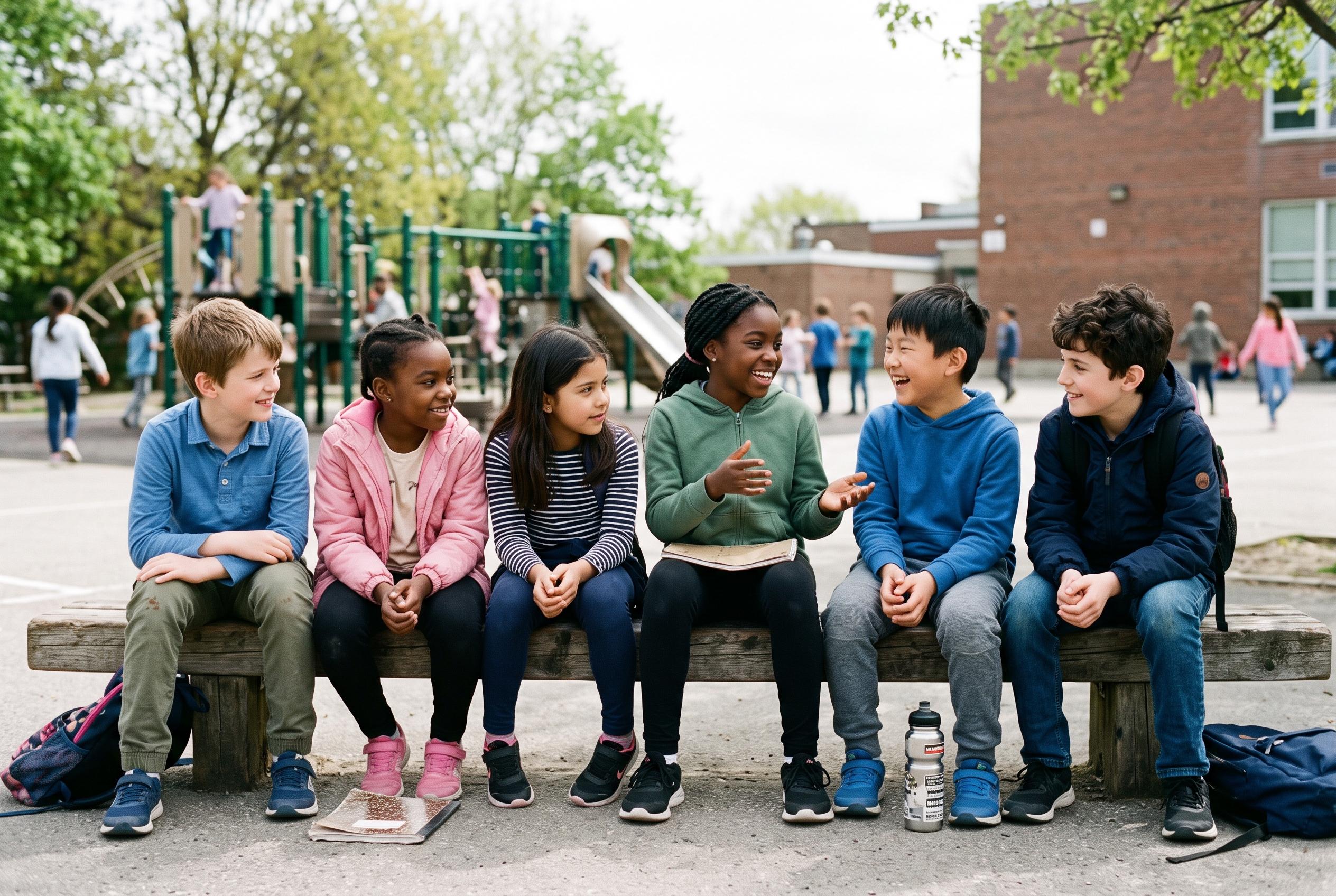

Peer influence can encourage healthy habits as well as risky behaviour, making open conversations and rehearsed responses vital tools for helping children resist harmful pressure.
Peer pressure begins long before the teenage years. A small child may already sense the cost of standing apart, and that instinct only strengthens as children grow older. By adolescence, the pull to fit in can become intense, shaping everything from clothing choices to friendships, habits and attitudes. The basic psychology is well established: people are influenced not only by what others do, but by the desire to be accurate, to belong and to protect their sense of self, according to research reviewed in PubMed.
That is why social influence can work in surprisingly ordinary ways. Robert Cialdini’s research, widely cited by the American Psychological Association and Arizona State University, found that people were more likely to conserve energy or reuse hotel towels when they were told that others were already doing so. The lesson is simple but important: children, like adults, often look to the behaviour of the group as a signal for what is normal, acceptable and safe.
Yet peer pressure is not always harmful. In some cases it can encourage growth, discipline and healthier habits. Social scientists distinguish between harmful conformity and beneficial influence, and the difference often lies in the kind of norm a child is absorbing. When the surrounding group values study, responsibility and self-control, children can be lifted by that atmosphere. When the group rewards risky or careless behaviour, the same force can push them in the wrong direction.
That tension is especially relevant for parents trying to guide children through school, camp and social life. The challenge is not to eliminate every outside influence, which would be impossible, but to help children recognise pressure when they feel it and respond with confidence. Research published in the Journal of Personality and Social Psychology suggests that normative messages can be powerful even when people do not consciously recognise their effect. Another study found that social proof can matter differently across cultures and personalities, which is a reminder that children do not all respond in the same way. Some need more practice resisting the crowd; others need help making decisions before a situation becomes difficult.
The practical answer is to build skills early. Parents can keep communication open, talk frankly about social problems before they become crises and rehearse real-life scenarios at home. A child who has practised how to refuse a cigarette, walk away from gossip or ask for help is better prepared than one who has never thought about the moment of choice. The aim is not to raise a child who is rude or defiant for its own sake, but one who knows when politeness must give way to principle. In that sense, the strongest safeguard against harmful peer pressure is not isolation. It is confidence.
Disclaimer: This content is for informational purposes only and is not intended to be a substitute for professional medical judgment, advice, diagnosis, or treatment.



