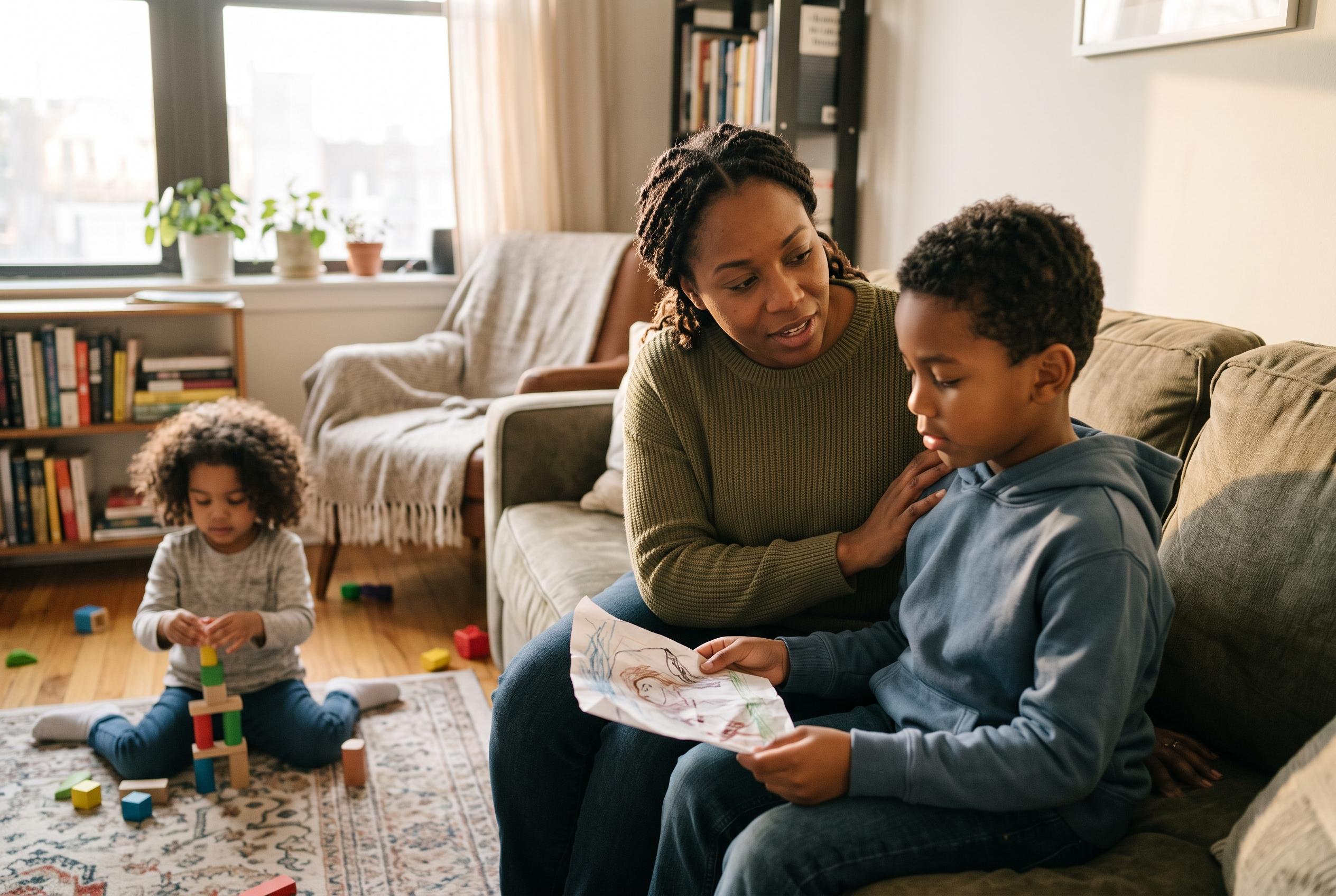

Milda Karklytė-Palevičienė highlights that embracing mistakes and fostering open communication are key to nurturing emotionally resilient children, challenging the pursuit of perfection in parenting.
Child psychologist Milda Karklytė-Palevičienė says parents do not need to be flawless to raise emotionally healthy children; in fact, she argues, children learn more from how adults handle mistakes than from any polished performance of perfection. Speaking on LRT Radio’s “Vaikystės laboratorija”, she said the way adults speak to children can become the child’s inner voice later in life, shaping how they talk to themselves years down the line.
Karklytė-Palevičienė urged parents to think less about occasional lapses and more about what happens afterwards. According to her, it is normal to lose patience from time to time, but what matters is noticing it, returning to the child, apologising and repairing the moment. That, she said, teaches children that strong feelings are part of life and that conflict can be addressed without shame. Similar advice appears in guidance from the American Psychological Association and HealthyChildren.org, which both stress that self-regulation grows through repeated, everyday interactions and calm, open communication.
She also warned against overprotective parenting, saying that doing too much for a child can leave them less able to recognise and name their own needs. As she explained to LRT, children need chances to feel hunger, frustration, disappointment and other uncomfortable emotions, then work out how to cope. That view aligns with Children’s Health and other child-development resources, which say children learn emotional resilience when adults allow them to experience a range of feelings rather than rushing to remove every discomfort.
The psychologist said emotional intelligence is not a single trait but a set of skills that includes self-awareness, relationships, cooperation and conflict resolution. In her view, it begins far earlier than many parents realise, even before birth, as children start responding to familiar voices and a sense of safety in the womb. The broader point, echoed in parent guidance from APA and related child-wellness resources, is that children gradually learn to understand emotions when caregivers name feelings, notice body signals and model steady behaviour.
For parents, she suggested the most useful question is not whether they are doing everything right, but what kind of inner dialogue they want their child to carry into adulthood. Karklytė-Palevičienė said that when adults speak to children with care, that tone becomes part of how the child later speaks to themselves. Short, regular conversations, active listening and a consistent family routine can help make that voice kinder, calmer and more confident.
Disclaimer: This content is for informational purposes only and is not intended to be a substitute for professional medical judgment, advice, diagnosis, or treatment.