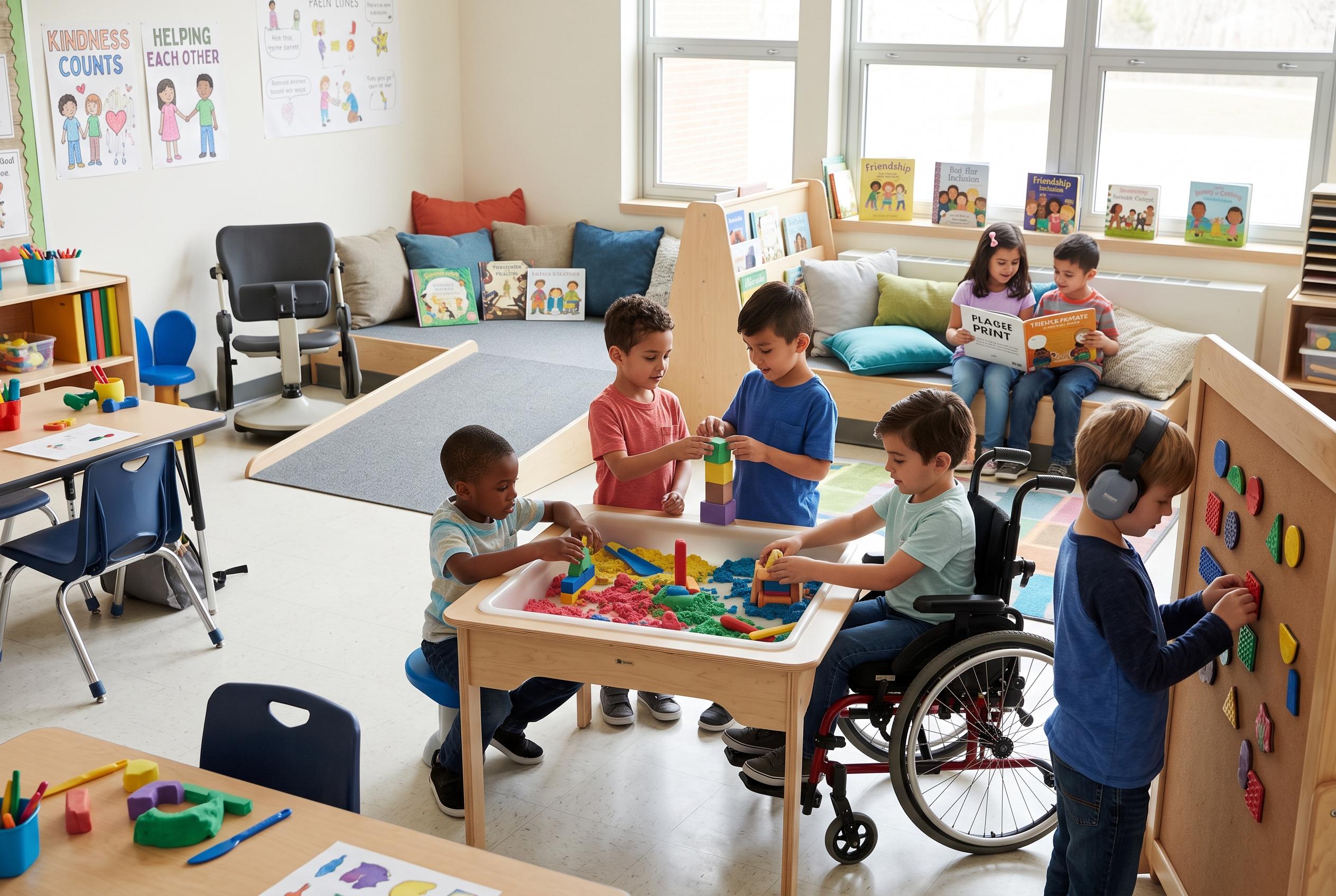

New legislation in California seeks to strengthen protections for students with disabilities, amid research showing they face disproportionate bullying and related mental health impacts.
Students with disabilities are disproportionately exposed to bullying, and the harm can extend well beyond hurt feelings. In California, the legal definition is broad: under Education Code 48900(r), bullying can involve physical, verbal or electronic conduct that is severe or pervasive enough to cause fear, harm or a substantial disruption to a pupil’s health, safety or school participation. School districts such as Temecula Valley Unified also describe bullying as a serious threat to attendance and learning, and urge schools to treat student safety as a priority.
Research suggests the problem is widespread. A study indexed by the National Library of Medicine found that students with disabilities face a higher risk of being bullied than their non-disabled peers, while broader survey-based research has linked school bullying with anxiety, depression and behavioural difficulties. That helps explain why disability-related bullying is not simply a discipline issue but also a student welfare issue, especially when it takes the form of cyberbullying, sexual harassment or exclusion from activities.
Children with special educational needs can be targeted because they may stand out in visible ways, struggle to communicate clearly or have different social skills from their classmates. The advocacy article notes that some students use AAC devices, experience speech differences or display behaviours that make them more noticeable to peers. Those differences can leave them more vulnerable to harassment, and they may be less likely to report it if they fear retaliation or cannot easily describe what is happening.
The fallout can be severe. According to the advocacy article, bullied students may develop anxiety, anger, school avoidance, headaches or stomach pains, and their grades may slip. Some may withdraw from clubs or social groups, while others may internalise the abuse and hide it from adults. The California definition also matters here because it recognises that electronic abuse, not only face-to-face conduct, can interfere with a pupil’s ability to benefit from school.
Parents are advised to document concerns, notify school administrators in writing and ask for a formal investigation, along with a safety plan that spells out what staff should do if bullying happens again. The advocacy piece also recommends bringing the issue to an IEP or Section 504 meeting so additional supports, communication adjustments and, where needed, compensatory services can be considered. If bullying escalates into disability-based discrimination or harassment, families may also pursue district complaint procedures or file with the Office for Civil Rights.
Disclaimer: This content is for informational purposes only and is not intended to be a substitute for professional medical judgment, advice, diagnosis, or treatment.