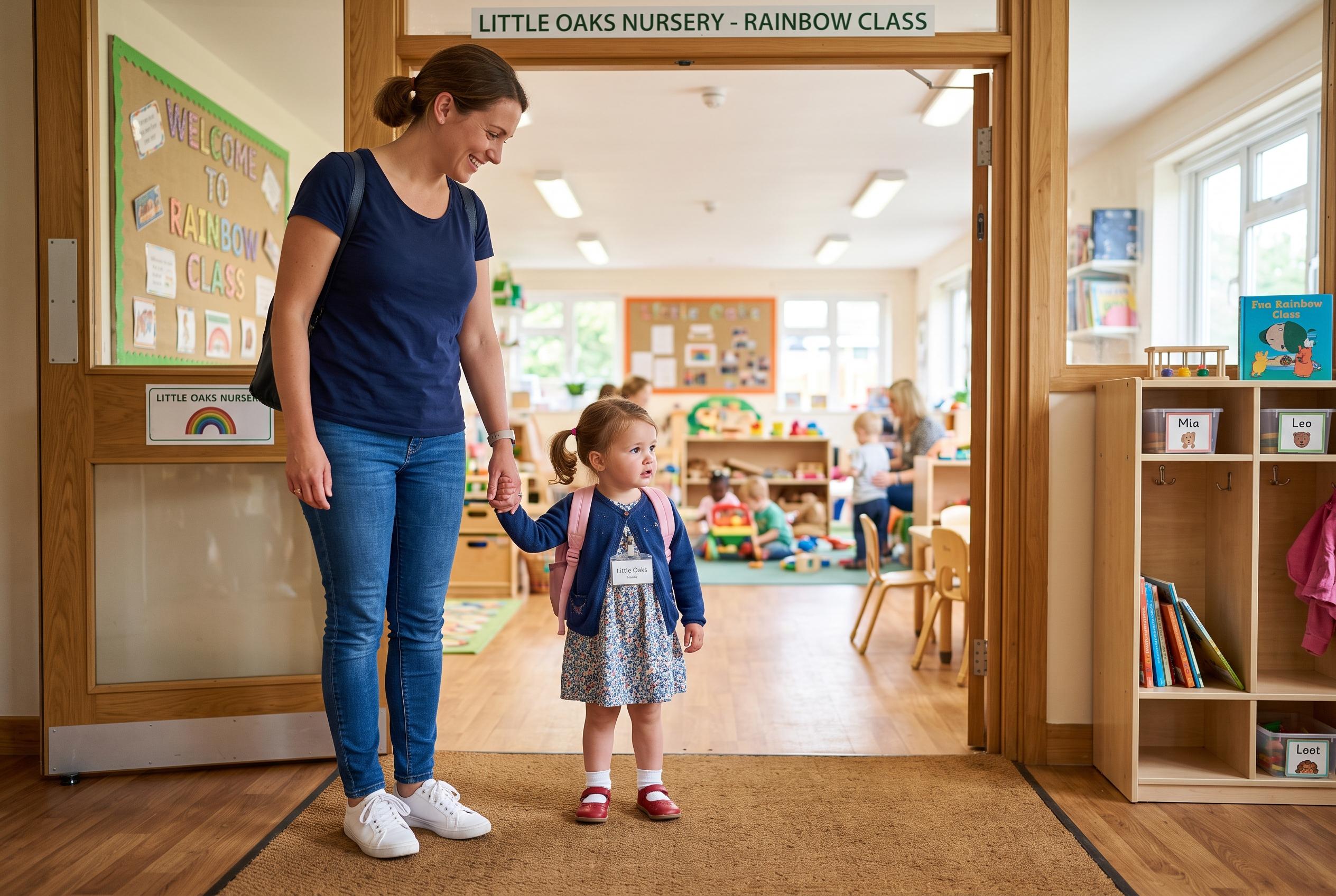

Psychologist Reyhaneh Ahangaran emphasises that trust and preparation can make children’s first days at nursery less stressful for families, highlighting normalised tears and the importance of parental confidence in the adjustment process.
Starting nursery is often one of the first major changes in a young child’s life, bringing new faces, fresh routines and the first regular separations from parents. Psychologist Reyhaneh Ahangaran says the transition works best when children and adults are both given time to build trust with the staff, rather than expecting everything to feel easy on day one.
Ahangaran says tears at drop-off are common and should not be read as a sign that a child is unhappy. She describes the crying as a normal protest against separation, something many children do while they are adjusting to a new setting. Parents, too, may feel unsettled, especially if it is their first time leaving a child in care. According to her, children quickly pick up on that anxiety, which is why parental confidence matters almost as much as the child’s readiness.
Practical preparation can make the first days smoother. Advice from school and parenting specialists points to visiting the nursery in advance, talking about it in simple terms, reading books about starting care and practising short separations before the first full day. Consistent goodbye routines can also help, whether that is a wave, a handshake or a set phrase, because children learn more easily when the farewell is predictable. Experts also warn against slipping away without saying goodbye, as that can increase distress when the child realises a parent has gone.
Ahangaran also says the adjustment is different for every family. Some children settle quickly, while others need longer to feel secure, and parents may need to adapt their expectations accordingly. She encourages families to speak with nursery staff if the worry feels overwhelming, since many providers can offer updates during the day by text or with pictures. Her message is that this stage is a transition for the whole family, and that children are often more resilient than adults fear.
Disclaimer: This content is for informational purposes only and is not intended to be a substitute for professional medical judgment, advice, diagnosis, or treatment.