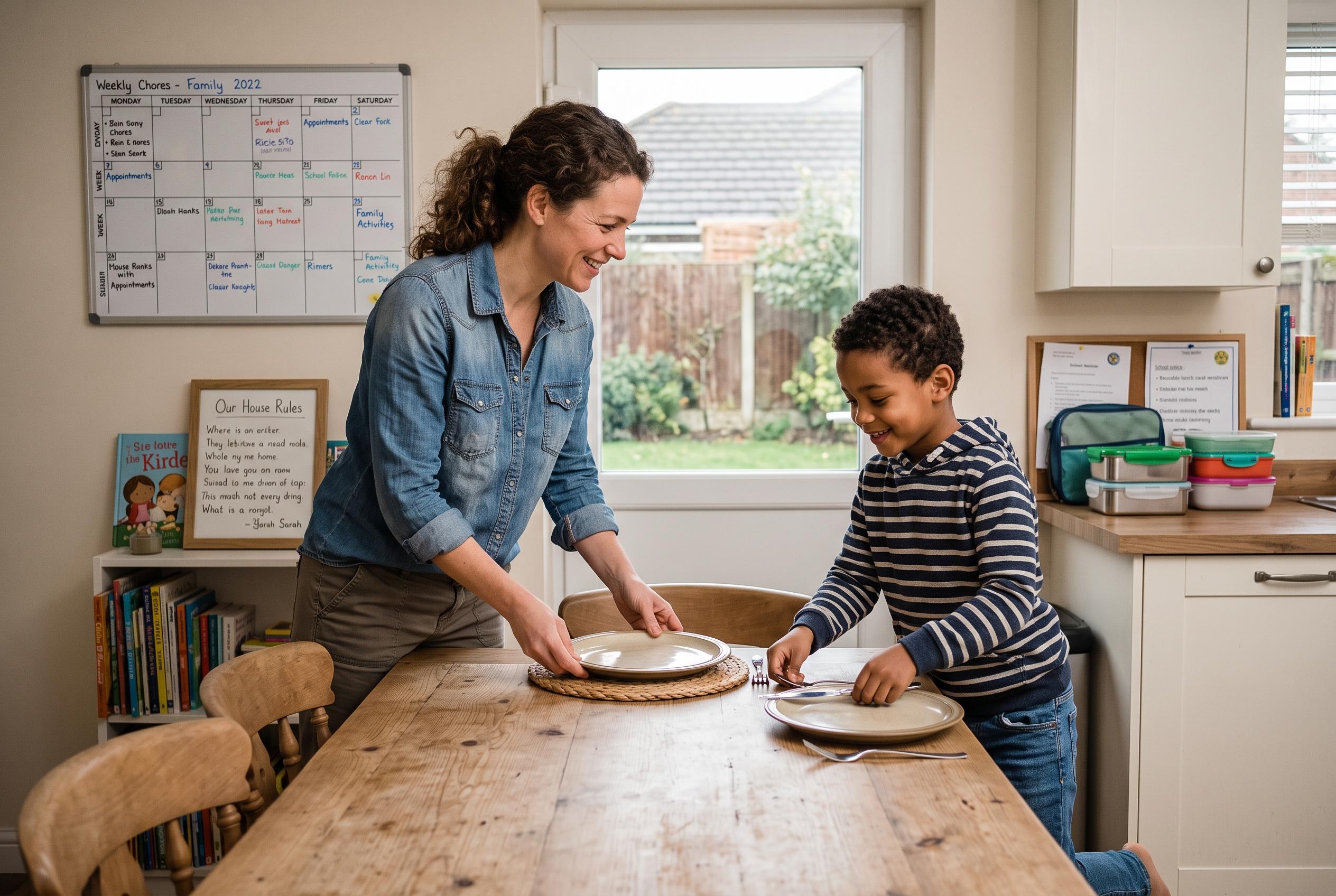

Creating a predictable and supportive environment is crucial for helping foster children feel secure and develop trust, with expert advice emphasising consistency, preparation, and inclusivity in the home.
Entering foster care can unsettle even the most resilient child. Familiar faces, routines, schools and possessions may suddenly disappear, and even a safe new home can feel strange at first. The most helpful response is often not perfection but consistency: a calm, respectful environment in which the child can begin to feel secure.
According to guidance from foster care and child welfare organisations, predictability is one of the strongest ways to ease anxiety. Simple daily patterns around meals, schoolwork, play and sleep can make the day feel manageable. Experts also recommend preparing children for changes in advance, whether that means warning them before bedtime or explaining a shift in plans, so surprises do not pile on more stress.
Trust usually develops slowly, especially for children who have learned not to expect stability from adults. The Administration for Children and Families describes co-regulation as a relationship-based approach in which caring adults respond consistently and help young people manage big feelings through steady, supportive interactions. In practice, that means listening without judgement, naming emotions plainly, staying calm during conflict and avoiding the temptation to treat every difficult reaction as personal.
A welcoming home also gives the child a sense of belonging. That can mean inviting them to help choose dinner, join a family game night or take part in small household jobs that make them feel included. It also means making room for their interests, whether that is sport, art, music or reading, and respecting the importance of their past, including ties to birth family, traditions and culture.
Encouragement matters too, but it works best when it is specific and low-pressure. Praise a child for effort, patience or courage rather than only for outcomes, and notice small achievements such as finishing homework, trying a new food or asking for help. As foster care organisations note, a supportive home is built through repeated actions, not grand gestures. Over time, those actions can help a child feel safer, valued and more ready to settle.
Disclaimer: This content is for informational purposes only and is not intended to be a substitute for professional medical judgment, advice, diagnosis, or treatment.