
Guiding children from infancy to school age in developing self-care skills fosters confidence, school readiness, and social participation, with parents playing a vital supportive role through age-appropriate steps and routines.
Helping children learn to feed, dress and organise themselves is about much more than convenience. According to child development resources, self-care skills support confidence, school readiness and social participation, while also giving children a practical sense of control over their daily lives. The task for parents is not to push independence too quickly, but to build it gradually in ways that suit a child’s age and abilities.
In the earliest years, progress often comes through imitation and repetition. For babies and toddlers, simple steps such as holding a spoon, washing hands, putting on a coat or taking off a hat can lay the groundwork for later independence. Small, child-sized furniture and toys can also encourage movement, helping children practise crawling, standing and walking while improving coordination.
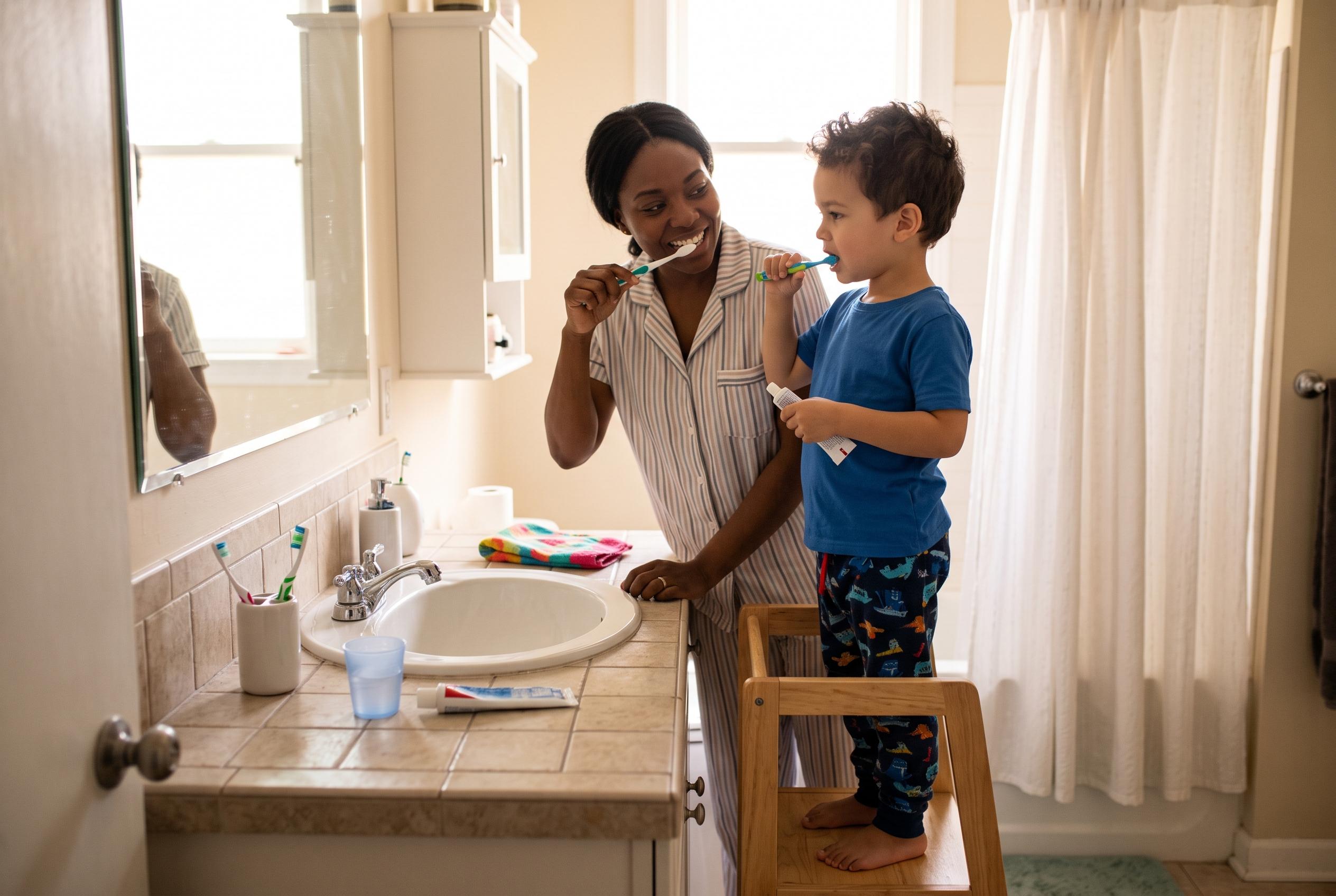
By the preschool years, children are usually ready for more responsibility. At this stage, routine matters: brushing teeth, washing the face, tidying toys and helping with basic household tasks can all become part of daily life. Education resources suggest visual prompts and playful methods, such as role-play, can make these habits easier to learn. A predictable routine also helps children understand the passage of time and settle into a more structured day.
Once children reach school age, the focus shifts towards responsibility and self-management. That can mean doing homework without constant supervision, looking after belongings, managing pocket money or planning time between study and play. Specialists in paediatric occupational therapy note that some children may need extra support if fine motor skills, attention or sensory differences make everyday tasks harder. In those cases, practice, encouragement and, when needed, professional therapy can make a meaningful difference.
Parents play a central role throughout this process because children learn heavily by watching adults. Demonstrating tasks step by step, explaining what is happening and gradually stepping back can be more effective than doing everything for a child. The aim is not perfection, but steady progress. Each child develops at a different pace, and the most helpful approach is one that combines patience, consistency and a supportive home environment.
Disclaimer: This content is for informational purposes only and is not intended to be a substitute for professional medical judgment, advice, diagnosis, or treatment.