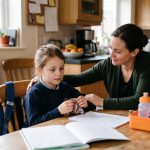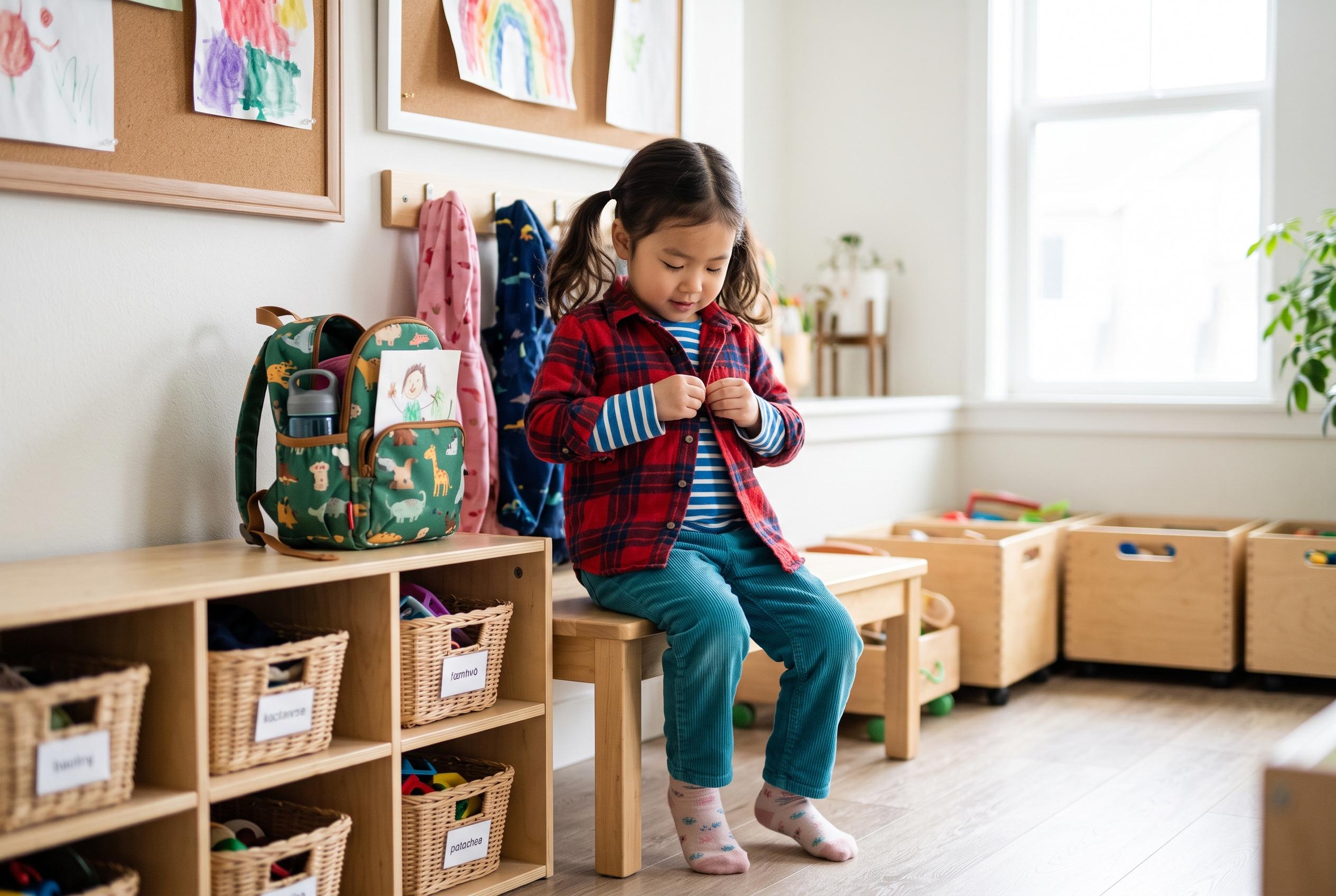

Expert advice suggests that focusing on everyday routines, self-help skills, and emotional reassurance can make the transition to kindergarten smoother for children and their families, moving beyond traditional literacy drills.
The weeks before a child starts kindergarten can feel deceptively short, but the transition affects the whole household. What matters most is rarely early literacy drills or flashcards. Educators and child-development specialists say the more useful preparation is building everyday habits that help a 5-year-old manage a school day with growing independence, confidence and calm.
That usually begins with self-help skills. The National Association for the Education of Young Children says children benefit from practising simple tasks such as dressing themselves, keeping track of their belongings and asking an adult for help when needed. Small abilities like opening a lunch container, finding a labelled folder or hanging up a coat can make a new classroom feel less overwhelming and give children an early sense of competence.
Sleep and routine are just as important. The Sleep Foundation recommends easing bedtime and wake-up times gradually rather than making a sudden change the night before school starts. Families can also rehearse the morning sequence in advance, from getting dressed to eating breakfast and leaving the house, so the child has a clear sense of what the school day will look like.
The emotional side of the transition deserves equal attention. PBS advises parents to talk through what the first day may involve and invite children to share their worries. Experts also say children often take their cue from adults, so calm reassurance at drop-off can help set the tone. Tears are common, and they often fade once the child settles into the classroom.
Kindergarten also asks children to function in a group, which is why social skills matter so much. Understood recommends practising simple directions, turn-taking, asking for help and other classroom-style routines at home. Even after school starts, the job is not finished: asking specific questions about the day, staying in touch with the teacher and allowing time for adjustment can make the first weeks easier. In the end, kindergarten readiness is less a pass-or-fail test than a series of small habits that help a child feel secure when school begins.
Disclaimer: This content is for informational purposes only and is not intended to be a substitute for professional medical judgment, advice, diagnosis, or treatment.