
Ahead of the new school year, experts highlight practical, everyday strategies for parents to foster children’s focus and self-regulation through routine, play, and modelling calm behaviour.
As the new school year begins, many parents wonder how best to help children cope with the shift from free play to timetables, waiting turns and longer stretches of attention. Education adviser Dana Mundt says the answer is not constant nagging, but steady practice through everyday life. Speaking to Focus, Mundt said self-regulation develops over time, rather than appearing suddenly when school starts, and that children learn it best through experience, not explanation.
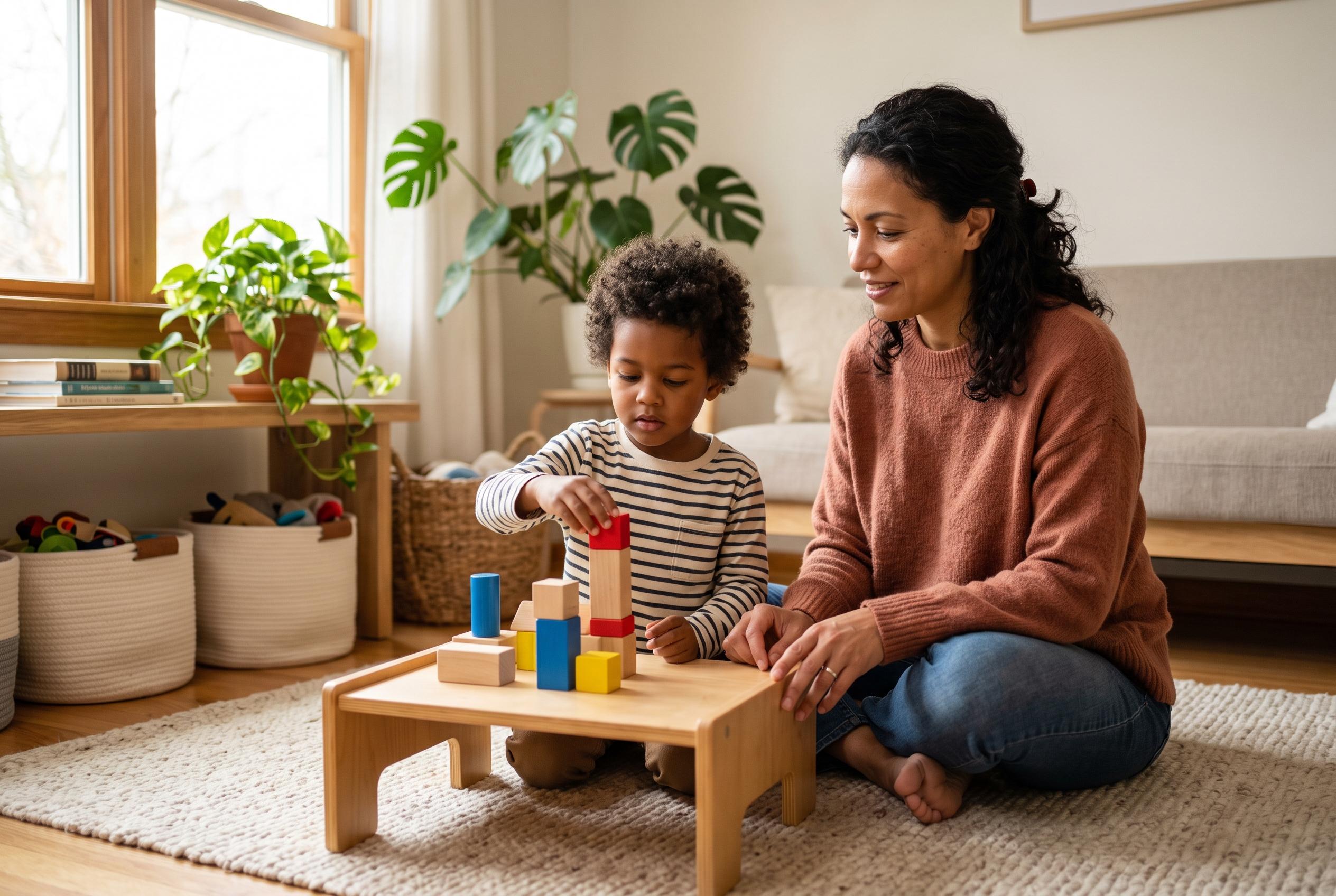
Mundt, a social pedagogue and coordinator with Germany’s bke online advice service, describes concentration as a skill that grows much like a muscle. She says children can start building it through simple games such as stop dance, which train patience, listening and impulse control. According to her advice, parents should look for moments when a child is already focused, then create more of those conditions at home with short, manageable tasks, movement breaks and predictable routines.
Other child-focused guidance points in the same direction. PBS Parents recommends breaking work into small steps, setting reasonable time limits, using planned pauses and limiting distractions, while UCLA Health suggests adding structure early in the school year and reducing screen-time interruptions. Education specialists also emphasise that children concentrate more easily when they are interested and engaged, which is why activities such as memory games, puzzles, crafts and shared reading can be more effective than direct instruction alone.
Mundt argues that families should also pay attention to what does not help. Repeated commands such as “sit still” or “be quiet” can increase pressure rather than improve focus, and a busy background, such as a television left on, can make it harder for children to settle. She says children are more likely to learn calm, patience and persistence when adults model those qualities themselves. For parents who feel unsure, she points to the bke’s free and anonymous online advice service as a place to discuss realistic expectations and age-appropriate support.
Disclaimer: This content is for informational purposes only and is not intended to be a substitute for professional medical judgment, advice, diagnosis, or treatment.