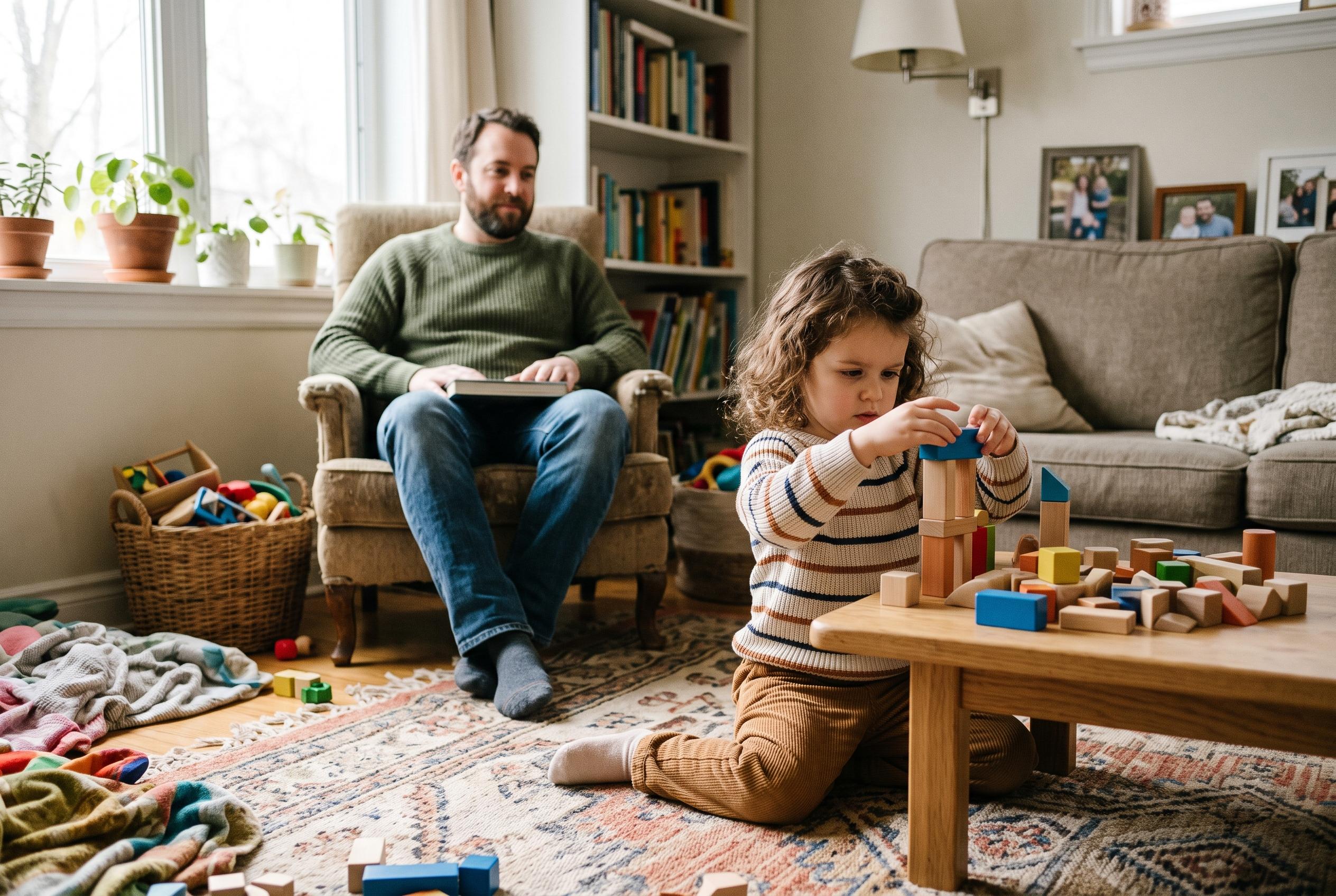

Child-development specialists emphasise that concentration in children develops gradually through play, routines and engagement, not through nagging or formal drills, highlighting new approaches for parents at the start of the school year.
As the new school year begins, parents are often told to prepare children for sitting still, listening and waiting their turn. But Dana Mundt, a social education specialist with the German Association for Educational Counselling, says concentration is not built through repeated nagging. It develops over time, and children learn it best through play, routine and everyday experience. That view is backed by child-development research showing that play helps children build social, emotional, cognitive and physical skills while strengthening resilience.
Mundt says self-regulation – the ability to stay with one task, manage impulses and cope with frustration – is a skill that develops gradually rather than arriving on the first day of school. She compares it to a muscle that grows with practice. Activities such as stop-dance games can help children learn patience and self-control, while predictable routines can make transitions easier and give children a sense of security.
She also stresses that children do not all develop at the same pace. Some find it easier to focus, wait and follow instructions, while others need more time. Rather than trying to force school readiness through formal drills, Mundt recommends building skills in small, manageable steps. Parents can break tasks into simpler parts, add movement or relaxation breaks, and notice when their child is naturally most able to concentrate.
Experts in early learning say that interest matters too. When children are genuinely engaged, they are more likely to sustain attention without feeling pressured. That is why games, reading aloud, baking from a recipe or following simple craft instructions can be so useful. These activities encourage children to listen, remember steps, persist with a task and practise fine motor skills, all while staying relaxed enough to enjoy the process.
Mundt warns that constant reminders such as “Sit down” or “Be quiet and listen” can do more harm than good by creating pressure and frustration. She also advises parents to limit background distractions such as a television left on while a child is trying to concentrate. For families who feel unsure about what is realistic, the bke online counselling service offers free, anonymous support.
Disclaimer: This content is for informational purposes only and is not intended to be a substitute for professional medical judgment, advice, diagnosis, or treatment.