

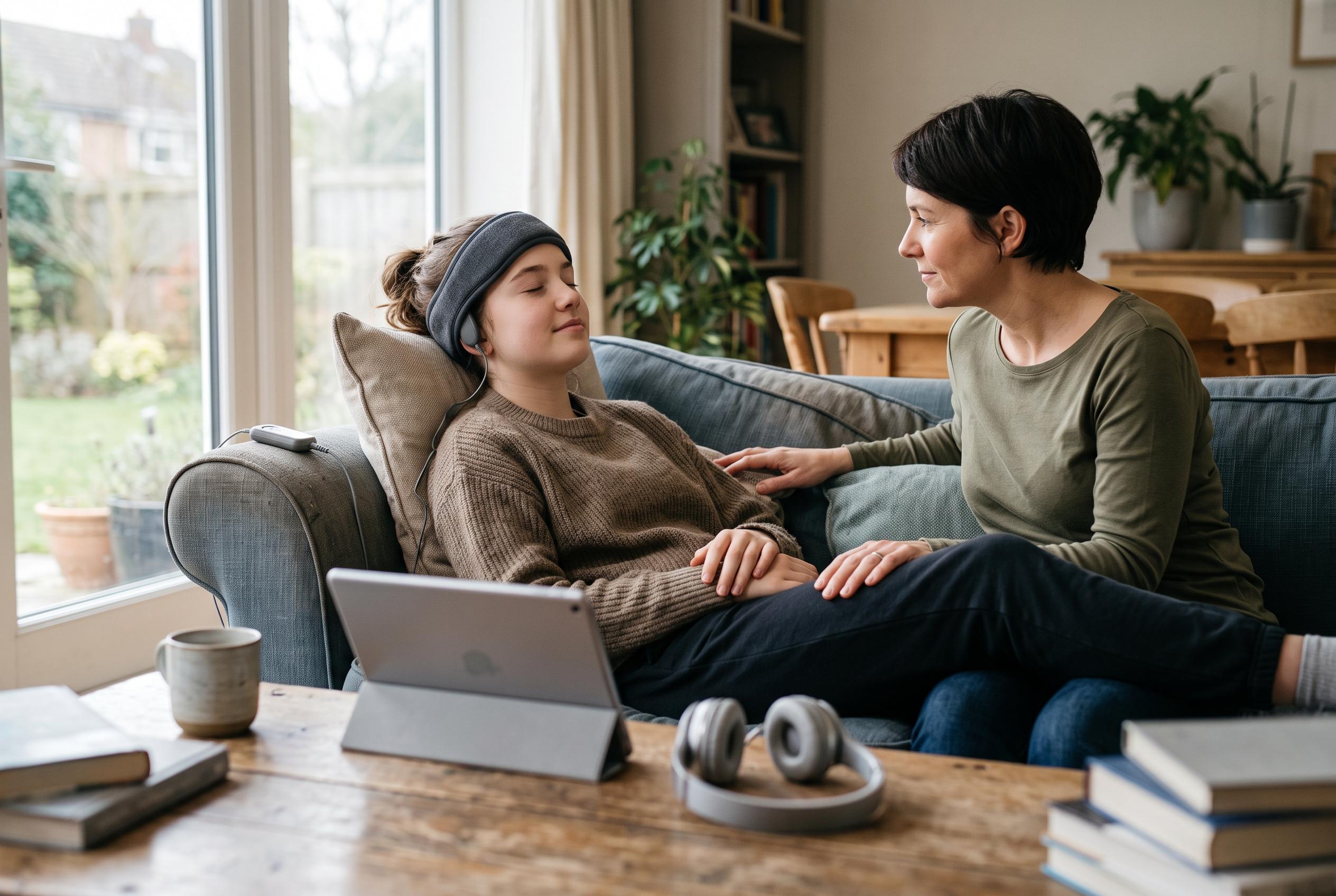

New research highlights biofeedback and relaxation therapies, including digital programmes like Headstrong, as effective non-drug approaches to reduce headache frequency and duration in children and teenagers, offering potential alternatives to medication.
New evidence suggests that several drug-free approaches can help ease headaches in children and teenagers, with biofeedback and relaxation-based therapies emerging as the strongest options for reducing how often attacks occur. A review published in the World Journal of Pediatrics brings together the most detailed comparison yet of non-pharmacological treatments for primary headaches, a group that includes migraine and tension-type headache, which are among the most common neurological problems in young people. The findings are especially relevant for families looking for alternatives to daily preventive medicine. According to Bioengineer.org, the analysis points to behavioural and mind–body treatments as promising tools for paediatric care.
The review was led by Fa-Qiang Zhang and colleagues at Lanzhou University, working with clinicians in Zhengzhou and Lanzhou in China. It pooled results from 16 randomised controlled trials involving 820 children and adolescents and looked at a broad range of interventions, including biofeedback, relaxation training, cognitive behavioural therapy, group-based programmes, headache education, a self-guided Headstrong CD-ROM course, music therapy, hypnotherapy and meditation. The researchers used a network meta-analysis, a method that can compare treatments even when they have not been tested head to head in the same trial, and they assessed the certainty of the evidence with the CINeMA framework. The article notes that the team searched major medical databases through August 1, 2026, and registered the protocol in advance.
When it came to headache frequency, biofeedback performed best overall. The analysis found that it was linked to a meaningful reduction in how often headaches occurred, while therapist-assisted relaxation and relaxation training on its own also showed clear benefits compared with waiting-list controls. Biofeedback teaches children to influence physical processes such as muscle tension and skin temperature by watching feedback from sensors in real time, and the review suggests that this technique remains one of the most convincing non-drug options for prevention. The result fits with earlier evidence, including a 2016 meta-analysis in Pediatrics that also described biofeedback as a promising preventive treatment for migraine in young people.
The most striking result for headache duration came from a self-guided digital programme, Headstrong, which produced the largest benefit in the review for shortening attacks. A combined biofeedback-and-relaxation approach also ranked highly, while relaxation alone again showed a positive effect. That a structured programme delivered without direct therapist contact did so well may matter for families and health systems, because it points to a lower-cost, easier-to-scale option that could reduce pressure on overstretched services. The review also found that headache education, biofeedback, group training, cognitive behavioural therapy and relaxation all helped with pain intensity, with education ranking especially well in that category.
Still, the authors urge caution. Much of the evidence was graded as very low certainty, and the studies were small, varied in design and, in some cases, decades old. The researchers say the rankings should be understood as probabilities rather than proof of one universally superior treatment. Even so, the broader message is consistent with earlier work in children and adolescents: behavioural interventions can help, and in some cases help substantially. For parents weighing options, the practical takeaway is that non-drug treatments deserve serious consideration alongside medical assessment, particularly when headaches are frequent, disruptive or affecting school and daily life.
Disclaimer: This content is for informational purposes only and is not intended to be a substitute for professional medical judgment, advice, diagnosis, or treatment.



