

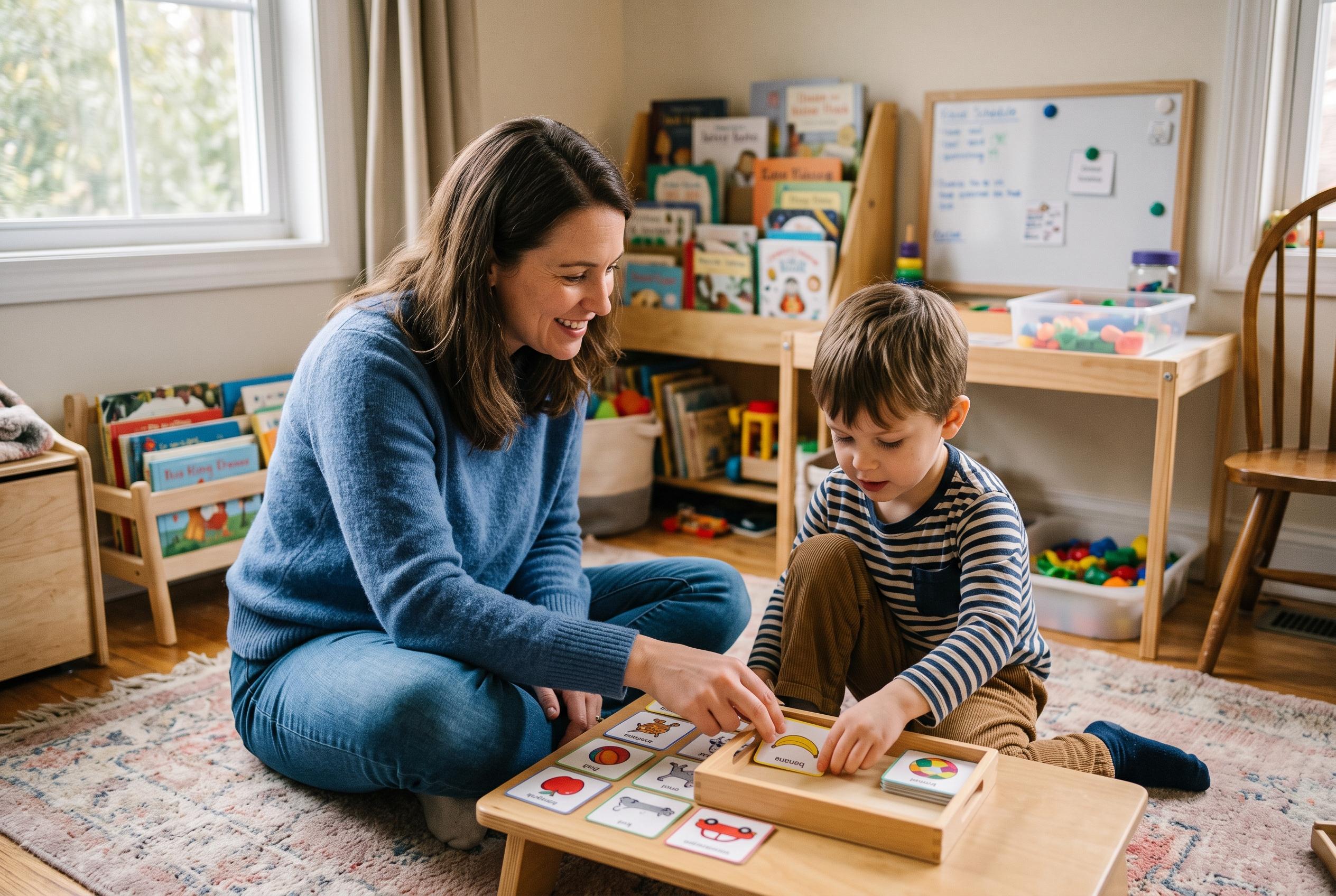

As families face months-long waits for ABA therapy, experts and autism service providers suggest practical steps including joining multiple lists, seeking school and speech support, and building helpful routines at home.
For many parents, the hardest part of an autism diagnosis is not the diagnosis itself but the long stretch before services begin. A family may complete forms, make calls and hear the same answer again and again: the wait for ABA therapy can run into months, sometimes longer. That gap can feel especially frustrating when families have been told that early support matters.
But waiting does not have to mean standing still. ABA, or applied behaviour analysis, is one of the most widely funded autism therapies in the United States, but it is not the only option and it is not the right fit for every child. The approach focuses on building specific skills through structured teaching and reinforcement, and some children make meaningful progress with it, especially in early communication and day-to-day living. At the same time, many autistic adults and advocates have raised serious concerns about older, compliance-heavy versions of the therapy, and the quality of current programmes can vary widely from one provider to another.
That is why parents are often encouraged to use the waitlist period actively. ABA Navigator says the backlog is driven by a mix of rising demand, a shortage of Board Certified Behaviour Analysts and insurance delays. Other providers describe similar pressures, with some families facing waits of several months and, in some areas, much longer. The practical response, according to several autism service resources, is to apply to more than one provider, ask about cancellation lists and keep paperwork ready so treatment can start as soon as a place opens.
There are also other supports that may begin sooner. School districts can assess children for special education services, while early intervention programmes may be available for younger children on a different schedule from private therapy. Speech and occupational therapy can also be useful during the gap, particularly if communication, sensory regulation, dressing, eating or fine motor skills are causing difficulties. Some families also explore play-based, child-led approaches that focus on connection and following a child’s interests rather than on repeated drills.
Home routines can make a difference too. Simple visual schedules, predictable transitions and clear language are low-cost tools that many parents find helpful. Keeping a notebook on what is difficult, when problems occur and what seems to help can also make later therapy more effective, because providers get a clearer picture of a child’s needs. And for families who want to do something more structured while they wait, parent-training resources can offer a way to learn basic teaching strategies in advance.
Autisable points readers towards one such option, Journey to Independence: ABA for Parents, a Special Learning programme priced at $129. The site says it is intended for parents who are waiting for ABA services and want to use that time to learn the basics. As with any paid programme, families still need to judge whether it fits their child’s needs and whether it complements, rather than replaces, guidance from a qualified clinician.
Disclaimer: This content is for informational purposes only and is not intended to be a substitute for professional medical judgment, advice, diagnosis, or treatment.



