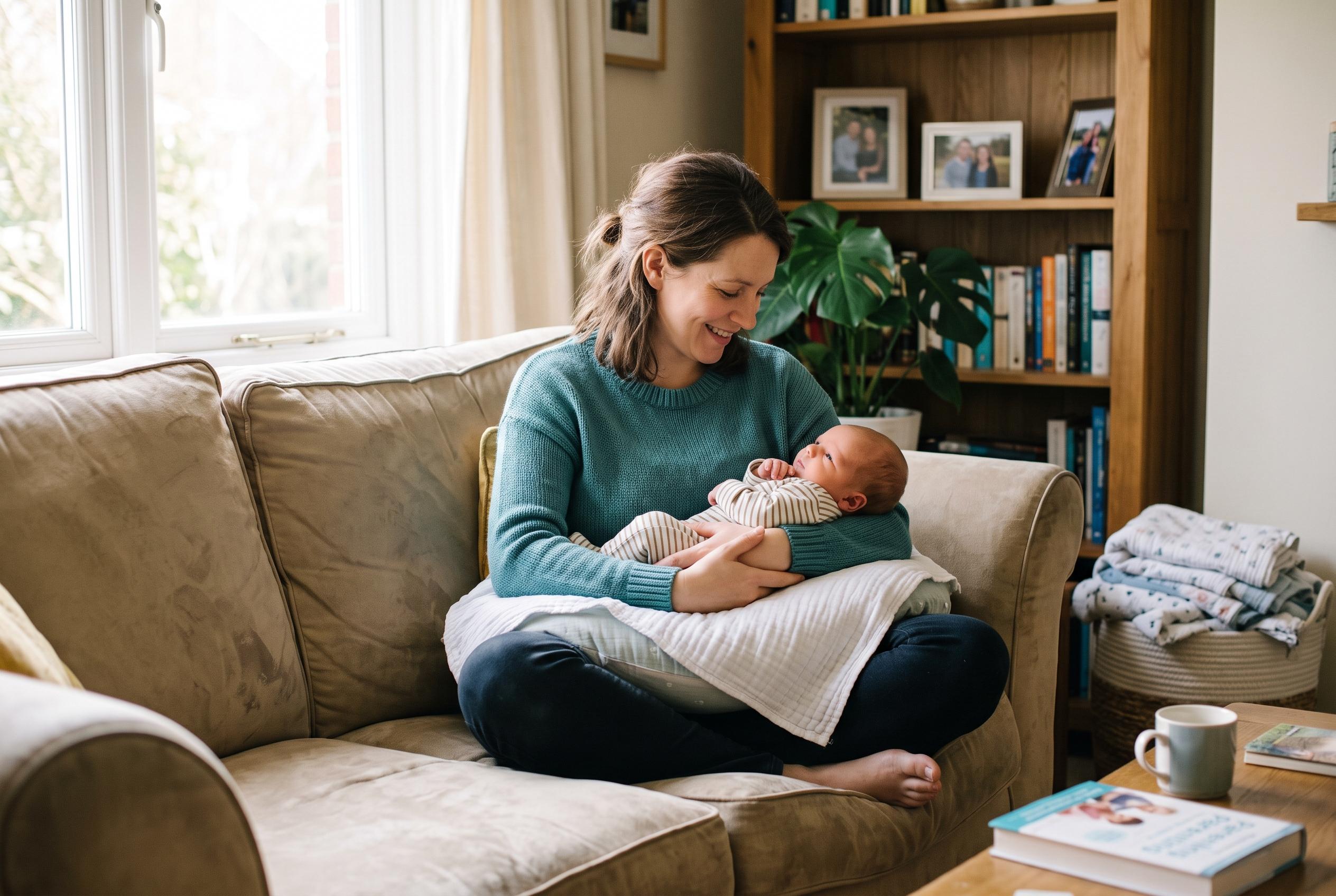

A Monash University study suggests that managing depression during pregnancy may not only benefit mothers but also decrease the likelihood of anxiety disorders in children, highlighting the importance of support and treatment options for expectant mothers.
A new Australian study is adding weight to the idea that treating depression during pregnancy may do more than help the mother: it may also lower the chances of anxiety problems in children later on. The Monash University research, published in Psychoneuroendocrinology, followed 149 pregnant women with depression and their children until age 8, comparing outcomes for those who stayed on antidepressants with those who stopped taking them.
The findings suggest that untreated depression in pregnancy was linked with roughly twice the odds of a child developing an anxiety disorder by age 4. The study also found that maternal treatment was associated with lower depression and anxiety in children at age 4, and in girls at age 8. For boys, the strongest predictor of anxiety disorder appeared to be whether the mother was currently depressed.
The researchers also tracked stress markers, including cortisol in the placenta, the mother’s hair after birth and the child’s saliva at age 1. Those measures appeared to help predict later anxiety, but mainly in girls, suggesting that boys and girls may follow different developmental pathways. Professor Megan Galbally, who led the work, said the results were still preliminary, but they add to evidence that helping mothers manage depression and anxiety during pregnancy can improve outcomes for children too.
That broader view is echoed in other recent research. A meta-analysis of psychological treatments for maternal depression found benefits not only for mothers but also for parenting, mother-child interaction and child mental health. A separate trial of brief cognitive behavioural therapy during pregnancy reported reductions in maternal anxiety and some positive infant outcomes, while a 2024 randomised study found that anxiety-focused CBT delivered by non-specialists could help prevent postnatal depression. Another study of a tech-enabled collaborative care programme in Massachusetts suggested telehealth coaching, therapy and medication support can improve treatment for perinatal depression and anxiety.
For women like April Wilson and Emily Henderson, the research offers reassurance, even if it does not offer certainty. Wilson stayed on medication for anxiety during pregnancy and says the study gives her hope that her daughter’s future is not fixed. Henderson, who chose not to take medication while pregnant, said she struggled badly after giving birth and only sought help after her husband urged her to call a psychologist. Perinatal Anxiety & Depression Australia chief executive Julie Borninkhof said women should not blame themselves for difficult periods, adding that treatment at any stage can alter the path for both parent and child.
Disclaimer: This content is for informational purposes only and is not intended to be a substitute for professional medical judgment, advice, diagnosis, or treatment.