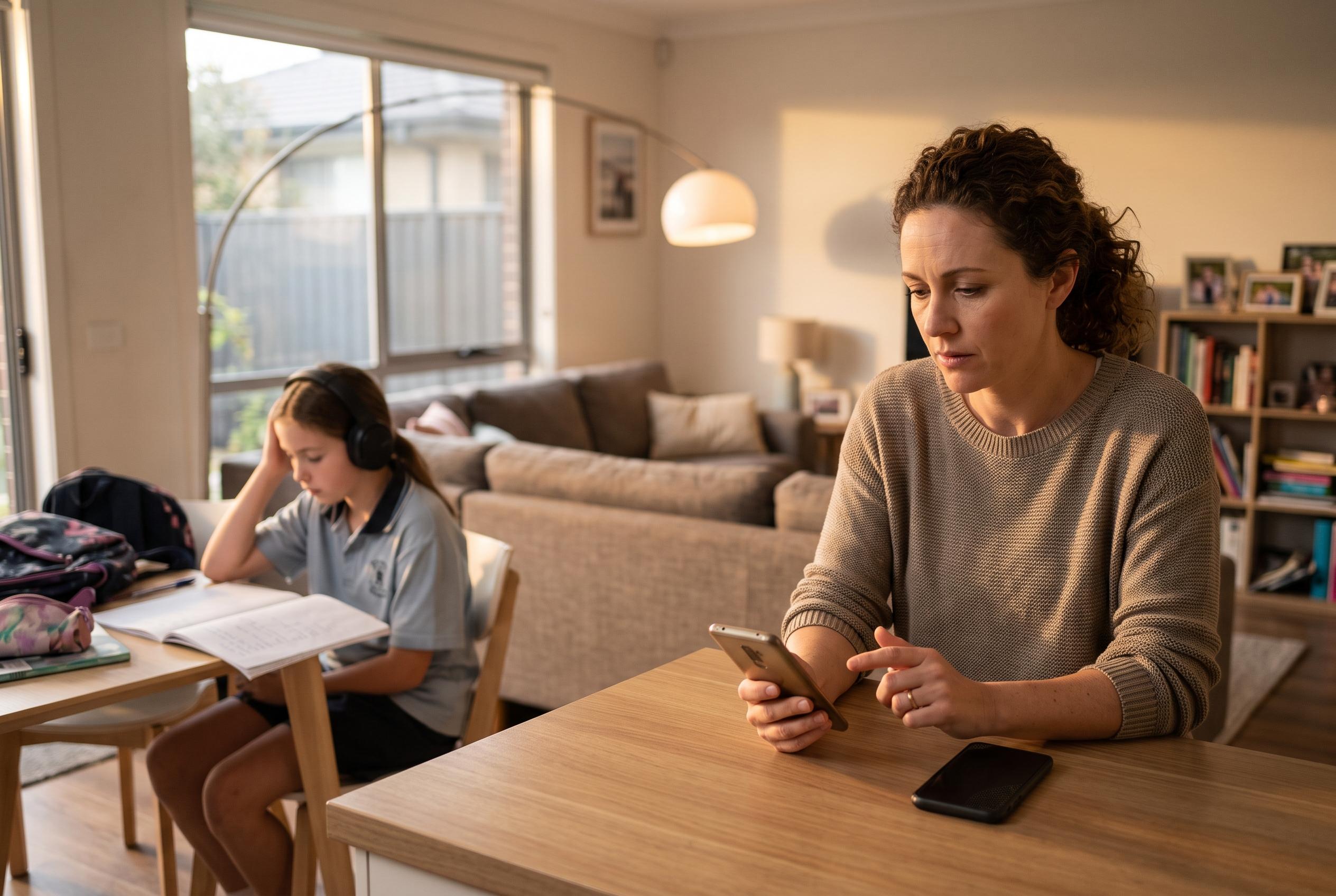

A new study from the University of Adelaide highlights the subtle signs of online grooming, urging parents to be alert to early, seemingly harmless interactions that may lead to exploitation among children aged 10 to 17 in Australia.
Australian parents are being urged to talk to children about the earliest signs of online grooming, after new research suggested that predatory behaviour can begin with messages that look ordinary rather than alarming. A study from the University of Adelaide found that many children aged 10 to 17 had encountered suspicious online contact, prompting researchers to warn that the first steps can be easy to miss.
The university’s snapshot study, which looked at the experiences of around 300 Australian children, was not designed to produce a nationally representative estimate. Even so, the findings point to a troubling pattern: children were often approached with questions about their lives, their routines and how closely their online activity was monitored. According to the published research, 66% of children received grooming-related communication from strangers online, while 31% received solicitation-related communication. Those figures do not mean every child was being actively targeted for abuse, but they do underline how common risky contact can be.
Lead researcher Katie Logos said many interactions can appear friendly at first, which makes them harder for children to identify as a threat. Messages that ask where a child goes to school, whether parents check their phone or whether they can move to another app may seem harmless in isolation. Researchers said the danger lies in the pattern: trust-building, secrecy, attempts to gather personal information and, in some cases, pressure to share images or meet in person. The study found that around one in five children reported being asked by someone they knew only online to send photos or videos of themselves or to meet face to face.
The research echoes advice from the eSafety Commissioner, which says grooming often starts with seemingly innocent contact and can involve personal questions or efforts to build rapport. Victorian government guidance defines online grooming as the use of electronic communication by an adult to lower a child’s inhibitions or heighten curiosity about sex, often as part of a move towards an in-person meeting. The Australian Institute of Criminology has likewise warned that social networking sites can be used to cultivate relationships with children before exploitation occurs.
Researchers say the practical response is not to frighten children about every online interaction, but to give them clear markers for when to pause. That includes recognising requests for personal details, repeated demands for photos, attempts to keep conversations secret, pressure to move to private messaging and any message that leaves them feeling uneasy, confused or obliged to reply. Children should know they can stop responding, block or restrict an account and tell a trusted adult without fear of losing access to their device. Privacy settings, parental oversight and age-appropriate platforms still matter, the researchers said, but they may not stop every unwanted approach. The broader lesson, they added, is that online safety education needs to cover not only obvious sexual requests, but also the quieter, earlier tactics that can make grooming harder to spot.
Disclaimer: This content is for informational purposes only and is not intended to be a substitute for professional medical judgment, advice, diagnosis, or treatment.