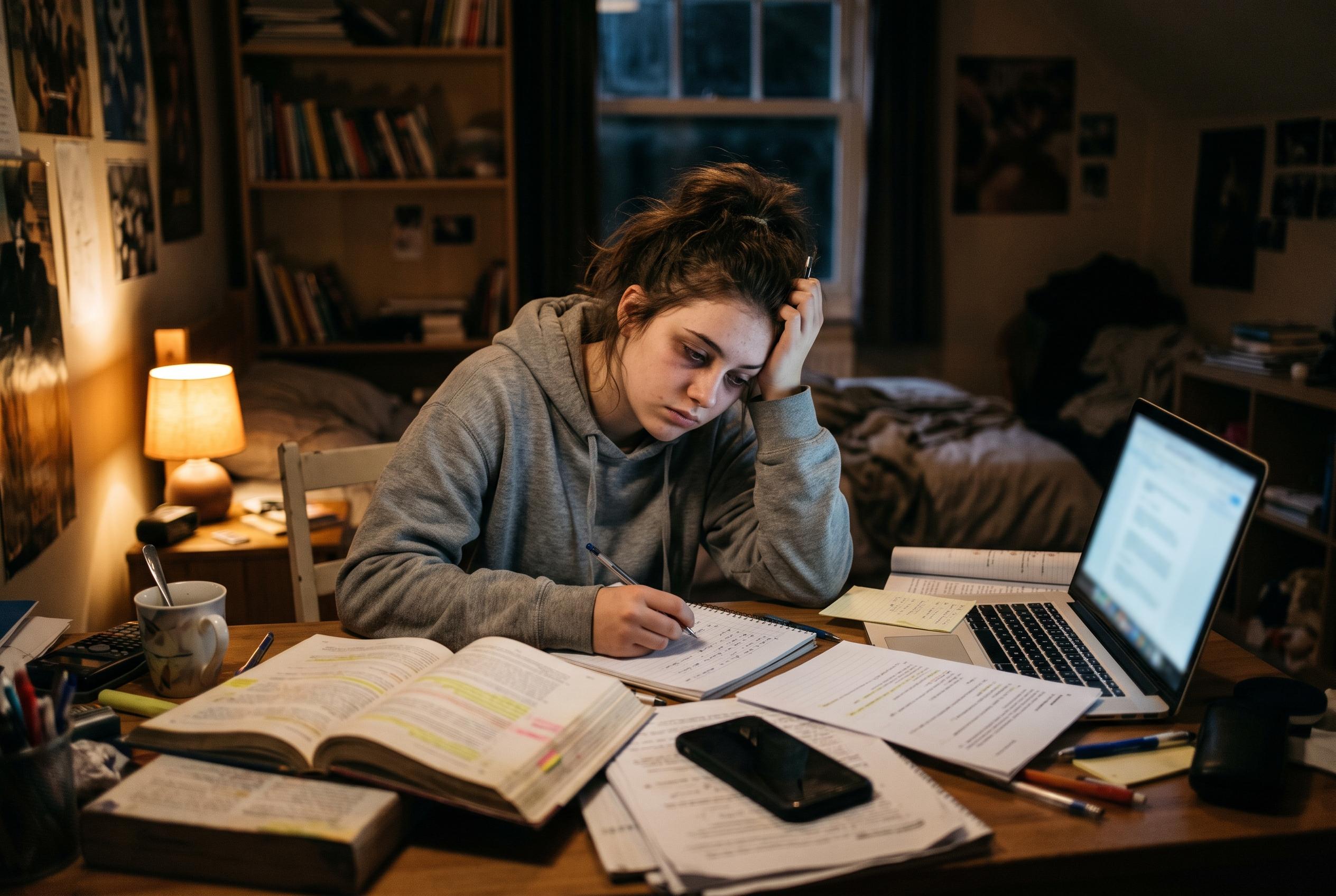

As the new school term begins, experts highlight the importance of prioritising teenagers’ sleep amid busy schedules and technology distractions, emphasising how adequate rest can boost academic performance and well-being.
As the new school term begins, many parents concentrate on timetables, homework and after-school clubs. Yet sleep is often the hidden factor that determines whether teenagers can cope with the demands of the day.
Most adolescents need eight to 10 hours of sleep a night, according to the Sleep Foundation and Cleveland Clinic, but early starts, packed schedules and late-night screen use often make that hard to achieve. Sleep Education says families should work backwards from the time a teenager has to wake up for school, rather than assuming they can simply fit sleep in after everything else is done.
The warning signs are not always obvious. A teen who is hard to rouse in the morning, repeatedly hits snooze or needs constant reminders may be carrying a weekday sleep debt. So may a teenager whose mood has shifted, becoming more irritable, impatient or sensitive, which Cleveland Clinic notes can happen when sleep is short or poor in quality. Sleep Education also points to a familiar pattern: a young person who seems exhausted but still stays up late.
The effects can show up in the classroom too. The Sleep Foundation says sleep loss can affect concentration, memory and problem-solving, while Cleveland Clinic links it to poorer school performance and wider health concerns. Another clue is weekend sleep-ins. Sleeping much later on Saturdays and Sundays can mean a teenager is trying to recover from an ongoing lack of rest during the week.
Technology often makes the problem worse. Social media, texting, streaming and gaming can all delay bedtime, and notifications can interrupt sleep after lights-out. Sleep Education recommends simple limits such as charging devices outside the bedroom, turning off alerts overnight and setting a screen-free period before bed. It also suggests easing back into term-time routines gradually, by moving bedtime and wake-up times earlier in small steps rather than in one sudden change.
For families, the key is to treat sleep as part of school readiness, not an optional extra. A realistic routine starts with the number of hours a teenager actually needs, then builds everything else around it. That approach can help young people arrive at school more alert, more focused and better able to manage the year ahead.
Disclaimer: This content is for informational purposes only and is not intended to be a substitute for professional medical judgment, advice, diagnosis, or treatment.