

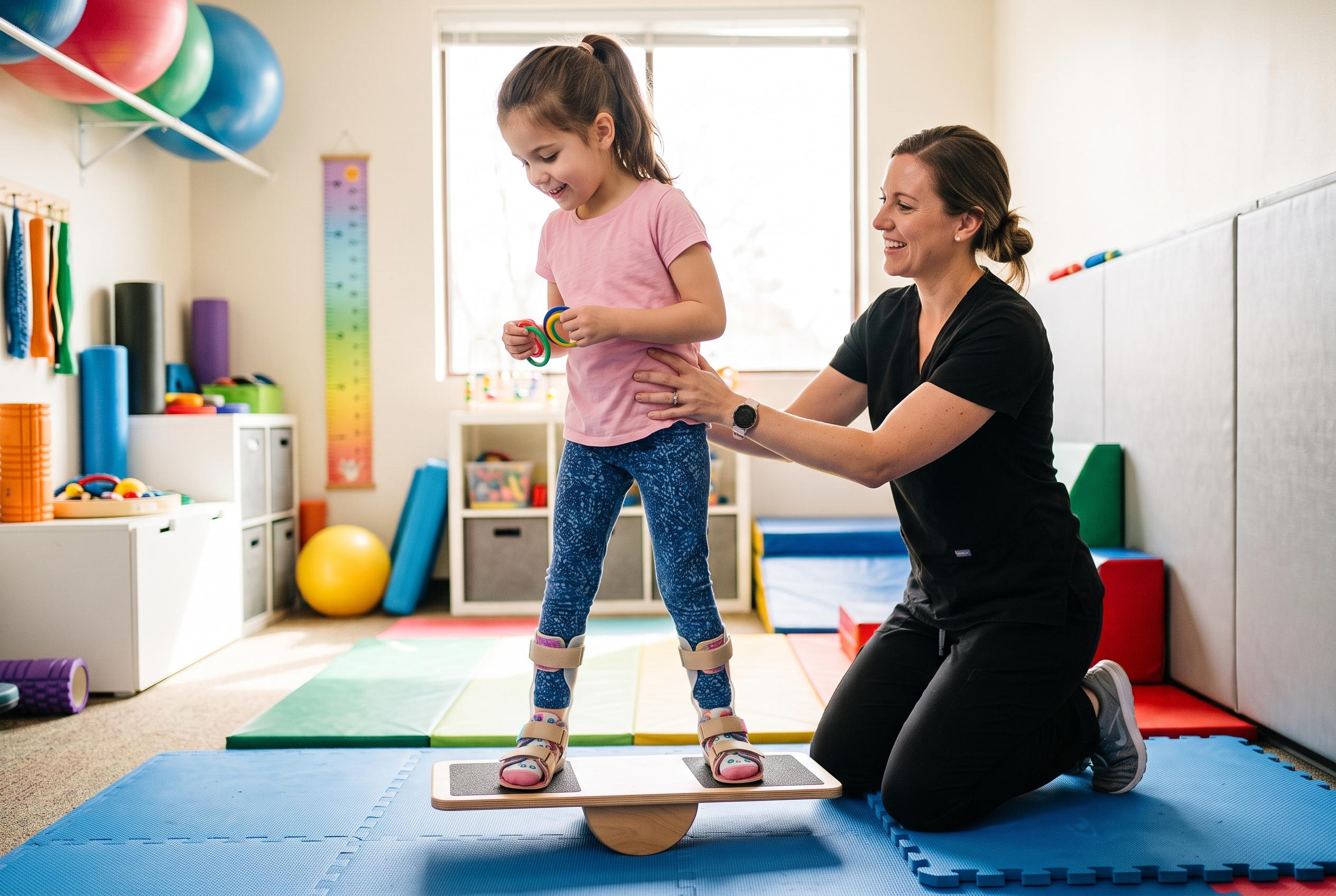

A synthesis of 26 randomised controlled trials suggests exercise-based therapy improves motor outcomes in children with cerebral palsy, with the strongest evidence for balance and postural control.
Children with cerebral palsy often face a daily struggle to control movement, maintain balance and move confidently through ordinary tasks. A new synthesis of rehabilitation research adds weight to the idea that active therapy can make a meaningful difference. The analysis, published in BMC Pediatrics, combined findings from 26 randomised controlled trials and found that exercise-based rehabilitation was linked with better overall motor outcomes in children and adolescents with the condition.
The review focused on active interventions, meaning therapies that ask the child to generate movement rather than receive passive treatment. That distinction matters in cerebral palsy, where balance, gait and postural control can all be affected, but not in the same way for every child. According to the study, the researchers searched major medical databases, followed PRISMA reporting standards and used a three-level meta-analytic model to handle outcomes that were measured more than once within the same trial. The approach allowed them to preserve 58 effect sizes without treating closely related results as if they were independent findings.
The headline result was encouraging. Across all of the trials and outcome measures, active rehabilitation produced a significant overall benefit, with the strongest signals appearing in balance and postural stability. Balance-focused outcomes showed a clear improvement, while measures of postural control were also positive. Walking outcomes were included in the wider analysis, but they were less consistent when examined separately, which suggests that gains in stability may emerge more reliably than changes in gait speed or endurance.
That pattern fits with earlier research. PubMed summaries of other reviews have found that therapeutic exercise programmes can improve balance and gait in children with unilateral cerebral palsy, while combined balance training and other active interventions may strengthen postural control more than single approaches alone. Individual trials have pointed in the same direction. A treadmill-based study examined static and functional balance, while newer work has tested virtual reality and video game-style training for balance and lower-limb function in children and teenagers with different cerebral palsy subtypes.
The new review also helps explain why clinicians have been interested in active, task-based rehabilitation for so long. Balance training appears particularly promising when postural control is the target, and the latest synthesis suggests it may deliver the largest average benefit among the interventions examined. Even so, the evidence does not yet show that one form of active therapy is universally best. The review found that differences between intervention types were not statistically clear enough to support firm ranking, and the response to treatment may vary by age, diagnosis and the specific movement problem being addressed.
For families, the practical message is hopeful but measured: active rehabilitation seems to help, especially when therapy is designed around balance and stability. For therapists, the findings support continued use of structured, goal-directed exercise programmes as part of individual treatment plans. For researchers, the study underscores the need for more trials that compare approaches directly and test which children benefit most. In a field where small improvements can have a large effect on daily independence, that extra clarity could matter as much as the therapies themselves.
Disclaimer: This content is for informational purposes only and is not intended to be a substitute for professional medical judgment, advice, diagnosis, or treatment.



