

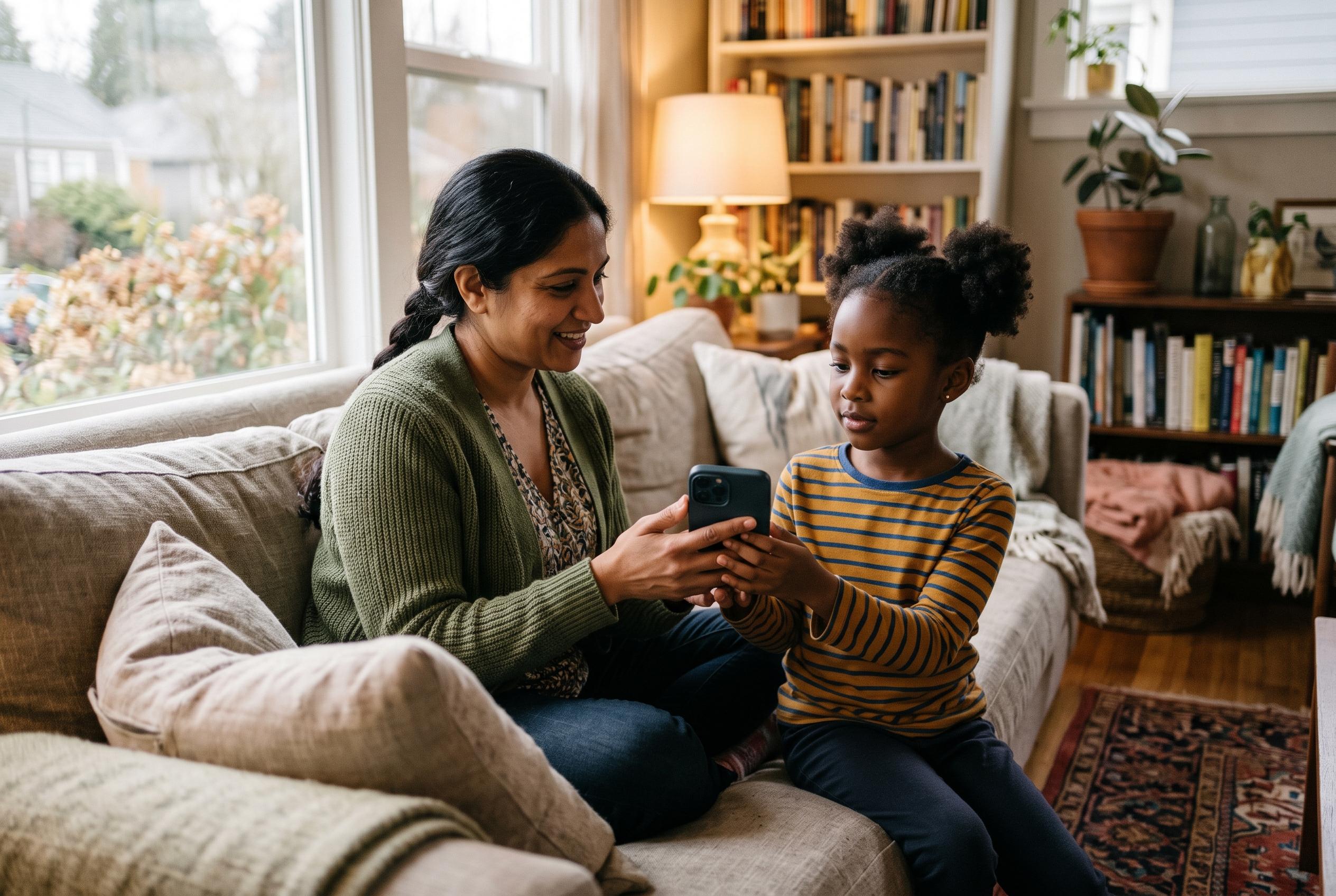

Smartphones can improve children’s safety, communication and access to schoolwork, but experts warn that parents must weigh risks including poor sleep, cyberbullying and excessive screen use.
Parents weighing whether to hand a child a smartphone are often balancing two competing realities: the device can offer practical reassurance, but it can also open the door to distractions and harm. The Cleveland Clinic says the decision should hinge on a child’s maturity, the family’s needs and whether clear boundaries can be set from the outset. In practice, that means looking beyond age alone and asking whether the child is ready to use the phone responsibly.
For many families, the appeal is easy to understand. A smartphone can make it simpler for children to reach parents in an emergency, and it can help parents keep track of where a child is and, in some cases, how safely they are travelling. The Cleveland Clinic notes that phones can also make day-to-day coordination easier, while the American Academy of Pediatrics says they can support communication and help families stay connected when schedules change unexpectedly.
There is also a clear educational argument. Homework, school notices and teacher messages increasingly arrive by text or email, and smartphones can help children manage those demands more easily. Scientific American has noted that phones can support social connection and access to information, which can be especially useful as children grow older and begin handling more responsibilities on their own.
But the concerns are substantial. Excessive screen use can displace sleep, physical activity and face-to-face conversation, and the American Academy of Pediatrics has warned that heavy smartphone use can contribute to sedentary habits and weaken in-person interaction. The Cleveland Clinic also points to the risks of inappropriate content, dependency and poor sleep, while Scientific American has reported research linking early smartphone use with greater anxiety and depression in some children. Other dangers include cyberbullying and sexting, both of which can follow a child home and into private spaces.
Parents also need to think about how a phone changes the atmosphere at home. The more time children spend on devices, the easier it becomes for family life to revolve around screens rather than people. That is why experts repeatedly stress limits, monitoring and open discussion. The best approach is usually not to ask whether smartphones are good or bad in the abstract, but whether a child is ready for one, what rules will apply and whether adults are prepared to enforce them consistently.
Disclaimer: This content is for informational purposes only and is not intended to be a substitute for professional medical judgment, advice, diagnosis, or treatment.



