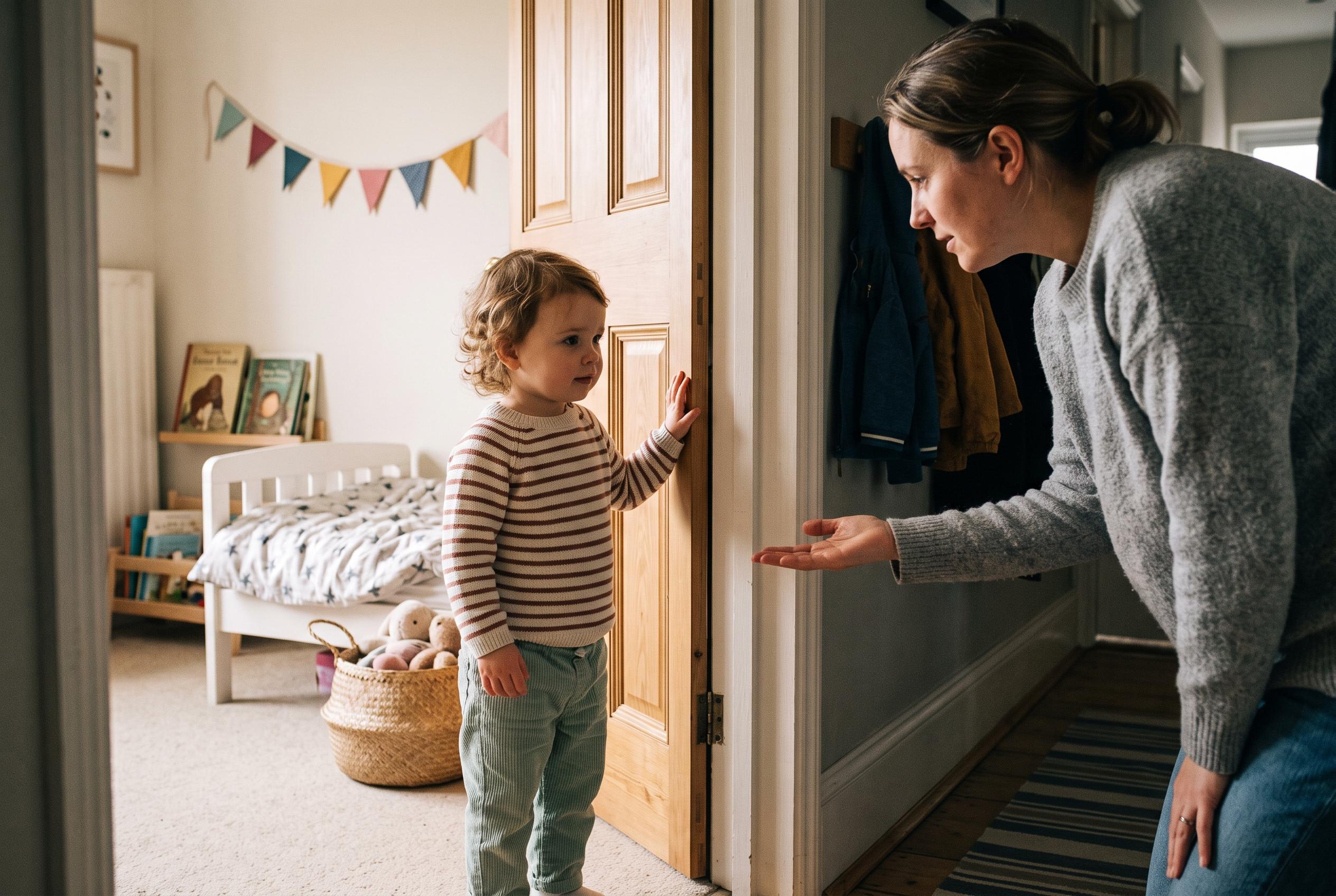

Experts warn that while separation anxiety is a normal developmental stage in early childhood, persistent or intense symptoms can disrupt family life and need early support. Guidance emphasizes predictable routines, honest communication, and professional help when necessary to manage the condition effectively.
For many families, the first sign is not a dramatic scene at the nursery gate but a pattern: a child who cannot settle at bedtime, complains of stomach aches before school, or needs constant proof that a parent will come back. Specialists say some distress at being apart is built into early development, but anxiety that grows stronger, lasts longer or starts to dominate everyday life is a different matter.
UNICEF describes separation anxiety as something “seen with many children”, particularly in the period from about 6 months to 3 years, when babies and toddlers are still learning that a parent who leaves the room has not vanished for good. The NHS gives similar age guidance and says clinginess, tears and protests at parting are a normal part of growing up in those early years. For parents, that distinction matters: not every upset goodbye is a warning sign, and brief absences do not make someone a bad parent.
The picture can be broader than tears at drop-off. The American Academy of Child and Adolescent Psychiatry says otherwise healthy children from about 8 months through the preschool years may show intense distress when apart from a close adult, but warning signs can also include nightmares, refusal to sleep alone, panic at the idea of sleeping away from home and frequent physical complaints. The group notes that anxious children are not always disruptive; some are quiet, eager to please and easy to overlook. It also points to a familiar pattern in older children: stomach aches and dread on Sunday nights and Monday mornings, when school separation looms.
What turns a common stage into a problem is persistence and spillover. The Child Mind Institute says some children’s worries “mushroom far beyond the moment of separation”, becoming “more rather than less pervasive” as they get older. Instead of settling once a parent has gone, a child may spend the day checking in, sending repeated texts or making phone calls for reassurance. Modern technology can make that worse rather than better: if a parent misses a call or loses signal, an anxious child may take the silence as confirmation that something is wrong.
Night-time can be just as revealing as the school run. HealthyChildren.org says separation anxiety often begins in the second half of a baby’s first year and can bring weeks or months of disrupted sleep. A child who had been sleeping through may start waking several times and crying for one parent in particular. The same source says this phase often eases around the second birthday, which is reassuring for parents of infants and toddlers, but it also underlines how heavily separation worries can shape family life long before formal schooling begins.
Across the guidance, the practical advice is strikingly consistent. Parents are urged to make departures predictable, brief and honest. HealthyChildren.org recommends matter-of-fact explanations, even for very short absences, and offers “I’ll be right back” as a simple script children may eventually repeat themselves. UNICEF similarly encourages families not to feel guilty about leaving for a short time and says children need chances to learn that they can cope without a parent constantly beside them. Long, emotional farewells and slipping away unnoticed may bring short-term relief for the adult, but experts say they can deepen a child’s sense that separation is unsafe.
The NHS says concern is warranted when anxiety is very strong, getting worse or interfering with daily activities. That can mean school avoidance, poor concentration, angry outbursts, bedwetting, eating problems or a marked loss of confidence. Cleveland Clinic adds a more clinical threshold: for children, symptoms would usually need to last at least four weeks and cause real distress or impairment before a diagnosis of separation anxiety disorder is considered. The clinic also makes an important distinction for families from close-knit cultures: strong family interdependence is not, by itself, evidence of a disorder.
When extra help is needed, clinicians generally start with talking treatments rather than medication. Cleveland Clinic says cognitive behavioural therapy is the first-line approach, helping children test fearful thoughts and build coping skills. Assessment may involve interviews with both the child and parent or carer, sometimes backed by questionnaires. In more severe cases, the clinic says doctors may also consider SSRIs for children aged 6 and over. The academy’s family guidance argues that spotting the problem early matters, because anxiety left untreated can become harder to shift as children grow older.
The reassuring part for parents is that separation anxiety is often both understandable and manageable. For a toddler, it may be a passing developmental phase linked to learning that goodbyes are temporary. For a school-age child, especially one whose fear begins to control sleep, friendships or attendance, it may need a more structured response. Either way, the message from paediatric and mental health experts is not to chase a perfect, tear-free goodbye, but to build confidence steadily, set calm routines and seek support before fear starts organising the household.
Disclaimer: This content is for informational purposes only and is not intended to be a substitute for professional medical judgment, advice, diagnosis, or treatment.