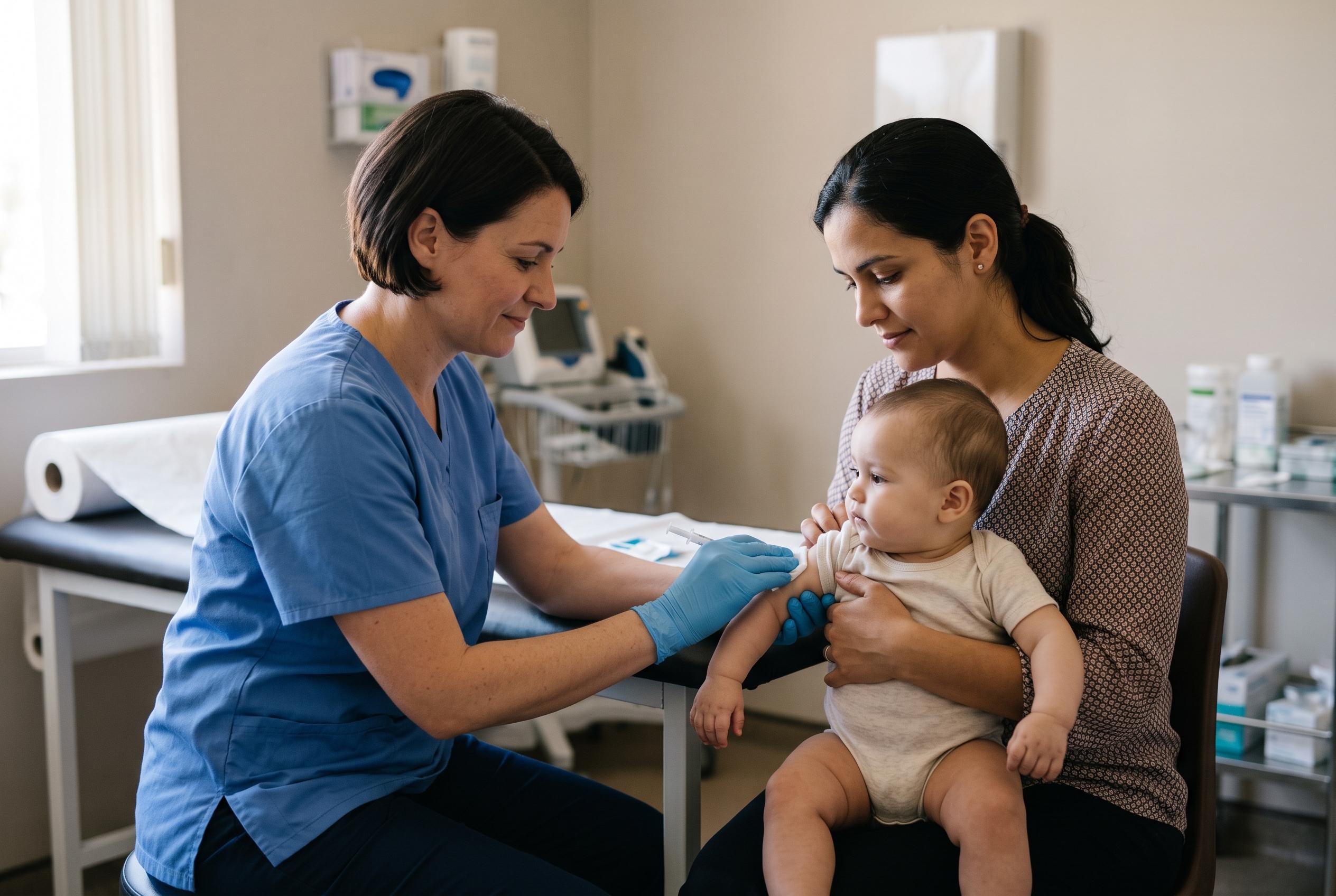

A groundbreaking analysis across 22 countries demonstrates that rotavirus vaccines not only prevent severe diarrhoea but also significantly lower child mortality, offering new hope in combating the virus’s deadly toll in low- and middle-income nations.
A new multinational analysis suggests that rotavirus vaccination is doing more than preventing severe stomach bugs: it is also sharply reducing deaths from the virus in countries where child diarrhoea remains a major killer.
Researchers pooling data from 22 countries found that children who had received at least one dose of rotavirus vaccine were 75.8% less likely to die from rotavirus-positive acute gastroenteritis than unvaccinated children. The study, published in The Lancet Child & Adolescent Health, involved 27,252 children under five and is being described as the first to estimate the vaccine’s effect specifically against rotavirus-related death.
The result matters most in low- and middle-income countries, where rotavirus still accounts for a sizeable share of child diarrhoea deaths. According to the World Health Organization, existing vaccine schedules have shown clear benefits in preventing severe illness, but earlier reviews found little or no difference in all-cause mortality, underscoring how difficult it can be to measure vaccine impact when many pathogens cause similar symptoms. The new analysis narrows the question to rotavirus-positive deaths, where the benefit is much clearer.
That distinction is important because the estimate is based on only 25 rotavirus-positive deaths, compared with 183 deaths from acute gastroenteritis overall. The study was observational and drew on pooled surveillance and case-control data rather than a single randomised trial, so the mortality figure should be seen as a best estimate rather than a precise threshold. Even so, experts writing in an accompanying commentary called it the strongest multinational evidence yet that rotavirus vaccines reduce deaths in high-burden settings.
For parents, especially in the United States, the message is less about immediate risk and more about the value of staying on schedule. Routine infant vaccination has already made severe rotavirus disease far less common in the United States, but the virus still circulates globally, and travel can expose infants who are too young to be fully protected. The oral vaccine series begins at 2 months, and the first dose must be given before 15 weeks of age, with the series completed before 8 months. Doctors also stress that parents should watch for dehydration signs such as fewer wet nappies, a dry mouth, sunken eyes and unusual sleepiness, and seek urgent care if a baby cannot keep fluids down.
Disclaimer: This content is for informational purposes only and is not intended to be a substitute for professional medical judgment, advice, diagnosis, or treatment.