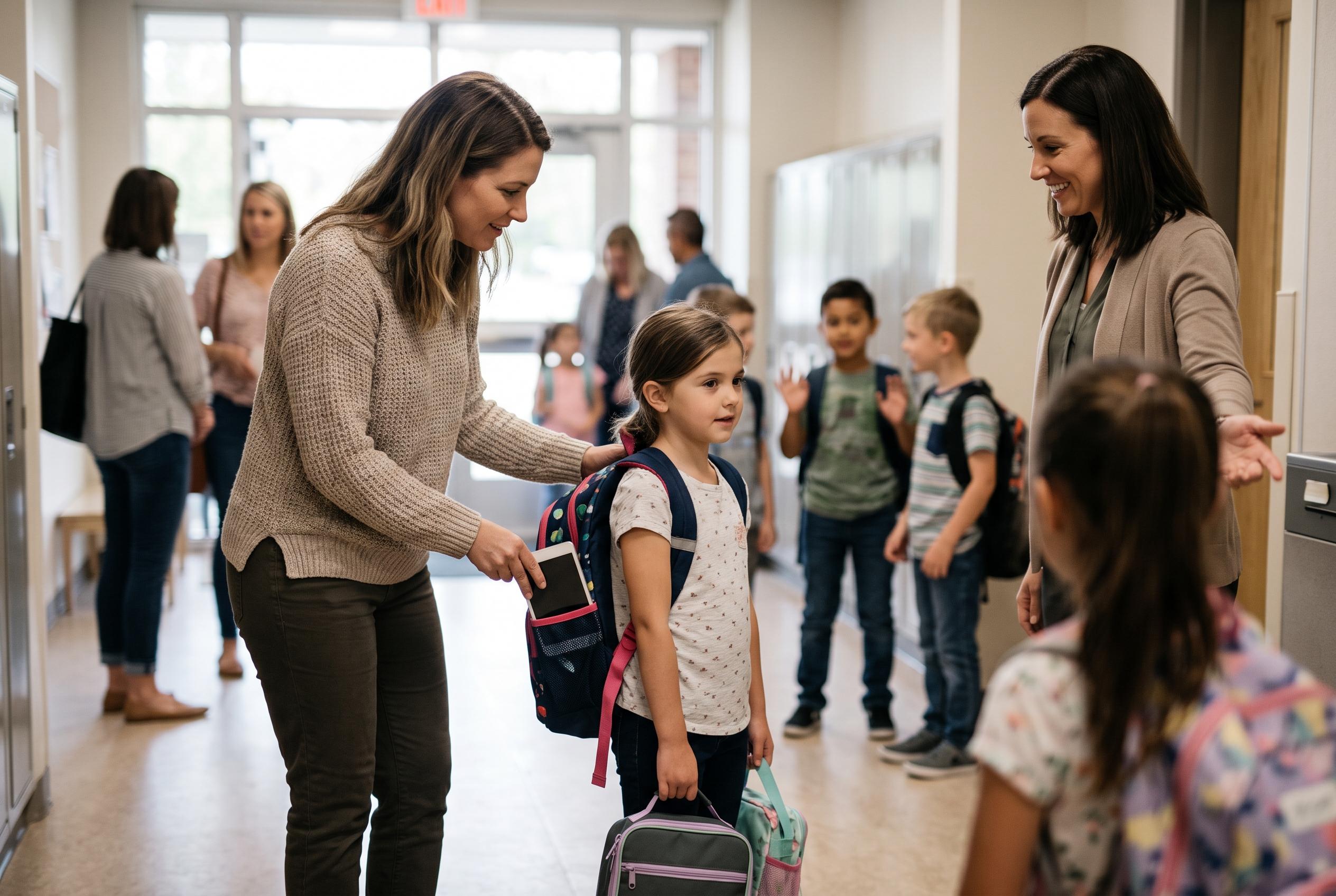

Experts recommend strategies such as early social opportunities, shared interests, and balanced use of technology to support children adjusting to a new school environment, emphasising that even one supportive relationship can significantly boost a child’s confidence and wellbeing.
Starting at a new school can unsettle even confident children. There are unfamiliar hallways, new routines and the basic social questions that can loom large: who to sit with, who to talk to at lunch and where to find a place to belong. For some children, the anxiety is brief. For others, the adjustment can shape how they feel about school for weeks or months.
Experts say parents can help most by creating chances for connection before and after the first day. That can mean arranging playdates, going along to birthday parties and finding out which activities draw other children together. Dr Asha Barber Sutton, a licensed marriage and family therapist and associate dean of academic affairs at National University in San Diego, told The Associated Press that parents have a strong early influence over children’s friendships because they shape the settings where those relationships begin.
The next step is to let children practise friendship on their own terms. Advice from the Cleveland Clinic and other parenting guides suggests that adults should help children think about the qualities they value in others, such as kindness, honesty and comfort, rather than trying to manage every interaction. Role-playing at home, talking through awkward moments and encouraging simple conversation starters can give children more confidence without taking over the process.
For many children, the easiest way in is through shared interests. Joining a club, sport, theatre group or other activity can give them a ready-made reason to talk and a familiar face to look for each day. In The Associated Press article, teenagers described how theatre, baseball and debate helped them settle in, while a simple compliment opened the door to one young child’s first friendship. Children often need only one low-pressure moment to get a conversation going.
Parents are also being urged to think carefully about phones and screens. Too much device use can make it harder for children to notice each other or strike up a conversation, but experts caution against turning technology into a social punishment. The better goal is balance: encouraging face-to-face contact while using digital tools to keep friendships alive when families move or children change schools. Above all, experts say, a child does not need a large circle to feel secure. One trusted friend, or even one supportive adult, can make a real difference to well-being, attendance and learning.
Disclaimer: This content is for informational purposes only and is not intended to be a substitute for professional medical judgment, advice, diagnosis, or treatment.