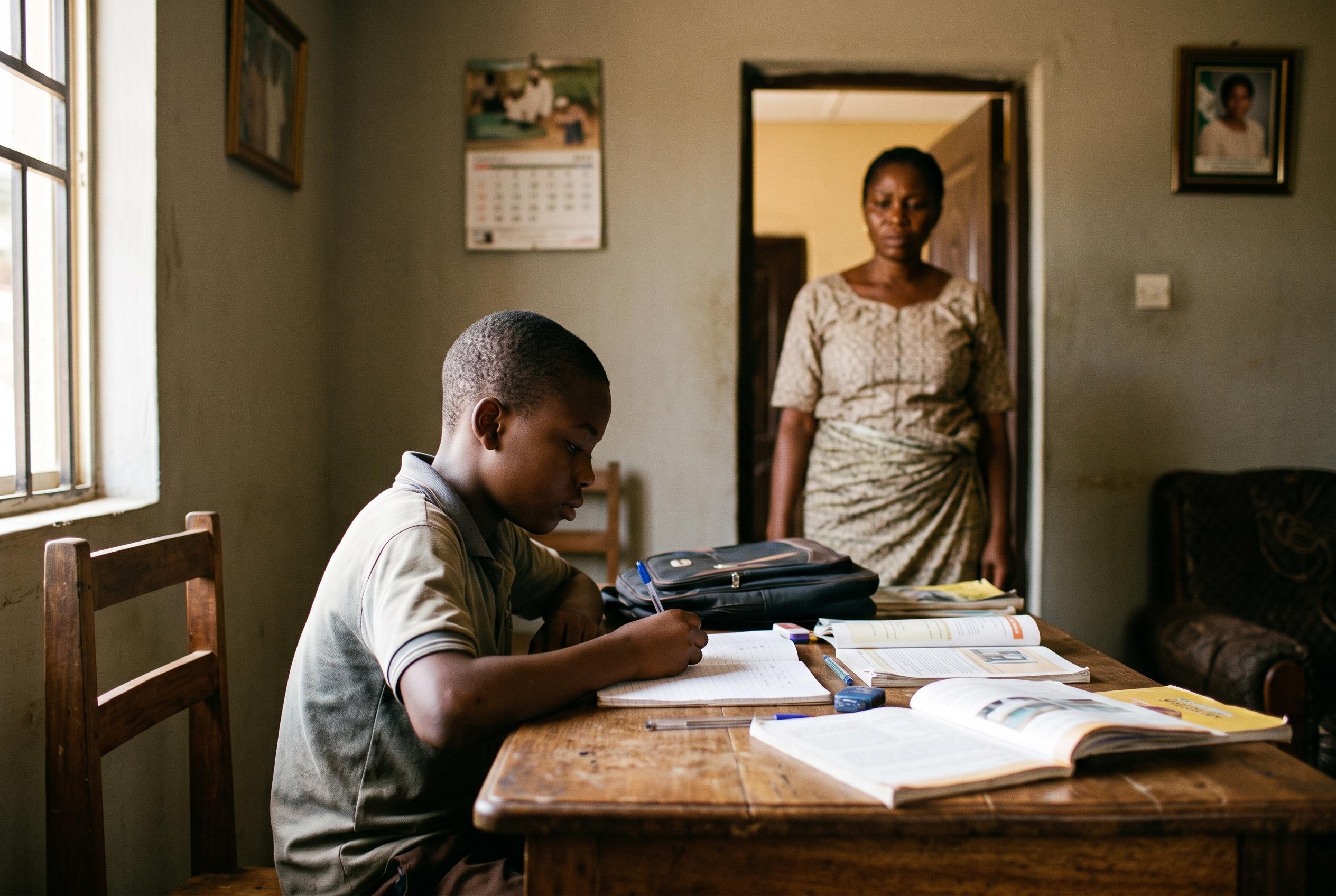

In Nigerian homes, the accolade of being the ‘smart child’ often comes with mounting academic and familial expectations, leading to emotional strain and a need to redefine success beyond grades.
In many Nigerian homes, being the “smart child” begins as praise and can end as a burden. Parents boast, teachers single out the pupil and relatives expect top results every time exams come around. What starts as encouragement can slowly turn into a role a child feels obliged to defend.
That shift matters because, as the lead article notes, a child who is constantly cast as the clever one can begin to treat every setback as a threat to identity rather than a normal part of learning. Psychologist Carol Dweck’s work on mindset helps explain why: when ability is seen as fixed, children may spend more energy protecting an image than building skills. By contrast, children who understand that ability can grow are often more willing to struggle, ask questions and improve.
The pressure is not confined to the classroom. An article on Nigerian parents and academic pressure on Ikeja Bird says high expectations often spill into career choices too, with children pushed towards prestigious professions and left struggling to balance personal interests against family ambitions. That dynamic can make the home feel less like a place of support and more like a test they are always taking.
The Guardian Nigeria has also reported on the strain that family roles can place on children in Nigerian households, whether they are firstborns, last children or girls expected to carry extra responsibility. In that wider context, the “smart child” often becomes the child who is used as evidence that the family is doing well. That can create subtle but powerful pressure, especially when younger siblings are told to follow that example.
The emotional cost can be hidden. A child who normally excels may panic after one poor score, avoid asking questions in class or become anxious about major examinations such as WAEC, NECO, JAMB or university tests. The lead article notes that some children respond with perfectionism, while others retreat from difficult tasks altogether. Either way, the message they absorb is that mistakes are dangerous.
Reports from Udimking and Inquirer Nigeria point to a broader problem in Nigerian parenting culture: too much value is often placed on grades, certificates and public success, sometimes at the expense of character and wellbeing. That is why the answer is not to dismiss ambition, but to widen it. Parents can praise effort, curiosity, resilience and honesty, not just marks. They can let children fail safely, compare less and talk more openly about struggle.
A healthier message is simple: a child can be brilliant and still struggle; hardworking and still fall short; valued and still need help. The smartest homes are not the ones that demand perfection from one child, but the ones that allow every child to learn without fear.
Disclaimer: This content is for informational purposes only and is not intended to be a substitute for professional medical judgment, advice, diagnosis, or treatment.