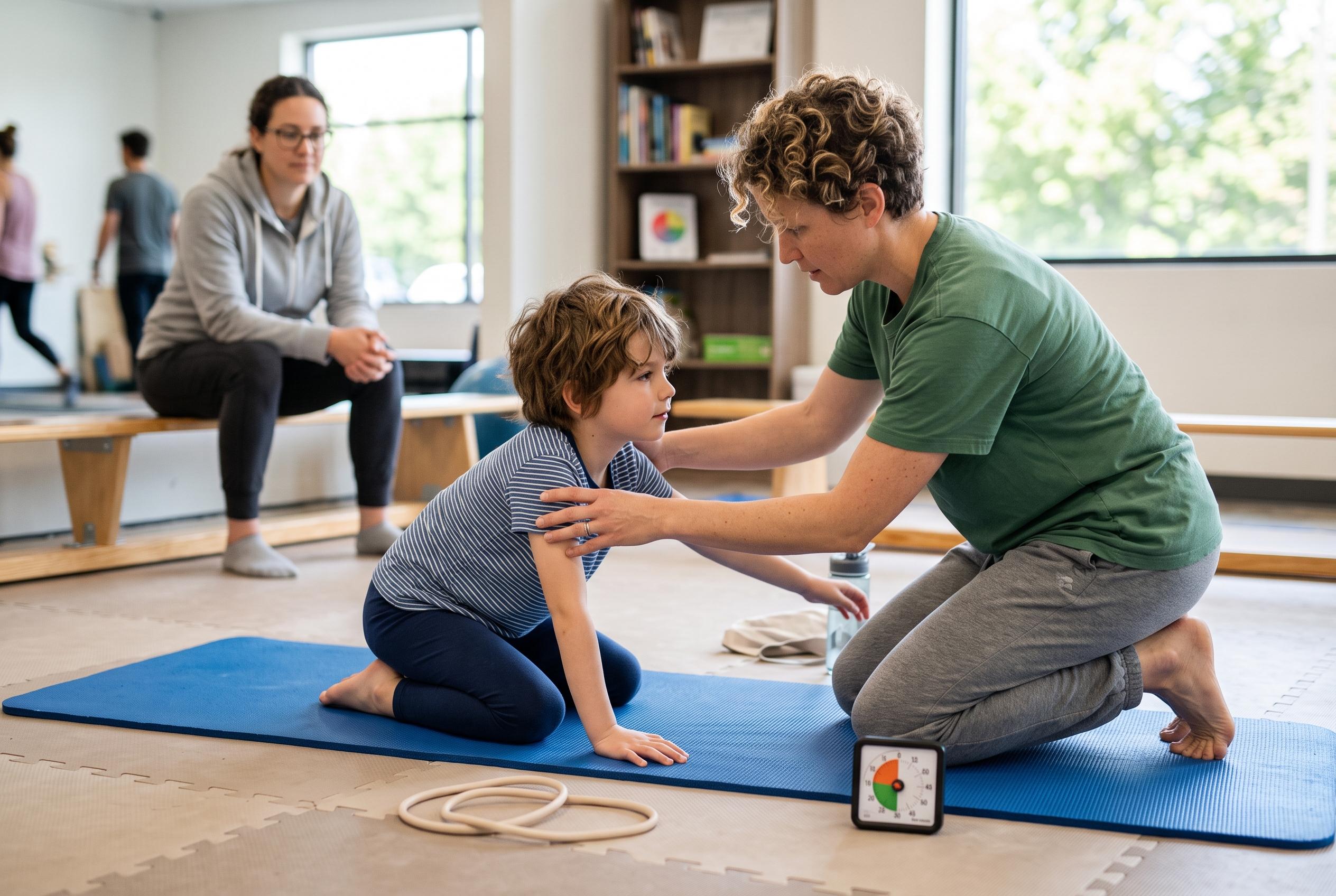

A new study suggests that combining physical activity with psychoeducation and skills training can significantly alleviate anxiety and depression in children with attention-deficit/hyperactivity disorder, highlighting a potential avenue for enhanced family-supported interventions.
A parent-led exercise programme combined with psychoeducation may help ease anxiety and depression in children with attention-deficit/hyperactivity disorder, according to research published in the Journal of Paediatrics and Child Health. In a study of 33 children aged seven to 12, researchers found that an eight-week intervention pairing physical activity with psychoeducation and psychological skills training was associated with notably larger reductions in anxiety and depression than exercise alone. The exercise-only group also improved, but there was no clear gain in social skills in any group.
The findings come against a backdrop of rising concern about ADHD in the United States. Data published in 2024 from the National Survey of Children’s Health suggest that about one in nine children has ever been diagnosed with ADHD, while just over a tenth have current ADHD. Among those children, most have at least one co-occurring disorder, and nearly a third receive no ADHD-specific treatment. That burden matters because ADHD often affects school performance, friendships and family life well beyond the symptoms most people first notice.
The study’s approach builds on earlier evidence that physical activity can help children with ADHD, even if the effects are usually modest. A Cochrane review found exercise may reduce core ADHD symptoms such as inattention and hyperactivity, while a separate review of youth mental health reported small to moderate benefits for cognition, anxiety and depression. More recent analyses have also suggested exercise may improve emotion regulation in children with ADHD, though the overall quality of evidence remains limited and the best dose, intensity and format are still unclear.
What sets the new work apart is the addition of parent participation and psychoeducation. Research has long shown that helping families understand a child’s condition can improve engagement with treatment, and parent involvement is often linked with better outcomes in child therapy and schooling. The authors suggest that combining movement with practical education and skills training may strengthen the benefits of exercise by making it easier for families to carry over routines at home. Even so, the small sample and short follow-up mean the results should be seen as promising rather than definitive.
Disclaimer: This content is for informational purposes only and is not intended to be a substitute for professional medical judgment, advice, diagnosis, or treatment.