
New research highlights how sensory toys and materials are transforming autism evaluations, offering deeper insights into children’s communication, attention, and self-regulation beyond traditional checklists.
Sensory toys are playing a growing role in autism assessments, offering clinicians a fuller picture of a child’s communication, attention and self-regulation than standard checklists alone, according to a report from Research Snipers and material drawn from clinical and educational sources. The approach is closely associated with Marilyn Monteiro, who developed the MIGDAS-2 assessment framework after finding that sensory materials could reveal strengths and differences that conventional testing often missed.
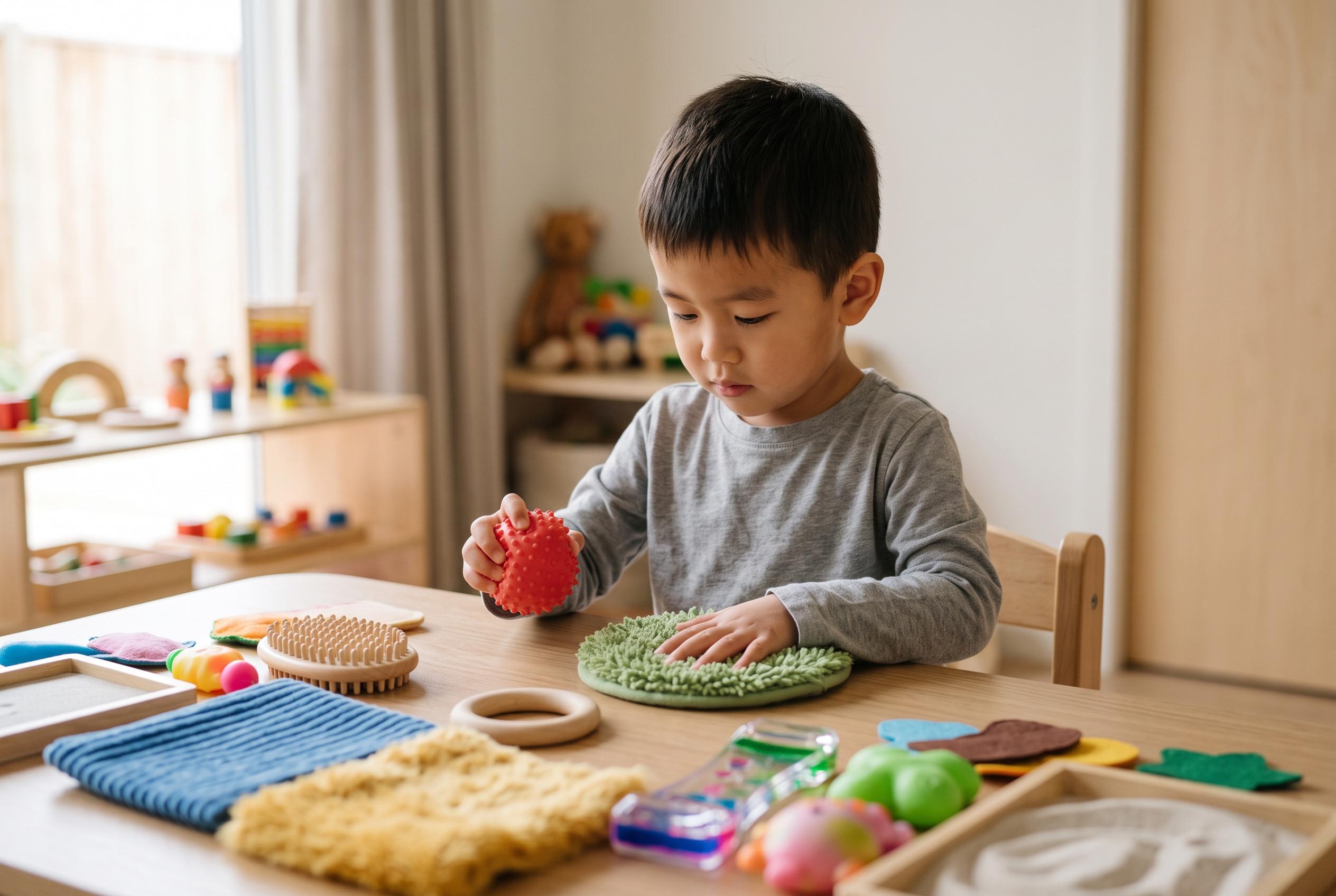
The method uses what Monteiro describes as “sensory conversation starters” to help draw out information about how a child communicates, plays and responds to the environment. Rather than relying solely on questions and rating scales, evaluators may offer noisemakers, tactile toys, visual cause-and-effect items, science-based objects or alternatives such as figurines and photos tied to a child’s interests. The aim is to observe not only what the child says, but how they organise thinking, react to sensory input and engage socially.
Related clinical summaries also suggest that sensory toys can ease anxiety, improve focus and support fine motor development. Dr Sensory and other specialist sources note that items such as fidget toys, weighted blankets, vibrating toys and water play can help children regulate overwhelming feelings while making it easier to participate in therapy or assessment. Studies cited in the source material also point to stronger engagement when movement-based or multi-sensory toys are used, especially when a child’s individual sensory profile is taken into account.
The case for sensory materials is strongest when they are used as part of a broader evaluation rather than as a substitute for it. The US Centers for Disease Control and Prevention has said a comprehensive autism assessment should examine how a child plays, learns, communicates, behaves and moves. Used that way, sensory toys can help create a calmer setting, reveal practical differences in behaviour and support a more individual diagnosis.
Disclaimer: This content is for informational purposes only and is not intended to be a substitute for professional medical judgment, advice, diagnosis, or treatment.