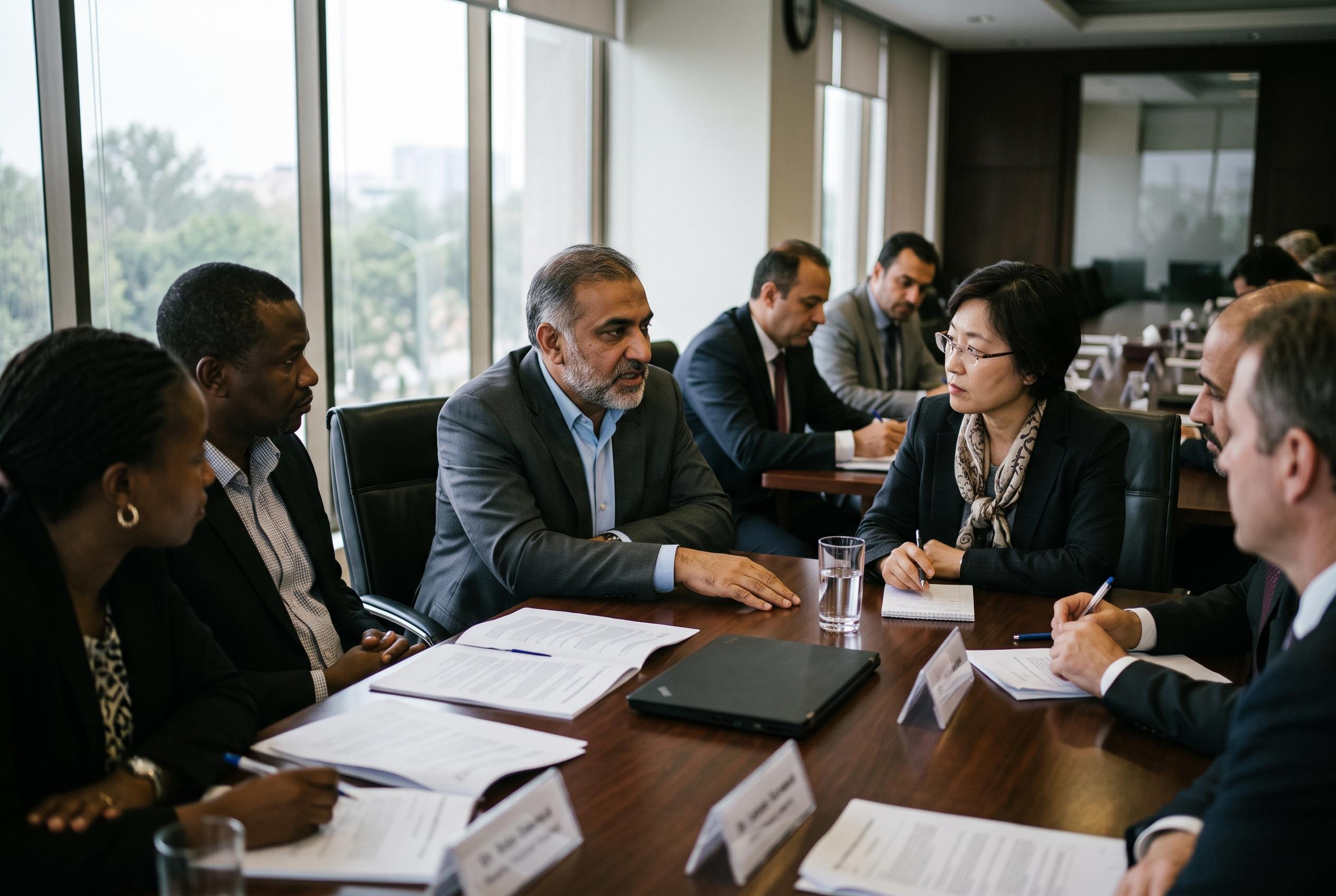

Experts at an international conference in Islamabad urge Pakistan to treat food and nutritional security as fundamental rights, highlighting the urgent need for a coordinated, well-funded response to its worsening malnutrition crisis.
Pakistan’s worsening malnutrition crisis is increasingly being framed not just as a health problem, but as a matter of rights, economics and governance. At a two-day international conference in Islamabad, experts urged authorities to recognise food and nutritional security as fundamental rights, arguing that the country’s stubborn stunting rates and wider nutrition gap amount to a national emergency that can no longer be treated as a side issue. According to figures cited at the event, more than four in 10 children under five are stunted, and malnutrition is costing the economy nearly $17 billion a year.
The conference repeatedly returned to one central message: nutrition cannot be fixed through the health sector alone. Speakers pointed to poor diets, weak healthcare, unsafe water, poor sanitation, poverty and climate pressures as overlapping causes, and said Pakistan needs a coordinated response across health, water, sanitation, education, social protection and finance. World Bank official Basharat Saeed said planners must better understand how water, sanitation and hygiene conditions drive exposure to disease, while WaterAid’s Mian Muhammad Junaid argued that a child cannot thrive if the surrounding environment keeps making them ill.
Funding was another major theme. Contributors from government and development agencies said nutrition programmes remain under-resourced and too often treated as routine spending rather than long-term investment. Adnan Pasha Siddiqui, an adviser to the finance minister, argued that nutrition should be classified as capital expenditure so its economic returns are properly reflected, while other speakers said policies frequently exist only on paper because implementation is fragmented. The conference also heard that social protection schemes such as the Benazir Income Support Programme can help improve nutrition outcomes if they are better integrated with health and community services.
Political leaders and technical experts alike pressed for stronger public messaging, clearer national coordination and a more consistent narrative around family planning, maternal health and child feeding. Information Minister Attaullah Tarar said public awareness campaigns should give families practical steps rather than simply repeat the scale of the problem, and argued that fathers as well as mothers must share responsibility for a child’s nutrition. Planning Commission member Shabana Haider called for a single national narrative that can unite government, donors and the private sector. By the end of the forum, the message was clear: Pakistan’s nutrition crisis is not only about food, but about whether the state can turn fragmented concern into sustained action.
Disclaimer: This content is for informational purposes only and is not intended to be a substitute for professional medical judgment, advice, diagnosis, or treatment.