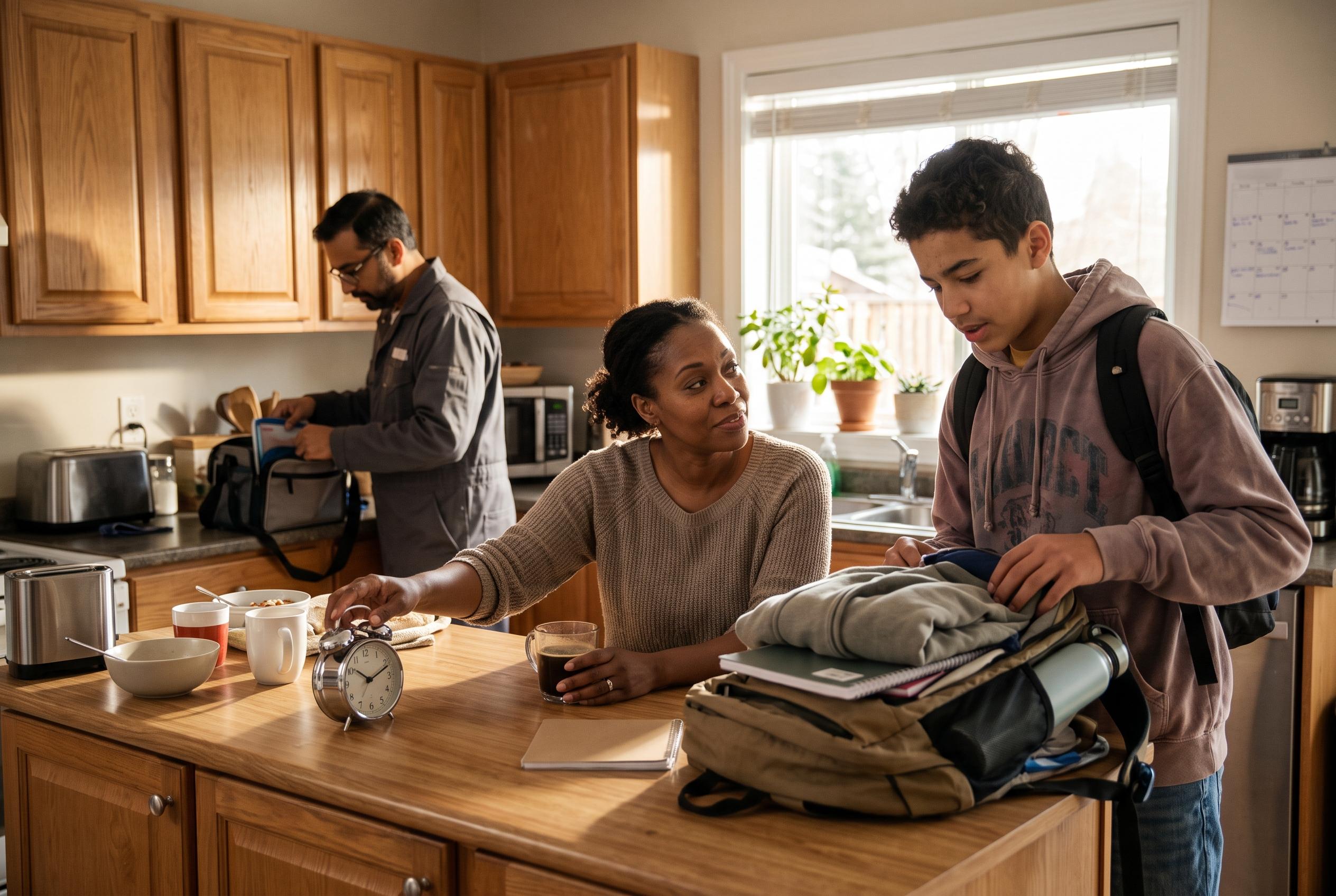

Research shows later school start times can benefit adolescents’ sleep and mood, but balancing these benefits with family and extracurricular commitments is essential for effective education reform.
Not every extra hour in school translates into better learning. For some children, the bigger gain may come from a timetable that leaves them with more energy, more family time and more room to play, read and rest. The argument for shorter or better-balanced school days is not that education matters less, but that children learn in more places than a classroom.
That broader view is reflected in research on school start times. The Sleep Foundation says later starts can improve sleep, mood and academic performance, while early starts are linked with too little rest, irritability and weaker grades. A study from the University of Minnesota on a change in Fairfax County, Virginia, found that delaying high school start times by 50 minutes was associated with less low mood, less drowsy driving and fewer skipped breakfasts. The same research found that moving middle school starts earlier by 30 minutes did not produce significant benefits, suggesting that timing changes matter most when they align with adolescents’ sleep needs.
At the same time, the evidence also points to trade-offs. Brookings has noted that later starts can help attention, memory and alertness, but they can also push difficulties elsewhere in the system, particularly for younger pupils if older students are given priority. Rutgers research on standardising school start times has examined the knock-on effects for households that provide transport, while more recent work has considered how later starts can affect after-school sport, extracurricular activities and parents’ working schedules. In other words, a later bell may help children rest, but it can also reshape family routines.
That is why the case for shorter or better-designed school days is strongest when it is tied to quality rather than simply duration. A child who leaves school with enough time and energy to spend with family, pursue a hobby, exercise or read may be better served than one whose day is filled to exhaustion. The measure of success, as this view suggests, should not be how long a child is kept in class, but whether education leaves room for health, balance and childhood itself.
Disclaimer: This content is for informational purposes only and is not intended to be a substitute for professional medical judgment, advice, diagnosis, or treatment.