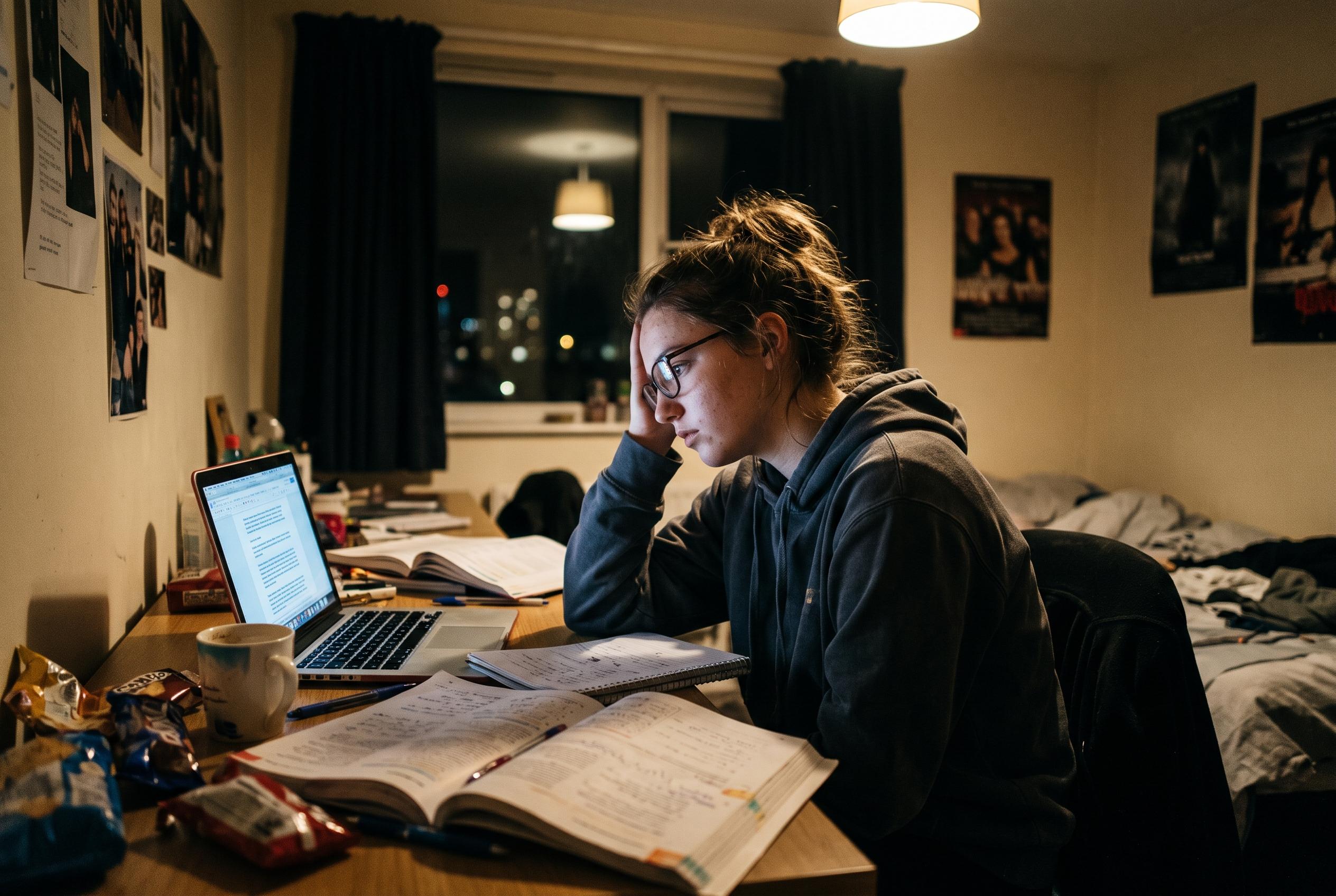

Research from the University of Southampton reveals that teens who experience irregular sleep schedules are more prone to anxiety, highlighting the need for supporting structured sleep routines and reconsidering school start times.
Researchers at the University of Southampton have found that teenagers who drift between weekday and weekend sleep patterns may be more likely to experience anxiety, adding to growing concern about the mental health effects of irregular rest. The work, published in Sleep Medicine Reviews, examined evidence on so-called “social jet lag” and suggests that even modest gaps between school-night and weekend sleep can matter.
The review combined 12 studies involving more than 230,000 people, with an additional six studies considered in narrative form. Across that evidence base, the researchers found a small but consistent link between greater social jet lag and higher anxiety levels. They also pointed to adolescence as a period when the body clock naturally shifts later, meaning many teenagers are biologically inclined to fall asleep and wake up later than school timetables allow.
Dr Sarah Chellappa said teenagers often face early starts and online social demands that cut into sleep during the week, then try to recover at weekends by lying in. That pattern, she said, can deepen the mismatch between weekday and weekend schedules. Lead author Dr Hannah Ravenhall said the findings underline the value of regular bedtimes and wake times throughout the week, while also suggesting that schools and wider systems should do more to support teenage sleep.
The study also fits with wider concern about youth mental health in England. In a report published in June, Children’s Commissioner Rachel de Souza said anxiety was the leading reason for mental health referrals, and that more than one million children were either in treatment or waiting for help, roughly one in 10 children. The Southampton researchers argue that sleep should be part of that conversation, especially as secondary school start times may be working against teenagers’ natural sleep rhythms.
Disclaimer: This content is for informational purposes only and is not intended to be a substitute for professional medical judgment, advice, diagnosis, or treatment.