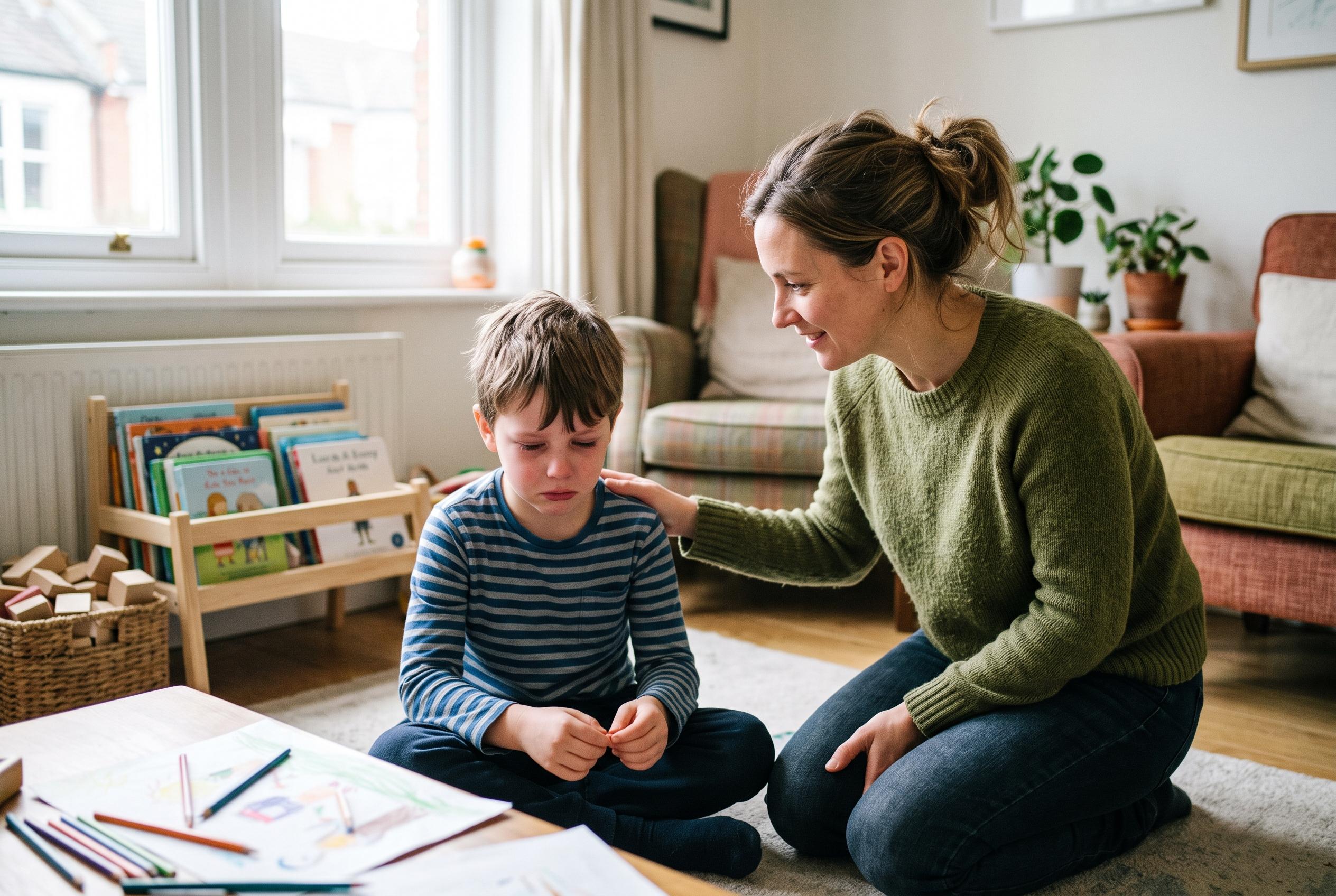

Experts emphasise the importance of validating children’s feelings, modelling healthy responses to setbacks, and fostering emotional regulation to help them handle disappointment effectively and build resilience for the future.
Children often react to disappointment with tears, anger or withdrawal, especially when the setback feels small to adults but huge to them. Missing out on a party, losing a game or not getting the part they wanted can trigger emotions that seem out of proportion, but child development specialists say that response is part of learning how to handle frustration. PBS Parents and Strong4Life both note that disappointment is unavoidable in childhood, and that children build resilience when adults help them work through it rather than trying to remove every difficult feeling.
The first step is often to stay steady yourself. When a child is upset, a calm adult presence can help bring the situation back within reach. Cleveland Clinic advises parents to talk about winning, losing and setbacks before they happen, so children are less likely to feel blindsided when things do not go their way. Naming the feeling also helps: children are more able to settle when they hear language such as “I can see you are disappointed” rather than being told to stop reacting. The Kids Mental Health Foundation says this sort of emotion talk is a basic building block of emotional regulation, which supports later resilience and social development.
Experts also stress that children need room to feel disappointed without being rushed into a solution. Strong4Life recommends acknowledging the emotion, listening carefully and avoiding the urge to fix everything at once. PBS Parents suggests that parents can support children through the feeling with simple coping tools such as deep breathing, drawing, art or physical play, then move towards problem-solving once the child is calmer. That balance matters: validating the feeling does not mean giving in, but it does help children learn that distress can be managed rather than feared.
Once the immediate emotion has eased, parents can help children think more flexibly about what happened. Children may say things like “I never win” or “Nobody likes me” after a setback, but adults can gently offer a broader view without dismissing the hurt. Illinois Early Learning says this is a chance to show children that mistakes and disappointments are part of learning, and that feelings eventually pass. Cleveland Clinic similarly recommends praising effort and recovery, not just results, so children learn that perseverance matters as much as success.
Modelled behaviour is equally important. Children watch how adults respond when plans change, a trip is cancelled or a hoped-for outcome does not happen. When parents name their own disappointment and show how they move forward, children see that frustration is a normal part of life. The message, according to the sources, is not that disappointment should be ignored, but that it can be survived, discussed and handled. Over time, that lesson helps children become more patient, more adaptable and less afraid of setbacks.
Disclaimer: This content is for informational purposes only and is not intended to be a substitute for professional medical judgment, advice, diagnosis, or treatment.