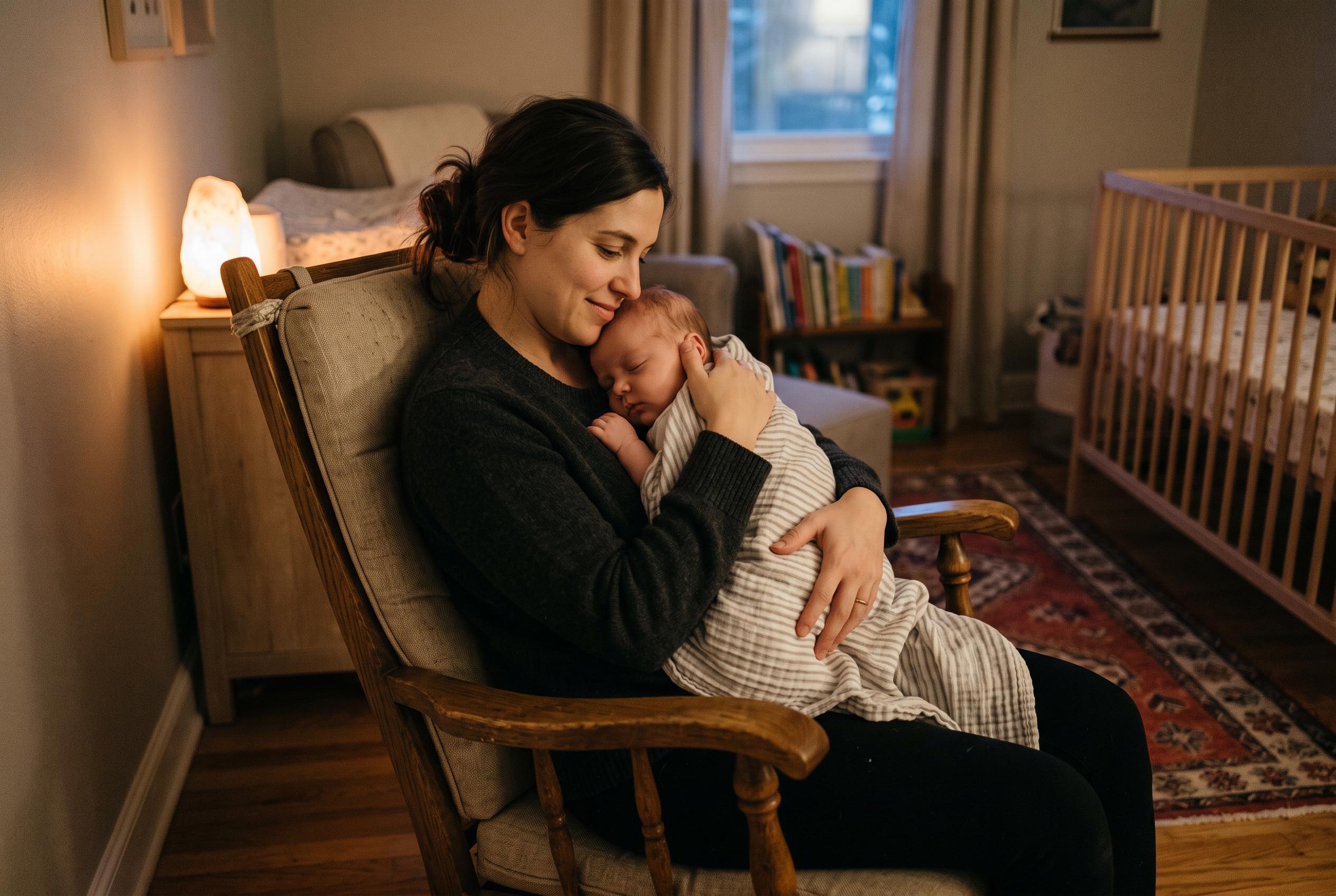

Emerging research reveals that a child’s temperament significantly influences sleep patterns, highlighting the importance of tailored bedtime approaches and responsive caregiving over standard sleep advice.
Parents who have tried every common sleep method can be left feeling that they are the problem. But a growing body of research suggests that for some babies and young children, broken sleep is less about poor routines than about temperament: the inbuilt traits that shape how readily a child settles, adapts and reacts to the world. Psychology Today’s article argues that alertness, persistence, sensitivity, intensity and a strong drive to stay engaged can all make sleep harder, especially when standard advice assumes every child will respond in the same way.
That idea is supported by earlier research. A study indexed on PubMed found that infants with more difficult temperaments slept less than those with easier temperaments, while boys with harder-to-settle sleep patterns also showed shorter attention spans. A later longitudinal study published in Developmental Psychology linked higher negative affectivity in infancy with more sleep problems during the first year of life, suggesting that some temperament traits and sleep challenges travel together from very early on.
More recent work shows the relationship is not one-way. A 2026 study found that poorer sleep quality in infancy predicted increases in unpredictability, while infant temperament itself did not predict later sleep quality. Another study from the same year found both within-child and between-child links between temperament, parenting and infant sleep, with supportive parenting associated with more stable sleep in babies higher in negative emotionality. That points to a more nuanced picture: temperament matters, but so does the way caregivers respond.
Bedtime responsiveness appears especially important for children with more challenging temperaments. Research indexed on PubMed found that greater emotional availability at bedtime was associated with better sleep development in the first six months of life, particularly for infants with difficult temperaments. Another study of infants and toddlers in low-income homes also found that higher negativity was associated with more sleep problems. Taken together, the evidence suggests that a child who struggles to switch off may need more help regulating, not harsher sleep training.
The practical implication is that parents may need to stop asking only, “How do I make my child sleep like other children?” and start asking, “What does this child need to settle?” That may mean earlier bedtimes, more consistent routines, a calmer sleep environment and a steadier, more responsive approach at night. It does not mean giving up on better sleep; it means recognising that for some children, progress is slower, more gradual and more dependent on temperament than popular sleep advice admits.
Disclaimer: This content is for informational purposes only and is not intended to be a substitute for professional medical judgment, advice, diagnosis, or treatment.