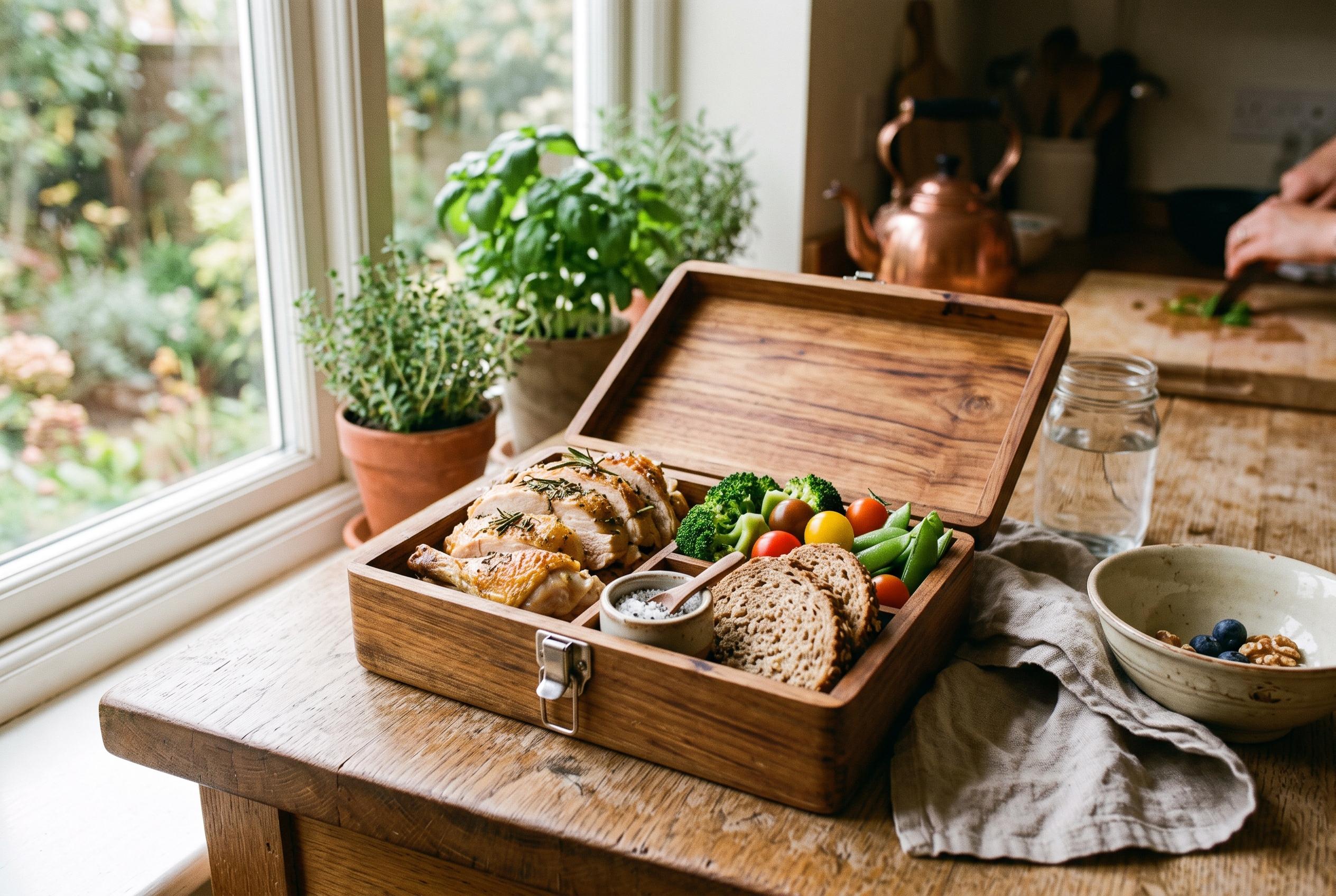

A simple roasted chicken recipe provides parents with a healthier, cost-effective alternative to processed deli meats, perfect for quick school lunches and customisable for children’s tastes.
Making chicken roast at home can be an easy way to replace processed sliced meat in school lunch boxes, especially for parents looking for a cheaper and more wholesome option. The method described by El Balad turns boneless, skinless chicken breasts into thin sandwich slices that can be chilled, portioned and kept ready for quick meals during the school week.
The recipe uses a simple marinade of yoghurt, mustard, paprika, garlic powder, onion powder, black pepper, salt, oil and a squeeze of lemon. The chicken is coated in the mixture and left in the fridge for at least an hour, or up to four hours, before being wrapped tightly in baking paper and foil and roasted in a hot oven at 180C for about 30 to 40 minutes, depending on size. Once fully cooled, the meat is sliced thinly for sandwiches with lettuce, cucumber or cheese.
Food guides from other recipe sites point to the same broad appeal: home-roasted chicken can be a lighter alternative to deli meats, with more control over salt, fat and seasoning. Health-focused recipes often remove the skin, use lean cuts and rely on herbs, yoghurt or buttermilk to keep the meat tender without adding heavily processed ingredients. Other roast chicken methods also show that a moist result is possible in a standard oven, whether the cook prefers an herb marinade, a mayonnaise coating or a lower-temperature roast.
That makes the dish especially practical for families trying to save time and money. The chicken can be prepared ahead, chilled after roasting and cut into small portions for several days of use, as long as it is kept refrigerated and not left out for long once packed. For children, the end result is a familiar sandwich filling that feels more homemade than packaged lunch meat and can be adjusted to suit different tastes.
Disclaimer: This content is for informational purposes only and is not intended to be a substitute for professional medical judgment, advice, diagnosis, or treatment.