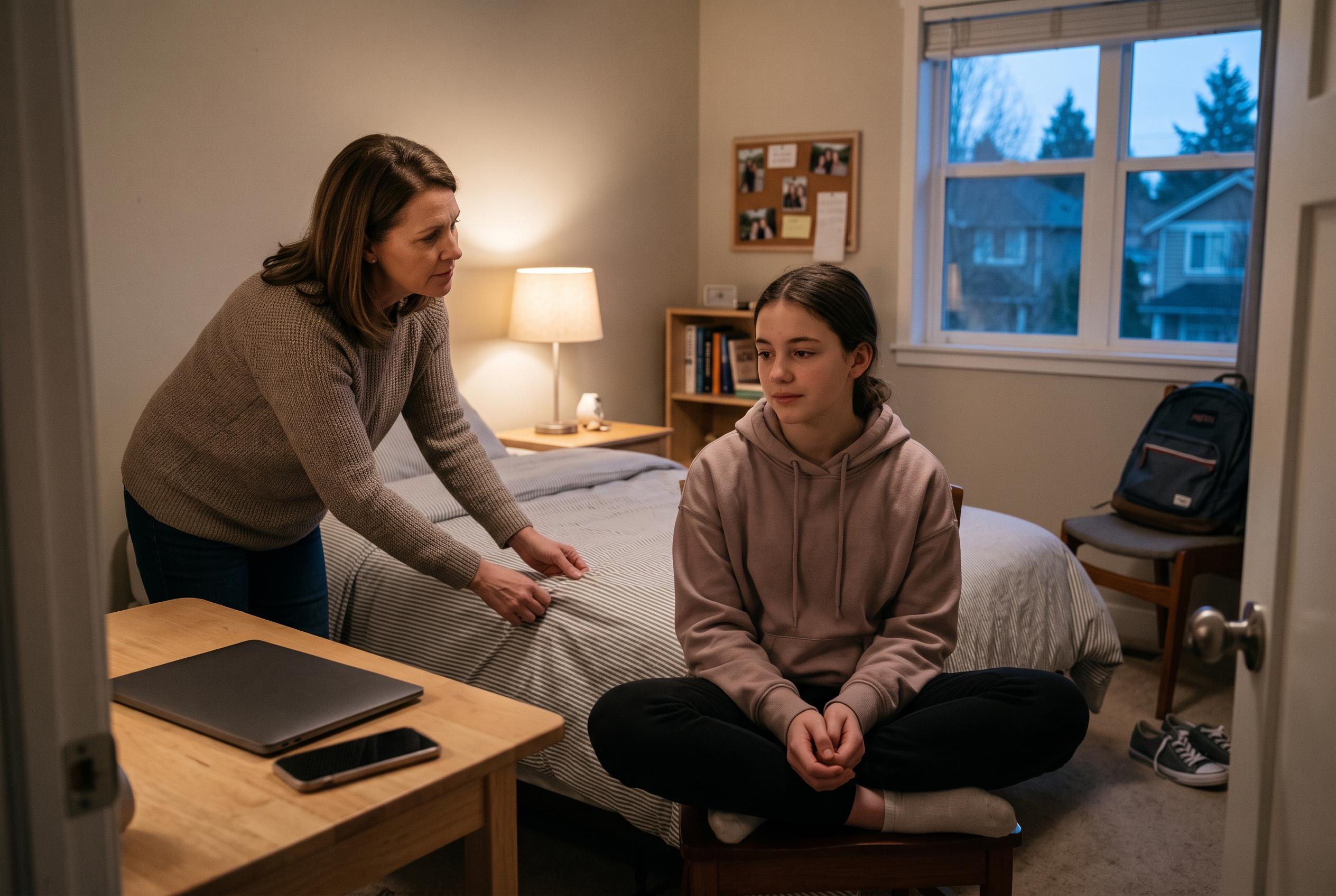

A new systematic review suggests that irregular sleep patterns, known as social jetlag, are associated with increased anxiety among adolescents. Experts recommend later school start times to align better with teenagers’ biological sleep changes and improve mental health.
A growing body of sleep research suggests that teenagers are not simply being difficult when they struggle with early school mornings. As adolescents move through puberty, changes in melatonin release can push sleep and wake times later, making it harder for them to fall asleep early and rise before dawn. That biological shift helps explain why many young people sleep in at weekends after being forced into earlier schedules during the week.
New research published in Sleep Medicine Reviews adds another concern: the mismatch between school-day and weekend sleep patterns, known as social jetlag, appears to be linked with anxiety in adolescents. According to the systematic review and meta-analysis, researchers at the University of Southampton examined 18 studies, and pooled data from 12 involving 235,526 adolescents. The association was small but statistically significant, suggesting that greater swings in sleep timing may carry mental health costs.
The study does not prove that social jetlag causes anxiety, but the findings fit with earlier evidence that both shorter school-night sleep and irregular sleep timing are tied to anxious symptoms in teenagers. The authors said the results underline the value of keeping sleep and wake times steady across the week, including at weekends, and argued that school timetables should be reconsidered in light of adolescents’ changing sleep biology.
That debate is already familiar in the United States, where major medical groups have long recommended that middle and high schools start no earlier than 8:30 a.m. The American Academy of Pediatrics and the American Academy of Sleep Medicine both say secondary classes should begin at or after that time, and the sleep medicine group advises that 13- to 18-year-olds get eight to 10 hours of sleep a night. Experts say this matters because sleep is crucial for the developing adolescent brain, supporting learning, memory, emotional regulation, impulse control and judgement. Deep sleep, in particular, helps consolidate information learned during the day, while too little sleep can undermine concentration and decision-making.
Disclaimer: This content is for informational purposes only and is not intended to be a substitute for professional medical judgment, advice, diagnosis, or treatment.