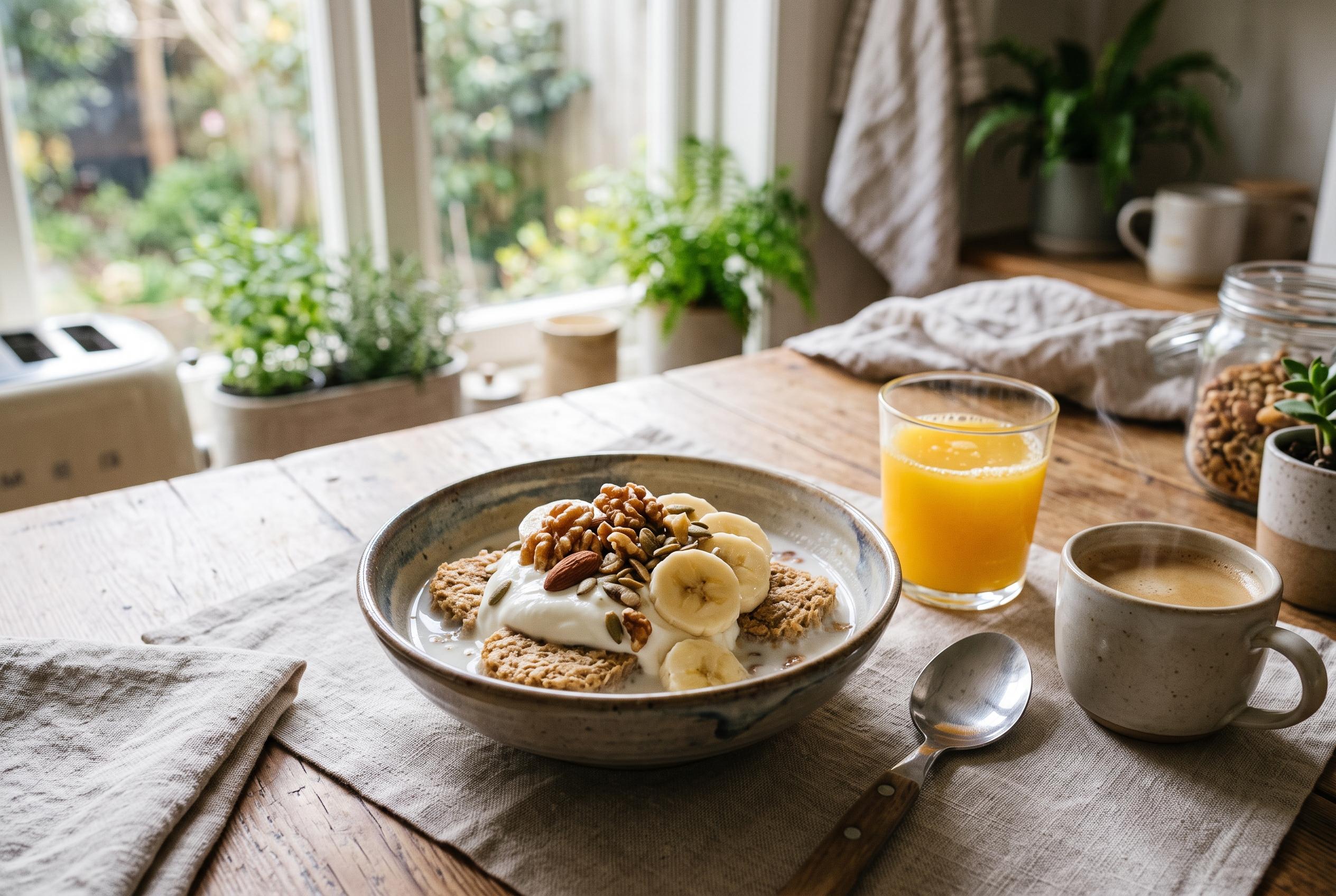

While Weet-Bix is a popular breakfast staple, experts highlight that its nutritional value hinges on the toppings and accompaniments, not just the cereal itself.
Weet-Bix has long been treated as a dependable breakfast staple, but dietitians say its health value depends less on the logo on the packet than on what is added to the bowl. The cereal can be a solid base, they say, yet it is not a complete meal on its own.
Registered dietitian Julia Sekula says the serving suggestion on the box should be treated as a guide rather than a rule. Two biscuits may be enough for a small child or a lighter eater, but an older child, a teenager or an active adult may need more to feel satisfied through to the next meal. Healthy Food Guide likewise notes that Weet-Bix works best as part of a broader breakfast rather than as a stand-alone option.
What turns the bowl into a more balanced meal is usually the extras. Milk or yoghurt lift the protein and calcium content, while fruit adds fibre, flavour and micronutrients. Nuts, seeds and flaxseed can contribute healthy fats and more staying power. Sanitarium says Original Weet-Bix is 97% whole grain and is low in sugar and saturated fat, while also providing fibre, iron and B vitamins.
The sugar question is less straightforward than it first appears. Original Weet-Bix is relatively low in sugar, so adding a teaspoon does not automatically make it worse than choosing a sweeter cereal straight away. Nutritionists argue that the better comparison is with the full nutritional profile of the breakfast, not with sugar sprinkled from a spoon. Honey is not a healthier exception simply because it sounds more natural, and it should not be given to children under 12 months.
The newer versions are not always an upgrade. Weet-Bix Multi-Grain+ contains several grains, but the New Zealand product information shows it has less whole grain overall and more sugar than the original. The gluten-free version has a clear purpose for people who must avoid gluten, but there is no obvious benefit in paying more for it if gluten is not an issue. Flavoured versions are easier to question as everyday choices because they tend to contain much more sugar.
For households deciding between brands, the evidence suggests the plain supermarket versions are broadly similar nutritionally. Consumer NZ’s blind tasting in 2025 ranked Pams first, Woolworths second and Weet-Bix third among the three plain wheat biscuits. That means price may matter more than branding, especially when specials change. The practical verdict is simple: buy the plain biscuit your family likes, add milk, yoghurt, fruit, nuts or seeds, and let the bowl do the real nutritional work.
Disclaimer: This content is for informational purposes only and is not intended to be a substitute for professional medical judgment, advice, diagnosis, or treatment.