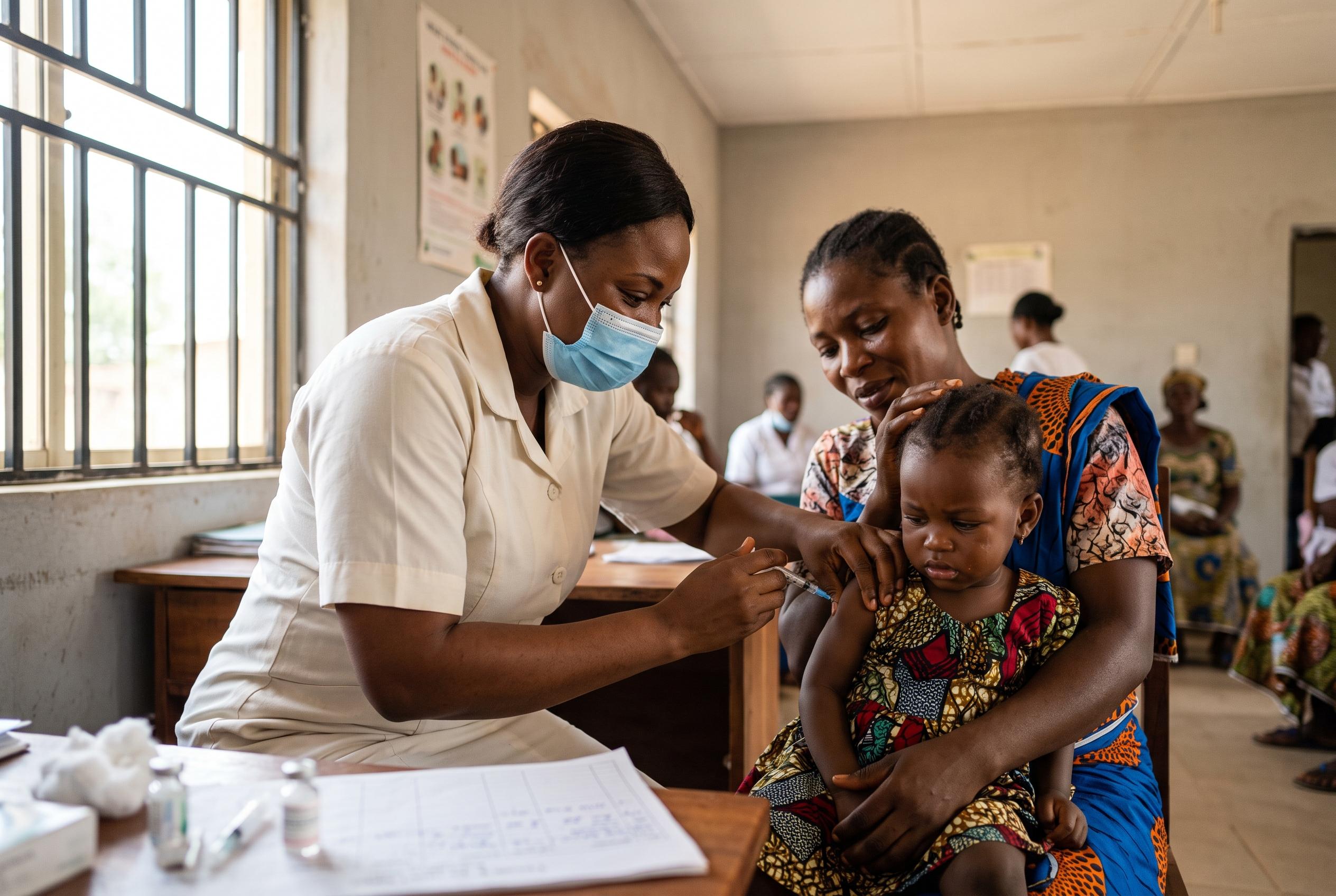

As Nigeria grapples with a resurgence of diphtheria, health experts emphasise the importance of routine immunisation, hygiene, and rapid response to outbreaks to prevent severe complications and fatalities.
Diphtheria is a dangerous bacterial infection that can spread quickly in communities where vaccination rates are low, and Nigeria is again facing concern over fresh cases. The illness is caused by toxin-producing strains of Corynebacterium diphtheriae, which can damage tissues and, in severe cases, affect the heart, nerves and other organs. Health agencies say the disease remains largely preventable through routine immunisation, yet outbreaks continue to appear where coverage has fallen short.
The infection usually spreads through respiratory droplets, close contact with infected skin sores, or contaminated items such as clothing, towels or tissues. Symptoms often begin two to five days after exposure and may start with a sore throat, fever, swollen neck glands, weakness and fatigue. A thick grey or white membrane can form at the back of the throat or on the tonsils within a few days, sometimes blocking the airway and making it hard to breathe or swallow.
Doctors warn that diphtheria can become life-threatening if it is not treated quickly. Complications can include airway obstruction, myocarditis, nerve damage, breathing failure and death. The CDC says suspected cases should be assessed on clinical grounds, with respiratory disease usually treated using diphtheria antitoxin and antibiotics; close contacts may also need preventive treatment and a review of their vaccine status. For cutaneous diphtheria, antibiotics alone are often enough, but public health officials say suspected cases should be reported promptly.
Prevention depends above all on vaccination. The CDC says staying up to date with recommended vaccines offers the best protection, while the World Health Organisation says children should receive a primary series in infancy followed by booster doses later in childhood and adolescence. In Nigeria, the diphtheria shot is usually given through the pentavalent vaccine, which also protects against several other serious diseases. Health experts also stress basic hygiene, prompt isolation of suspected cases and swift reporting to the nearest health facility, particularly in crowded areas where infection can spread more easily.
Disclaimer: This content is for informational purposes only and is not intended to be a substitute for professional medical judgment, advice, diagnosis, or treatment.