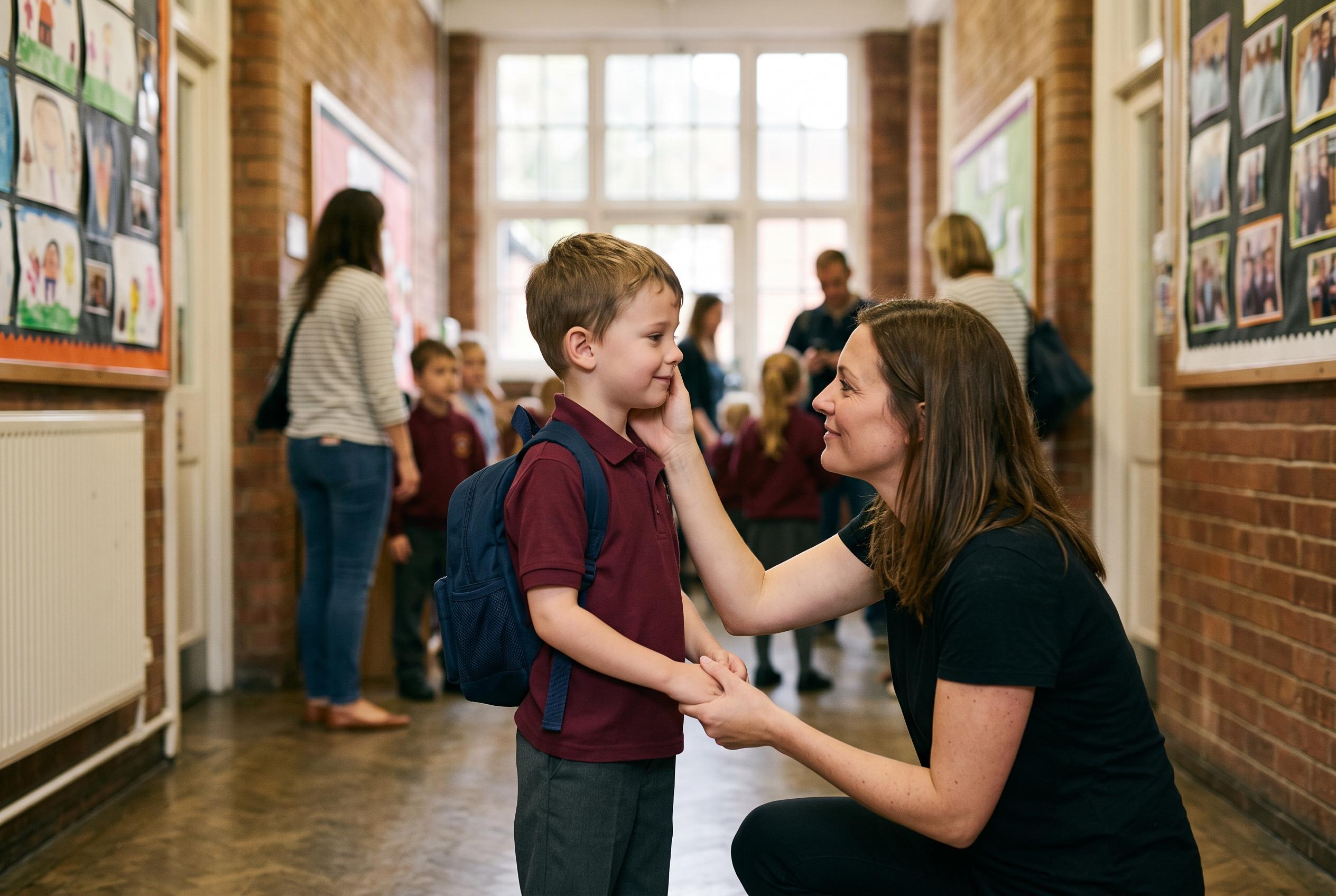

Experts emphasise that creating a supportive and reassuring environment in early primary years is crucial for long-term learning success, highlighting the impact of parental attitude, routines, and social skills.
The first weeks of primary school are about far more than letters and numbers. What matters most, education experts say, is whether a child begins to see learning as something rewarding rather than frightening. That early attitude can shape how they approach school for years to come.
Parents often do more harm than they realise by passing on their own anxiety. If a child senses worry about test results, friendships or fitting in, that unease can quickly become their own. Research published in Nature has found that parental anxiety and depression are linked with weaker school outcomes, while other studies have shown that parents’ subject-related anxiety, especially around mathematics, can affect children’s confidence and performance when homework becomes a shared stress point.
A steady routine also matters. Scholastic recommends consistent bedtimes, wake-up times and time set aside for reading, rest and homework, while noting that predictability helps children feel secure. A calm home environment and a dedicated place to work can make the school transition much easier, particularly in the early weeks when everything else feels new.
Teachers, meanwhile, should not be undermined in front of a child. If parents criticise a teacher at home, they may weaken the authority a child needs in order to learn well. Disagreements are better handled directly with the school, rather than turned into dinner-table commentary. That approach helps preserve respect for the classroom and keeps the child from feeling caught between adults.
Friendships deserve space too. First-grade social life is part of the learning process, and children need room to make mistakes, fall out and make up again without constant adult intervention. Scholastic advises parents to encourage sharing, cooperation and other social skills, but not to manage every friendship themselves. And when a child says they do not want to go to school, specialists say the first step is to listen carefully rather than dismiss the feeling. In some cases, children are repeating a sibling’s dislike of school; in others, they may be worried about making friends or keeping up. The right response is calm reassurance, a discussion of what school can offer and, if the problem persists, outside help from a psychologist.
Disclaimer: This content is for informational purposes only and is not intended to be a substitute for professional medical judgment, advice, diagnosis, or treatment.