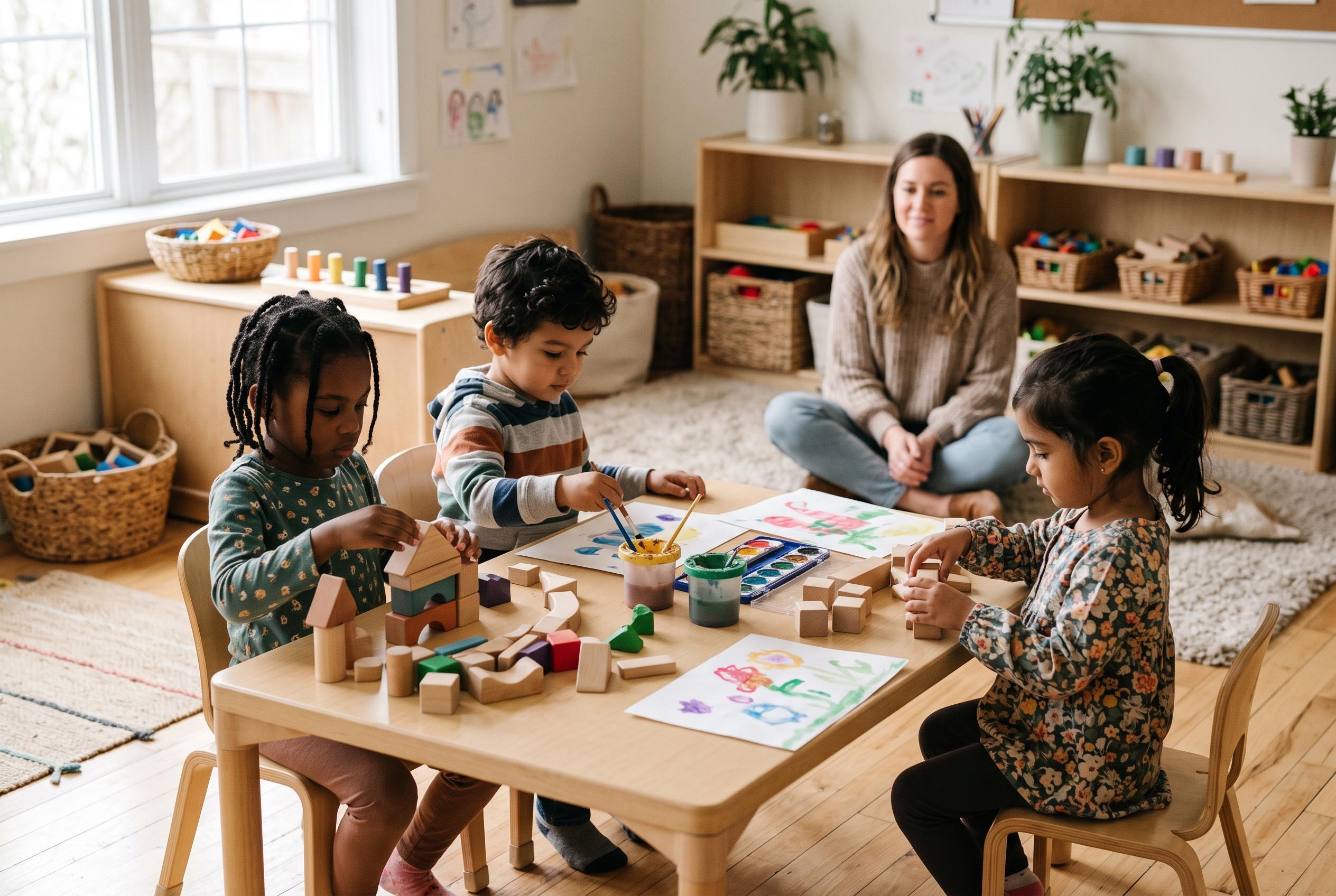

Recent guidance underscores the importance of emotional control, independence, and routines over early academic skills in preparing children for school transitions.
School readiness is less about reciting numbers or recognising letters than about whether a young child feels secure enough to join a classroom, adapt to routines and ask for help when needed, according to child development specialist Deiros Collado in the BBC report. The broader idea is that children are not simply being prepared to pass a test on day one; they are being helped to manage a new setting, separate from parents and begin learning alongside other children.
That view is echoed by school readiness guidance from early years and education groups, which says emotional control, patience, sharing and turn-taking often matter more than early academic knowledge. The National Institute for Early Education Research has argued that children arrive at kindergarten with very different levels of development, and that social and emotional skills at entry can shape later success just as much as pre-reading or counting.
Independence is another key part of the picture. Deiros Collado suggests parents can bridge home and school by encouraging small self-help tasks, such as putting on a coat or fastening a zip, so children build confidence in doing things on their own. Montessori-based advice and other early years guidance make the same point: children tend to thrive when they practise practical routines and problem-solving at home, then meet similar expectations in school.
The BBC report also highlights a simple separation routine, such as a goodbye ritual, to help children practise leaving a parent without distress. For families of children with additional needs, other education guidance stresses the value of regular communication between home and school, including notebooks, emails or online updates, so teachers and parents can respond together when a child struggles with the transition.
Disclaimer: This content is for informational purposes only and is not intended to be a substitute for professional medical judgment, advice, diagnosis, or treatment.