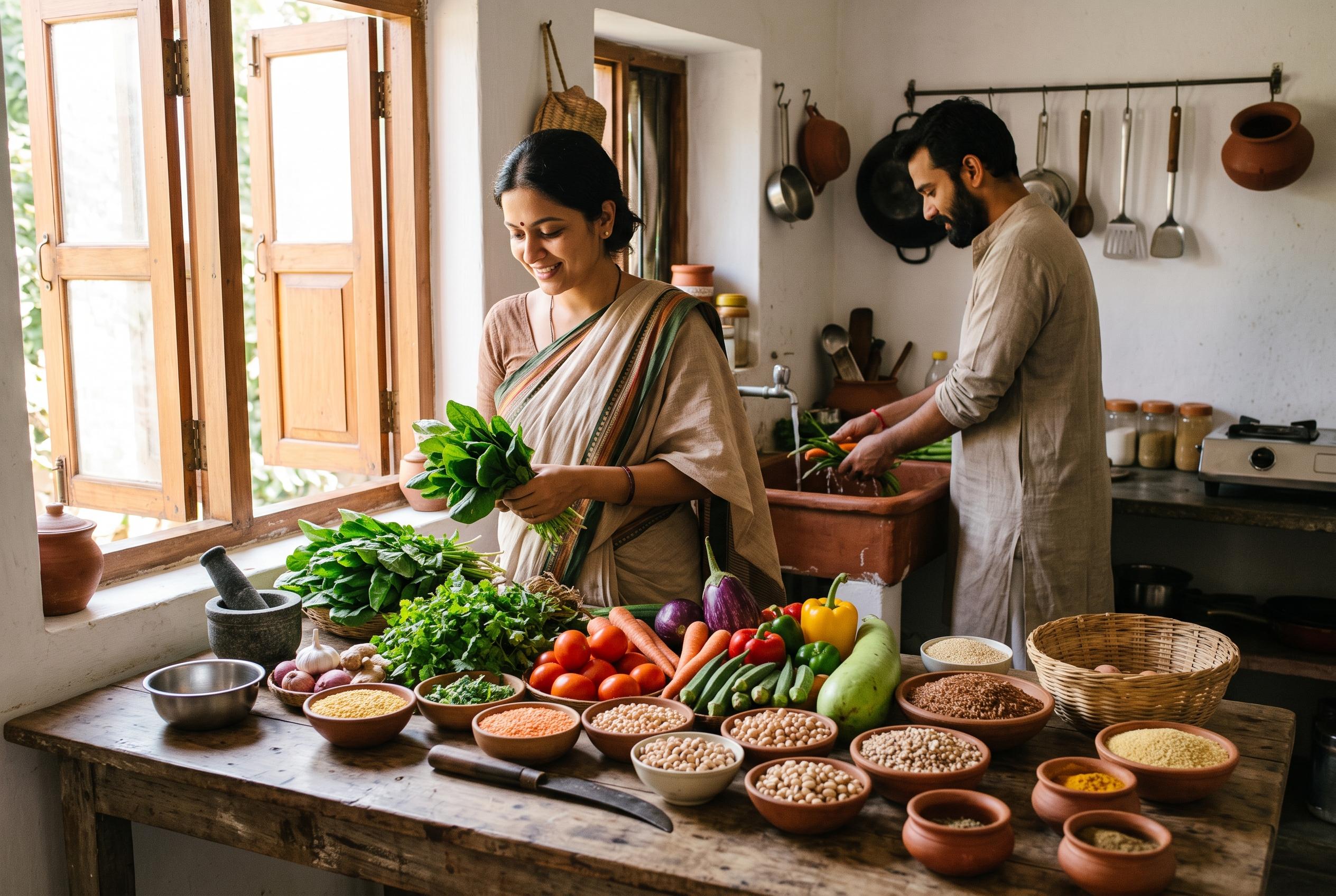

As India observes National Nutrition Week, experts emphasise the importance of prioritising a diverse diet of whole foods over supplements, supported by recent research demonstrating the superior biological benefits of food matrices for overall health and specific deficiencies.
As National Nutrition Week gets under way in India, clinicians are urging people to think less about quick fixes and more about what is on the plate. The central message is simple: supplements have a role when there is a diagnosed deficiency or a specific medical need, but they are not a substitute for a varied diet built from whole foods.
That view is supported by research in The American Journal of Clinical Nutrition, which found that nutrients from fruits, vegetables and other whole foods tend to work together in ways isolated pills do not. The study points to a wider biological effect from food matrices, where vitamins, minerals, fibre and other compounds appear to support one another rather than act alone.
For iron, that means looking beyond tablets when possible. Evidence in PubMed suggests that beetroot may improve antioxidant levels in people with iron-deficiency anaemia, while other studies show plant-based iron sources such as moringa can provide usable iron, especially when paired with vitamin C. Another trial found that plant-based iron and vitamin C together improved iron status and reduced anaemia, strengthening the case for food-first approaches where appropriate.
Calcium is another example. Instead of relying on chewables, dietitians often point to sesame seeds and ragi, or finger millet, both of which supply calcium alongside magnesium, phosphorus and zinc. Those companions matter because bone health depends on more than a single mineral. Whole-food sources may also help people avoid the overuse concerns sometimes raised around isolated calcium supplements.
Vitamin C is easier to obtain from food than many people realise. Amla and guava are among the richest natural sources, and they bring flavonoids and fibre with them. For people looking to improve their daily intake without adding more capsules, these fruits can do the job while also fitting into meals and snacks.
The same logic applies to general wellbeing. Pumpkin, sunflower and flax seeds can add vitamin E, zinc, magnesium and healthy fats, while fermented foods such as kanji, curd and fermented rice water may support gut health through live cultures and prebiotic fibres. Taken together, the advice is not to reject supplements outright, but to use them selectively and let a diverse diet do most of the work.
Disclaimer: This content is for informational purposes only and is not intended to be a substitute for professional medical judgment, advice, diagnosis, or treatment.