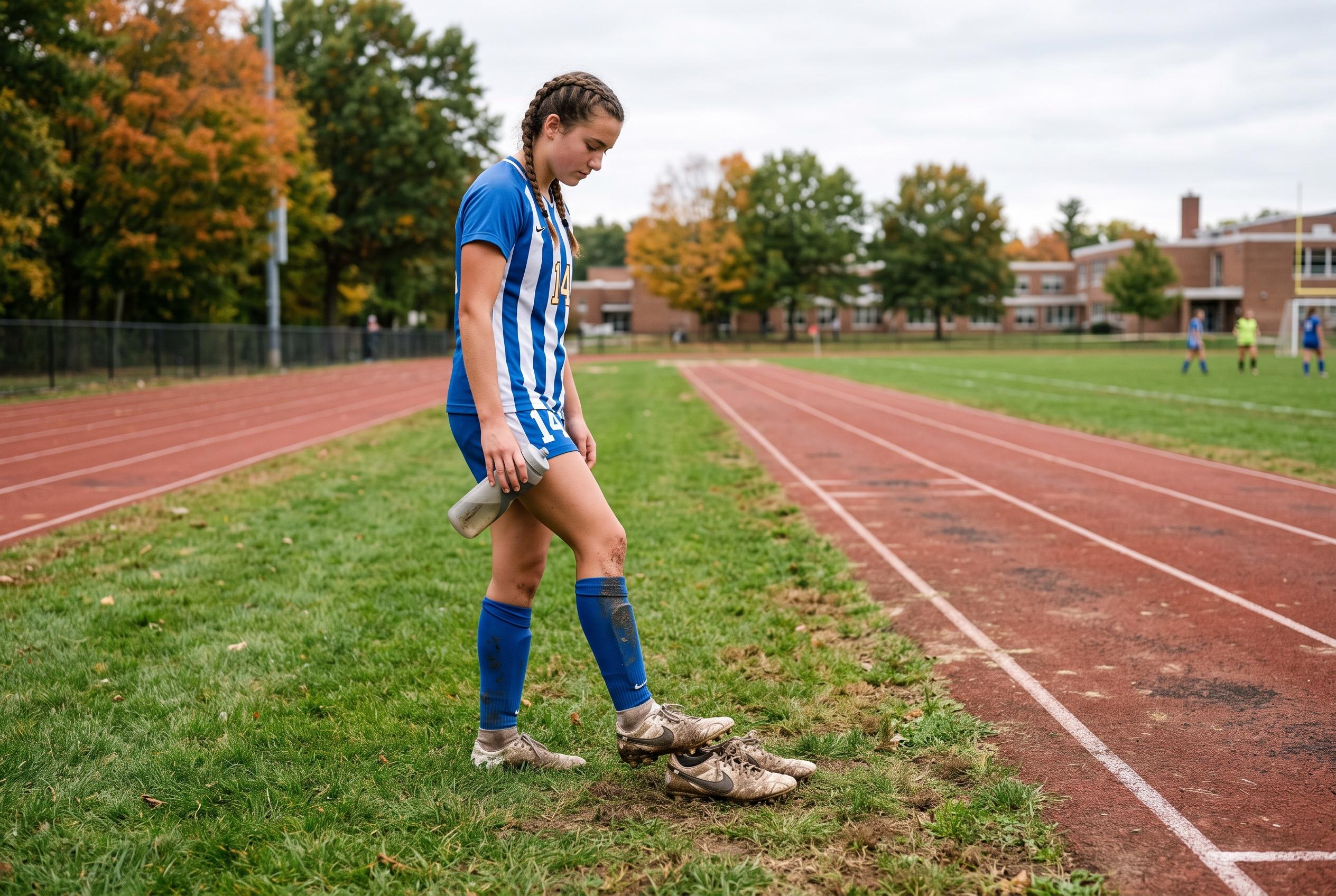

As children return to school sports and activities this autumn, orthopaedic specialists advise a cautious approach to prevent sprains, fractures, and knee injuries. Experts highlight the importance of gradual training, proper equipment, and adequate rest to reduce injury risks among young athletes after summer breaks.
As pupils return to classrooms and pitches this autumn, orthopaedic specialists are urging families not to treat the first weeks of sport as a race back to full speed. After a summer away from organised training, youngsters often restart too quickly, and that abrupt shift can raise the risk of sprains, strains, fractures and more serious knee injuries, including ACL tears, according to the guidance highlighted by RWJBarnabas Health and reinforced by Johns Hopkins Medicine.
Experts say the safest approach is a gradual return built on conditioning, warm-ups and appropriate kit. Johns Hopkins Medicine notes that proper preparation and the right protective equipment can significantly reduce the chance of injury, while good technique also matters. For coaches and parents, that means easing athletes back into training rather than expecting match fitness on day one, especially in sports that involve running, jumping and sudden changes of direction.
Another warning sign is pain that goes beyond ordinary post-practice soreness. The Mayo Clinic Health System says persistent aches, fatigue and falling performance can all point to overtraining, while Stanford Medicine Children’s Health warns that young athletes may be especially vulnerable because their bones and growth plates are still developing. Doctors say children who keep playing through pain, swelling or recurring discomfort should be assessed rather than pushed to continue.
Recovery is just as important as drills and conditioning, yet specialists say it is often overlooked. Overtraining can develop when athletes train hard without enough rest, leading to exhaustion, irritability, poorer performance and a higher injury risk, according to Hospital for Special Surgery, Healthline and WebMD. The broader message from sports medicine experts is straightforward: manage load carefully, avoid year-round intensity without breaks, and treat rest as part of performance rather than a sign of weakness.
Disclaimer: This content is for informational purposes only and is not intended to be a substitute for professional medical judgment, advice, diagnosis, or treatment.