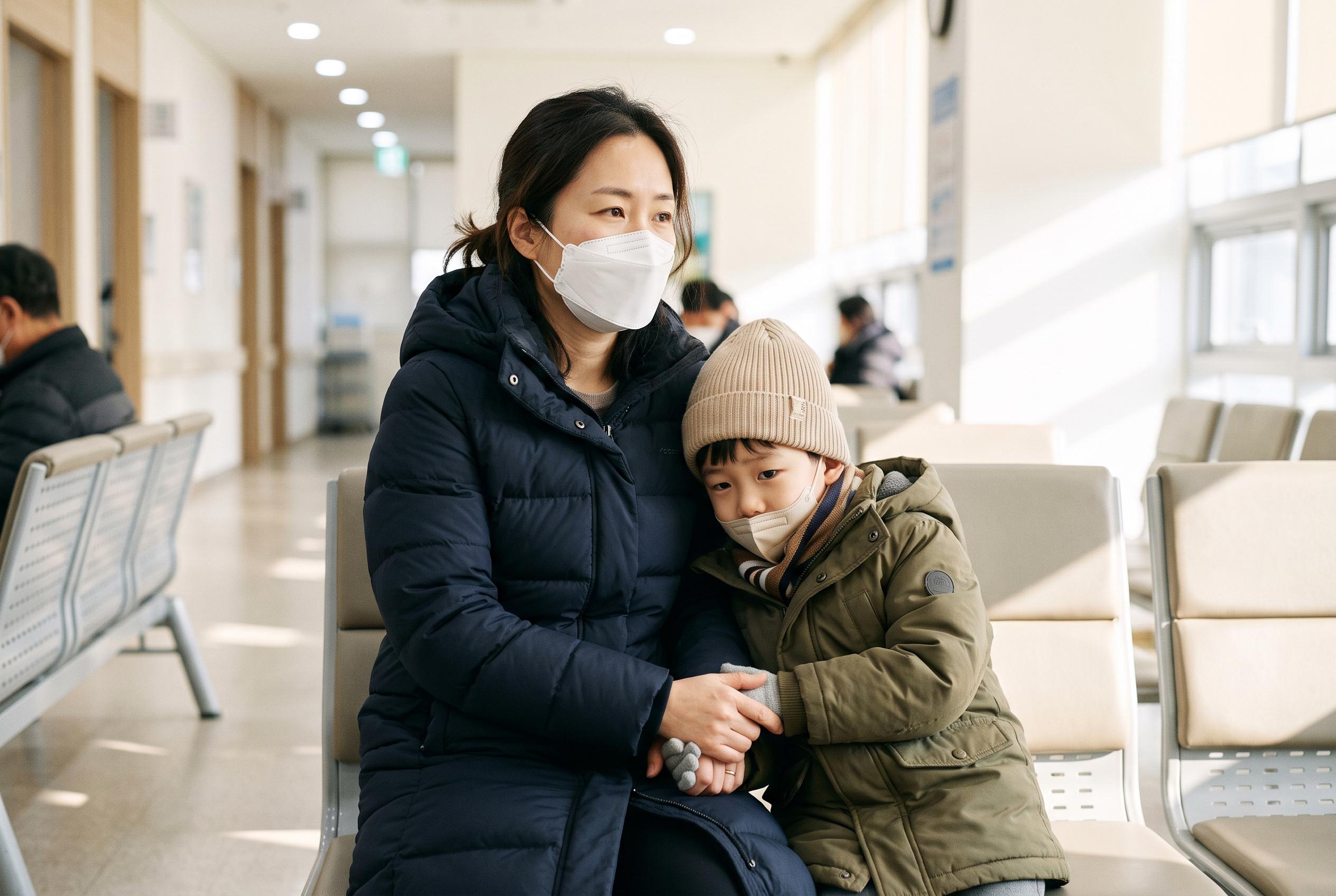

Influenza activity in South Korea is increasingly evident with a steady rise in suspected cases and hospital admissions as the country prepares to launch its expanded flu vaccination programme for children, pregnant women, and older adults amid growing public concern.
Influenza activity in South Korea is edging higher, with health authorities reporting a fourth straight week of growth in suspected cases and a sharper rise in hospital admissions, prompting renewed public concern as the country heads towards its vaccination campaign.
According to figures released by the Korea Disease Control and Prevention Agency for week 34, covering August 16 to 22, there were 9.2 influenza-like illness patients per 1,000 outpatients at clinic-level medical facilities. That was up from 6.9 in week 31, 7.0 in week 32 and 7.5 in week 33, indicating a steady climb rather than a sudden surge.
The increase has been more pronounced among inpatients. Hospital-level facilities reported 31 flu admissions in week 30, 38 in week 31 and 89 in week 34. The agency also said 10.0% of respiratory specimens from clinic-level outpatients tested positive for influenza virus, with A(H1N1)pdm09 accounting for most detections.
The timing has unsettled parents, workers and commuters alike, with social media filled with accounts of colleagues, classmates and family members falling ill. The concern is sharpened by the start of the 2026-27 state-funded flu vaccination programme, which the South Korean government has expanded to cover children up to 14 years old, according to Health Chosun. The free programme begins in phases from September 21 and runs until April 30, 2027.
Under the schedule set out by health authorities and reported by Media Life, children aged six months to 14 years who have not been vaccinated before, or who are under nine and need two doses, can start from September 21. Other eligible children can begin on September 28. Pregnant women can also receive free shots from September 21, while older adults will be vaccinated in stages from October 12 for those aged 75 and above, October 15 for those aged 70 to 74, and October 19 for those aged 65 to 69. The programme also recommends co-administration of flu and Covid-19 vaccines for older adults.
The CDC in the United States says this season’s flu vaccines for 2026-27 are designed to protect against the strains expected to circulate, and public-health experts continue to stress that vaccination does not prevent every infection but can reduce the risk of severe illness and complications. South Korean health officials are urging people to check clinic availability before visiting, as stock and opening hours may vary, and to keep up basic precautions such as mask-wearing when unwell, handwashing, ventilation and proper cough etiquette.
Disclaimer: This content is for informational purposes only and is not intended to be a substitute for professional medical judgment, advice, diagnosis, or treatment.