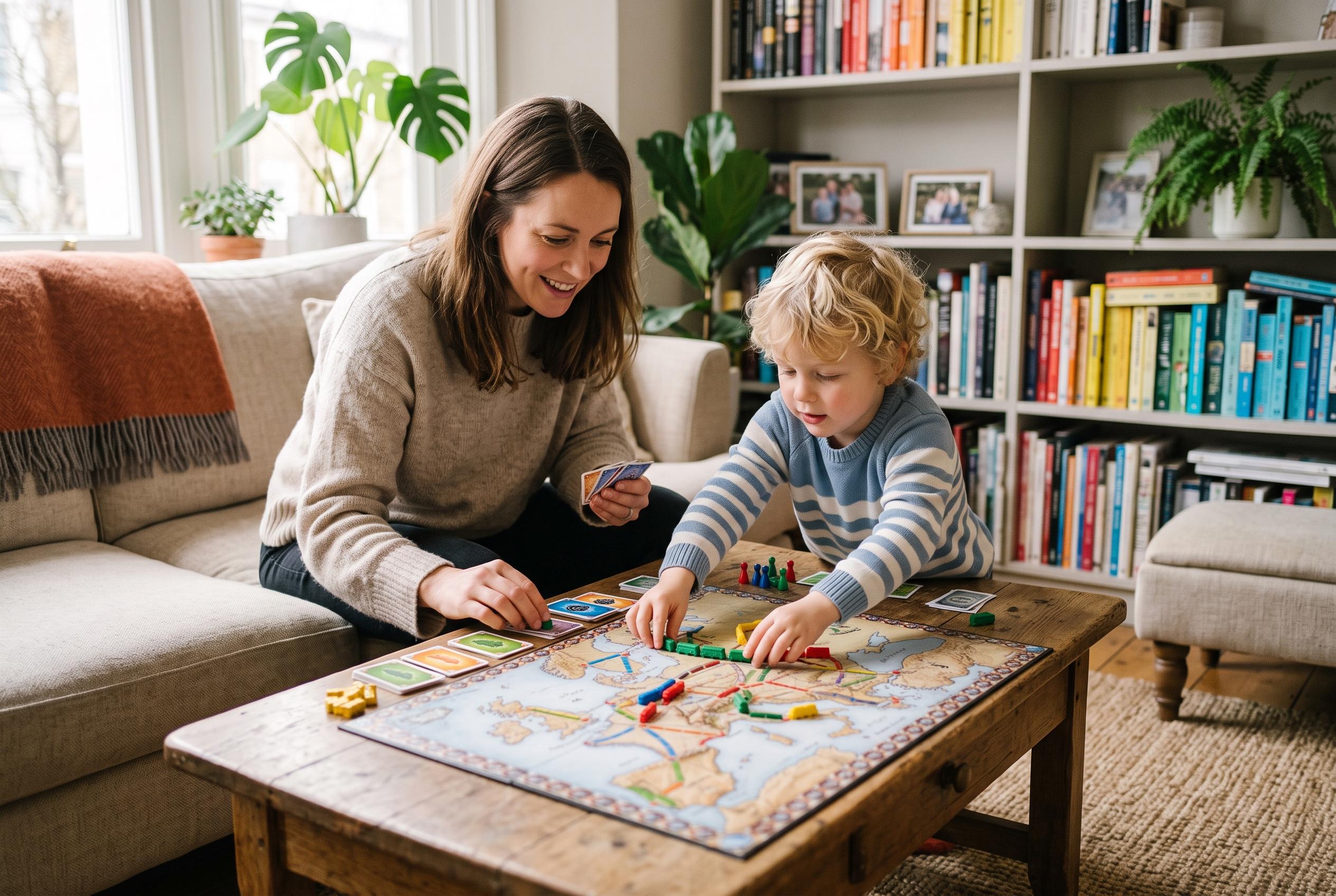

Colorado and other states are urging the American Academy of Pediatrics to encourage families to incorporate simple activities like card and board games into daily routines, aiming to make maths more accessible and build confidence from a young age.
Autumn Rivera has spent years teaching sixth graders in Glenwood Springs, but one lesson has stayed with her: children can shape the world long before they are adults if they are given the right tools. She points to her former pupils’ campaign to help save Sweetwater Lake, a local effort that culminated in Governor Jared Polis announcing in 2021 that the site would become Colorado’s 43rd state park. For Rivera, that story is proof that confidence and support matter as much as ambition.
That same idea runs through her view of maths education. In the classroom, Rivera says she can quickly see which pupils have grown up handling numbers in ordinary life , whether by counting money, following a scoreboard or measuring ingredients , and which have not. The difference is not simply about income, she argues, but about routine. Children who arrive without that early familiarity can struggle with practical tasks such as estimating a shopping total or connecting a recipe to the markings on a measuring cup.
Rivera says schools cannot assume every child starts from the same place. She argues that deeper learning depends on a common foundation, and that this is why Polis’s latest push matters. According to Education Week, the Colorado governor joined five other governors in urging the American Academy of Pediatrics to issue guidance that would encourage families to build numeracy through everyday activities such as card games, board games and pattern play. The proposal seeks to give maths the same kind of early-family emphasis that the academy’s literacy advice gave reading.
That comparison is central to Rivera’s argument. She says a card game or a short session of counting is not a replacement for classroom teaching, but a way to make formal instruction more effective by helping children become comfortable with numbers. In that sense, the governors’ appeal is aimed not only at parents but at culture: making maths feel ordinary, shared and accessible rather than specialised or intimidating. Rivera says she has seen that change happen even in a single school year, and believes it can begin with something as simple as play.
Disclaimer: This content is for informational purposes only and is not intended to be a substitute for professional medical judgment, advice, diagnosis, or treatment.