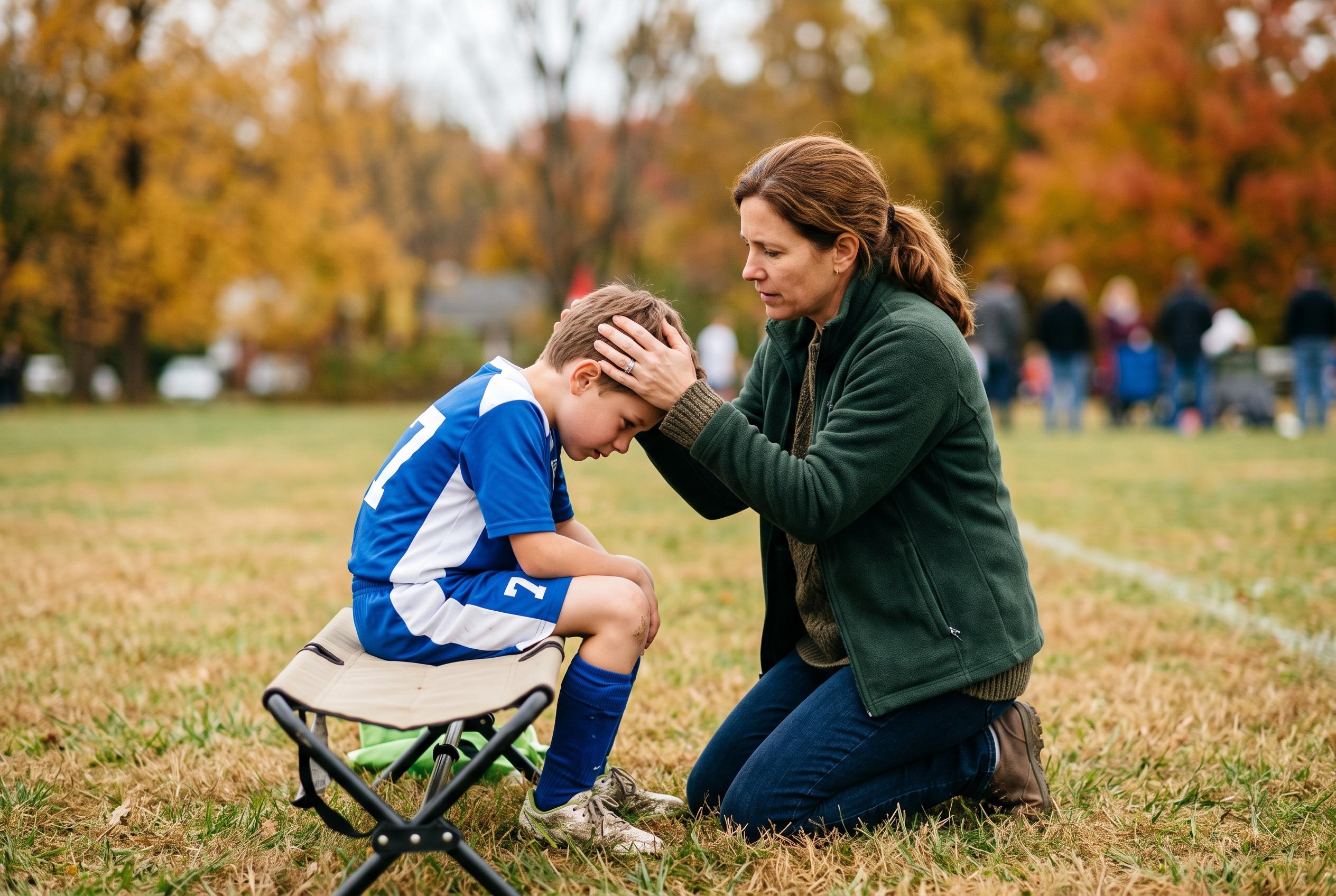

As Minnesota’s autumn sports season kicks off, health experts warn parents to remain vigilant about concussion risks, emphasising the importance of recognising subtle symptoms and prioritising long-term brain health over game participation.
As autumn sports get under way across Minnesota, families are once again settling into the familiar rhythm of football under lights, weekend soccer and long trips to the rink. Those traditions bring clear benefits for children, from fitness and confidence to teamwork and friendship. But they also bring a seasonal risk that parents should not overlook: concussion.
A concussion is a type of brain injury that can happen after a blow to the head or a forceful hit to the body. According to the Mayo Clinic and the American Academy of Paediatrics, it does not always involve a dramatic collision or a loss of consciousness. Symptoms can be subtle at first, and may include headache, dizziness, nausea, trouble concentrating, sensitivity to light or noise, irritability or a child simply saying they do not feel right. Because signs can appear after the play has ended, parents and coaches should pay close attention to behaviour changes on the ride home or later that day.
Health experts say the safest response is to remove any child with a suspected concussion from play straight away and arrange medical evaluation. The Centres for Disease Control and Prevention’s HEADS UP programme advises that young athletes should not return to sport until they have been cleared by a healthcare provider. Rest, hydration, sleep and a gradual return to schoolwork and activity are all part of recovery, but every child improves at a different pace. Families are also warned not to rely on a helmet alone. Helmets help reduce serious head injuries, but they cannot prevent every concussion.
Doctors also stress that children’s symptoms can vary by age, with younger children sometimes showing sleep changes, irritability or appetite shifts rather than the classic headache and dizziness seen in older athletes. That is one reason experts urge parents to trust their instincts and believe children when they say something feels wrong after a hit. The message from paediatric and sports medicine specialists is consistent: a missed game matters far less than a missed injury, and protecting a developing brain should always come first.
Disclaimer: This content is for informational purposes only and is not intended to be a substitute for professional medical judgment, advice, diagnosis, or treatment.