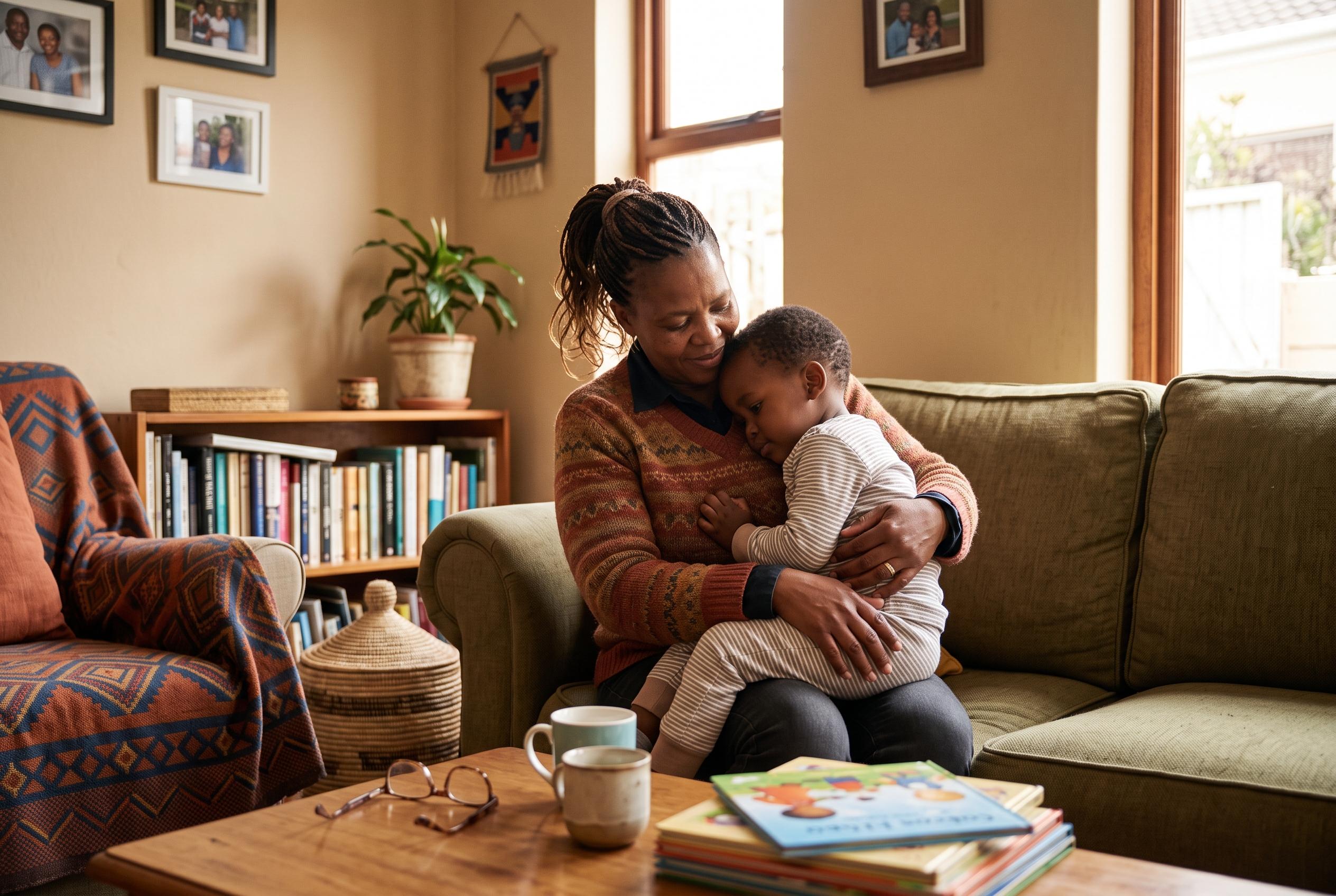

The 2025 Child Gauge highlights the vital role of trauma-informed, family-centred services, emphasising that nurturing caregivers is key to safeguarding children’s well-being and disrupting intergenerational violence in South Africa.
South Africa’s latest Child Gauge argues that helping children means helping the adults who care for them. The 2025 edition, launched by the Children’s Institute at the University of Cape Town, focuses on the links between violence against women and children and calls for trauma-informed, family-centred services that can break cycles of harm across generations. That framing matters because, as the publication makes clear, parenting does not happen in isolation: stress, conflict and safety at home all shape a child’s wellbeing.
One of the clearest examples in the report is Parentline SA, a WhatsApp-based support service that offers parenting advice, emotional guidance and help with relationship difficulties. The South African Parenting Programme Implementers Network says the service provides light-touch support, practical resources and referrals when families need more intensive help. Its value lies in treating parenting and couple relationships as connected, rather than separate, since tension between adults can quickly spill over into a child’s emotional world.
That approach also reflects a wider shift in family support in South Africa. The Children’s Institute and UNICEF South Africa have both stressed the need for services that strengthen families from pregnancy onwards, while SAPPIN says effective parenting programmes help create safe, warm and non-violent homes. In practice, that can mean community services, clinic-based advice, school support, faith groups and online platforms that make help easier to reach for parents who may be isolated, under pressure or unable to afford private counselling.
The Child Gauge’s message is blunt: violence prevention and child wellbeing improve when caregivers are supported, not judged. In a country where many families face poverty, unsafe communities and limited access to mental health care, accessible programmes can ease parental burnout, improve communication and reduce conflict before it escalates. The report’s underlying argument is simple but powerful: children are more likely to thrive when the adults around them have somewhere to turn.
Disclaimer: This content is for informational purposes only and is not intended to be a substitute for professional medical judgment, advice, diagnosis, or treatment.