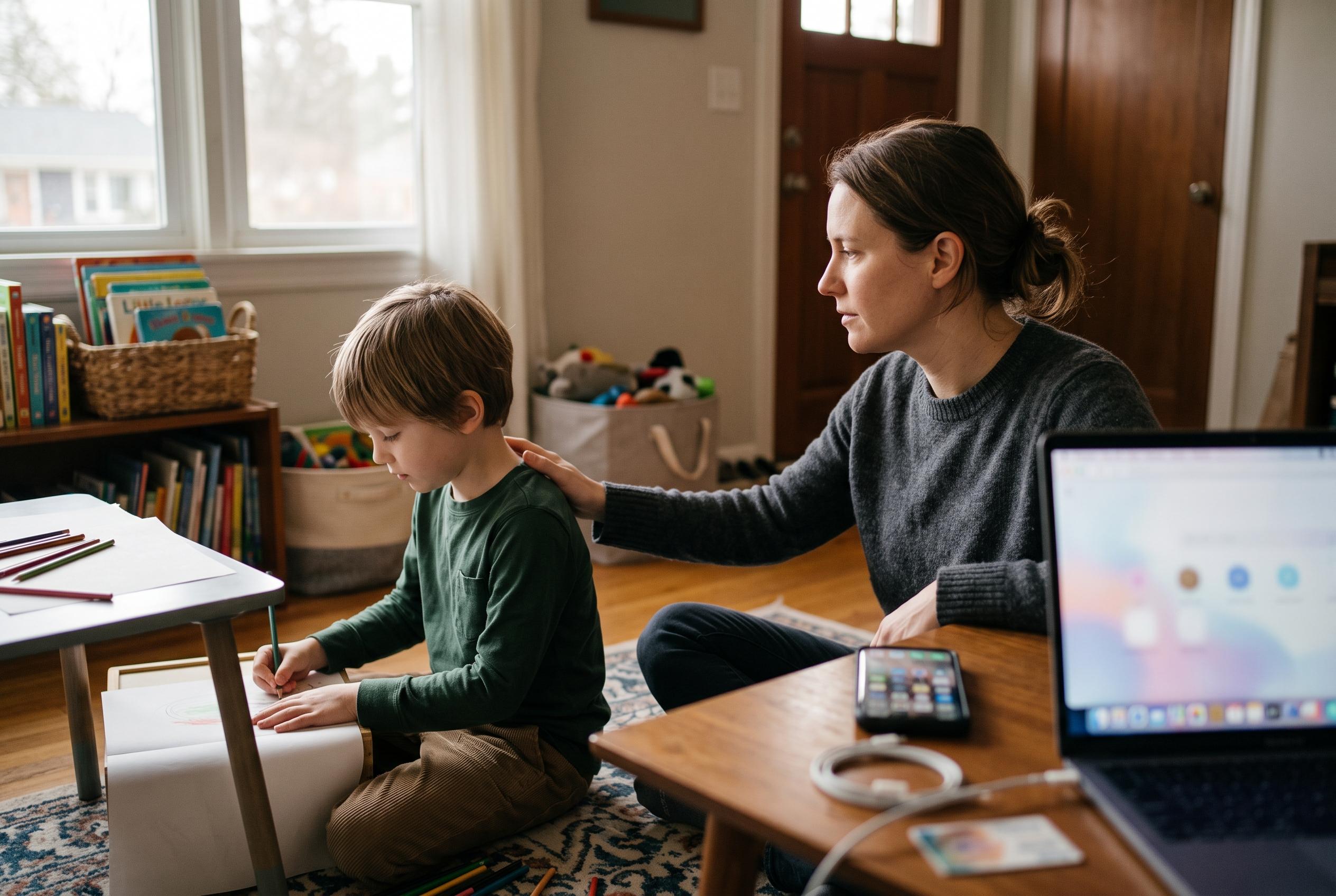

Experts highlight the importance of recognising subtle behavioural and online warning signs in protecting children from abuse, stressing adult responsibility and proactive measures to create safe environments.
Protecting children from sexual abuse is not a child’s burden to carry alone. Adults, not children, are responsible for creating safe settings, setting boundaries and acting when behaviour feels wrong. The Cleveland Clinic and Mayo Clinic both note that abuse can take many forms, including sexual, emotional and neglectful behaviour, and that warning signs are often subtle rather than obvious.
One of the clearest messages from child-safety experts is that there is no single profile of an abuser. Instead, adults should watch for patterns that create secrecy, isolation, access or control. That can include repeated efforts to be alone with a child, boundary-pushing physical contact, excessive gifts, private messaging, sexualised jokes or attempts to turn a child away from trusted caregivers. The Australian Government’s National Office for Child Safety says changes in behaviour can also matter, including fear, withdrawal, anxiety, nightmares and sexual knowledge that is not age-appropriate.
Digital behaviour can be just as important as face-to-face conduct. Private chats, disappearing messages, requests to move conversations off approved channels or pressure to share sexual images can all be warning signs. The Cleveland Clinic and Michigan’s Voices4 initiative both highlight that adults who work with children should use safe communication methods and avoid any online behaviour that creates secrecy or dependency.
If a child begins to act differently, that does not prove abuse, but it does call for attention. MedlinePlus and Healthline both list signs such as sleep problems, pain, regression, avoiding certain people or places, self-harming behaviour and unexplained physical complaints. A child may also become unusually anxious, depressed or withdrawn, or may avoid school, sports and family activities without a clear reason.
How adults respond matters. Experts say to stay calm, listen, thank the child for speaking up and avoid leading questions or direct confrontation with the suspected person. Reporting laws vary by location, but the central rule is simple: you do not need proof before passing on a reasonable concern. In the United States, immediate danger should be reported by calling 911, while the Childhelp National Child Abuse Hotline can provide confidential guidance around the clock.
Prevention depends on informed adults and strong systems. Cleveland Clinic and Mayo Clinic both stress the value of safe environments, while child-protection organisations recommend clear codes of conduct, limits on one-to-one access, staff screening, volunteer training and digital-safety rules. The goal is not simply to spot abuse after the fact, but to reduce opportunities for it and make it easier for children to be heard.
Disclaimer: This content is for informational purposes only and is not intended to be a substitute for professional medical judgment, advice, diagnosis, or treatment.