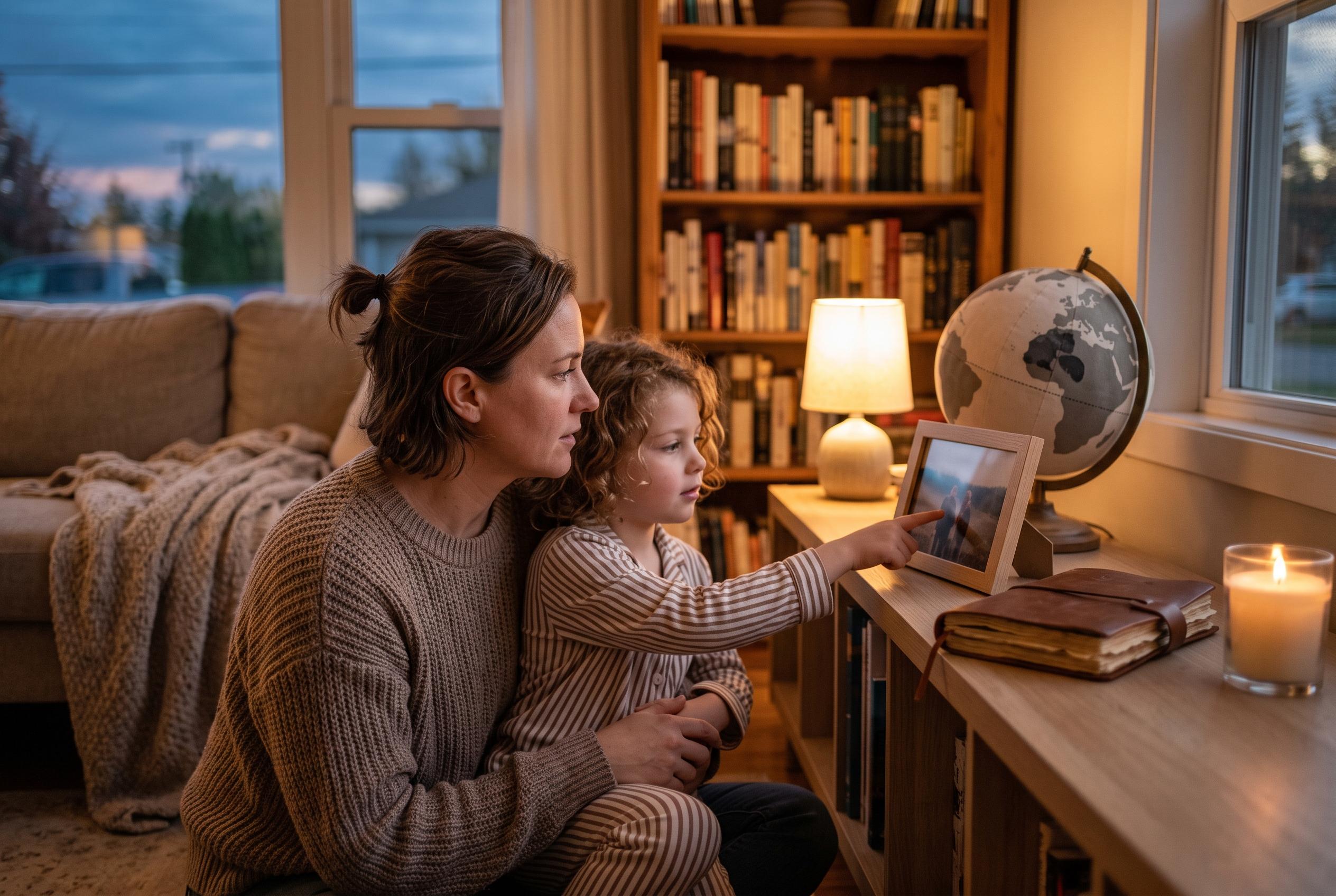

As the 25th anniversary of 9/11 approaches, parents grapple with sensitive conversations about the tragedy, balancing honesty and reassurance tailored to their children’s age and curiosity.
September’s anniversary of the 9/11 attacks can reopen difficult questions for children who were not yet born, or were too young to remember, and parents often find themselves fielding those questions after school, online or amid the heavier media coverage that surrounds the date. With this year marking the 25th anniversary, the topic is likely to surface even more often, leaving families to navigate a conversation that can feel both emotionally charged and impossible to script.
Experts say the best starting point is usually the child’s age and level of curiosity. For very young children, the emphasis should be on reassurance rather than detail: they are safe, the adults around them are looking after things, and they do not need a full historical account to feel secure. If a child asks one question and then returns to play, psychologists say that is often a sign they have taken in enough for the moment.
Parents do not need to answer more than was asked. A brief, honest response that matches the child’s age is often enough, and it is perfectly acceptable to say “I don’t know” when a question goes beyond what you can confidently explain. Older children may want more context, including how security procedures, travel and everyday routines changed after the attacks, but even then the conversation is best handled in small, manageable pieces rather than as a single lecture.
How the information is delivered matters as much as the facts themselves. Child psychologists say children are more likely to feel unsettled by an adult’s anxiety than by a careful explanation of what happened. It is fine for parents to acknowledge sadness, but they should do so in a way that keeps the focus on the child’s safety and on the fact that difficult feelings can be discussed openly.
Parents should also ask what a child has already seen or heard. On an anniversary that brings more television coverage, photographs and online posts, children may encounter fragments of information without context, and those gaps can be filled in by their imagination. Clarifying what they actually saw can prevent misunderstandings and help correct anything that has been distorted or frightening.
There is no single normal reaction. Some children want repeated conversations, some show little obvious interest and some may act out their questions in play. Experts advise watching for patterns over time: if anxiety, sleep trouble, mood changes or school difficulties persist, that may be a sign to speak with a paediatrician or therapist. Parents are also encouraged to notice their own responses, since children often take emotional cues from the adults around them.
Disclaimer: This content is for informational purposes only and is not intended to be a substitute for professional medical judgment, advice, diagnosis, or treatment.