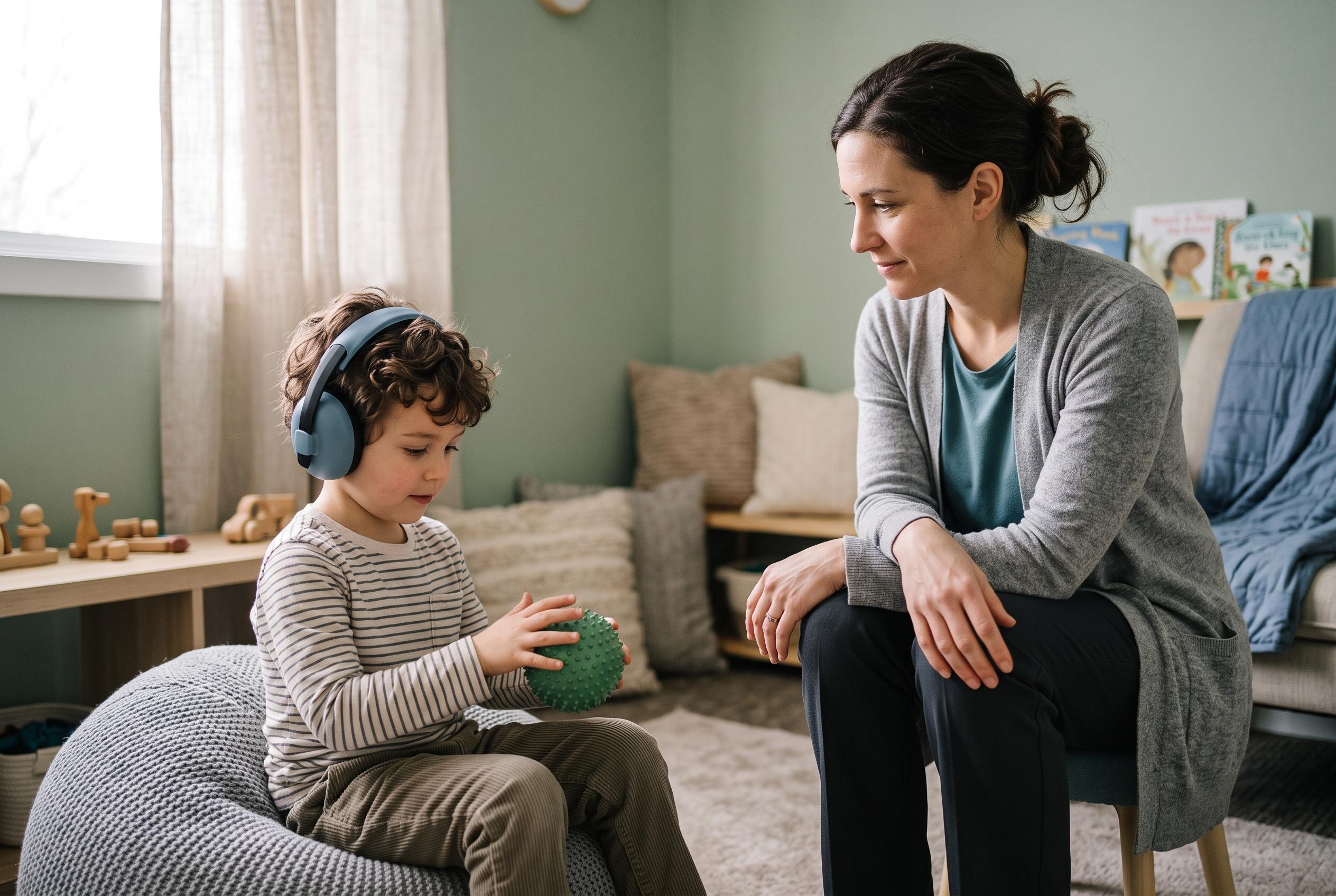

Emerging research underscores the importance of recognising sensory processing difficulties as a root cause of anxiety in children, urging tailored interventions for better management.
Anxiety is often one of the most overlooked effects of sensory processing difficulties in children, according to The Sensory Spectrum. When the brain struggles to make sense of touch, sound, movement, smell or light, everyday situations can feel unpredictable and unsafe. WebMD and the Cleveland Clinic both note that sensory processing disorder, or SPD, involves the brain handling sensory information differently, while Psych Central explains that sensory overload can quickly trigger fear, discomfort and anxiety.
For some children, that constant strain can look like restlessness, distractibility or emotional outbursts. WebMD says ADHD and SPD can appear similar because both may affect concentration and behaviour, but the underlying problem is different: ADHD centres on focus and impulse control, while SPD is rooted in sensory misprocessing. Healthline adds that sensory difficulties can affect daily routines and social interactions, and the Cleveland Clinic describes over-responsivity, under-responsivity and sensory craving as common patterns.
The Sensory Spectrum argues that repetitive behaviours may also be misunderstood. A child who lines up toys, counts, or follows fixed routines may not be displaying a separate condition, but using predictable actions to cope with sensory overwhelm. DrSensory says sensory over-responsivity and anxiety often appear together, making careful assessment important so children are not treated for the wrong problem. That distinction matters because, as the site warns, medication or other interventions may miss the sensory issue at the centre of the struggle.
Experts cited across the related reporting say support usually works best when it starts with regulation, not punishment. Quiet retreats, sensory tools and consistent strategies at home and school can help children manage input more safely. The Cleveland Clinic says occupational therapy is often used to help people adapt to sensory challenges, while Medical News Today and Healthline note that practical changes and therapy can reduce the impact of overload. For parents, the message is straightforward: anxiety and attention problems are not always separate diagnoses, and understanding a child’s sensory needs can make daily life far easier.
Disclaimer: This content is for informational purposes only and is not intended to be a substitute for professional medical judgment, advice, diagnosis, or treatment.