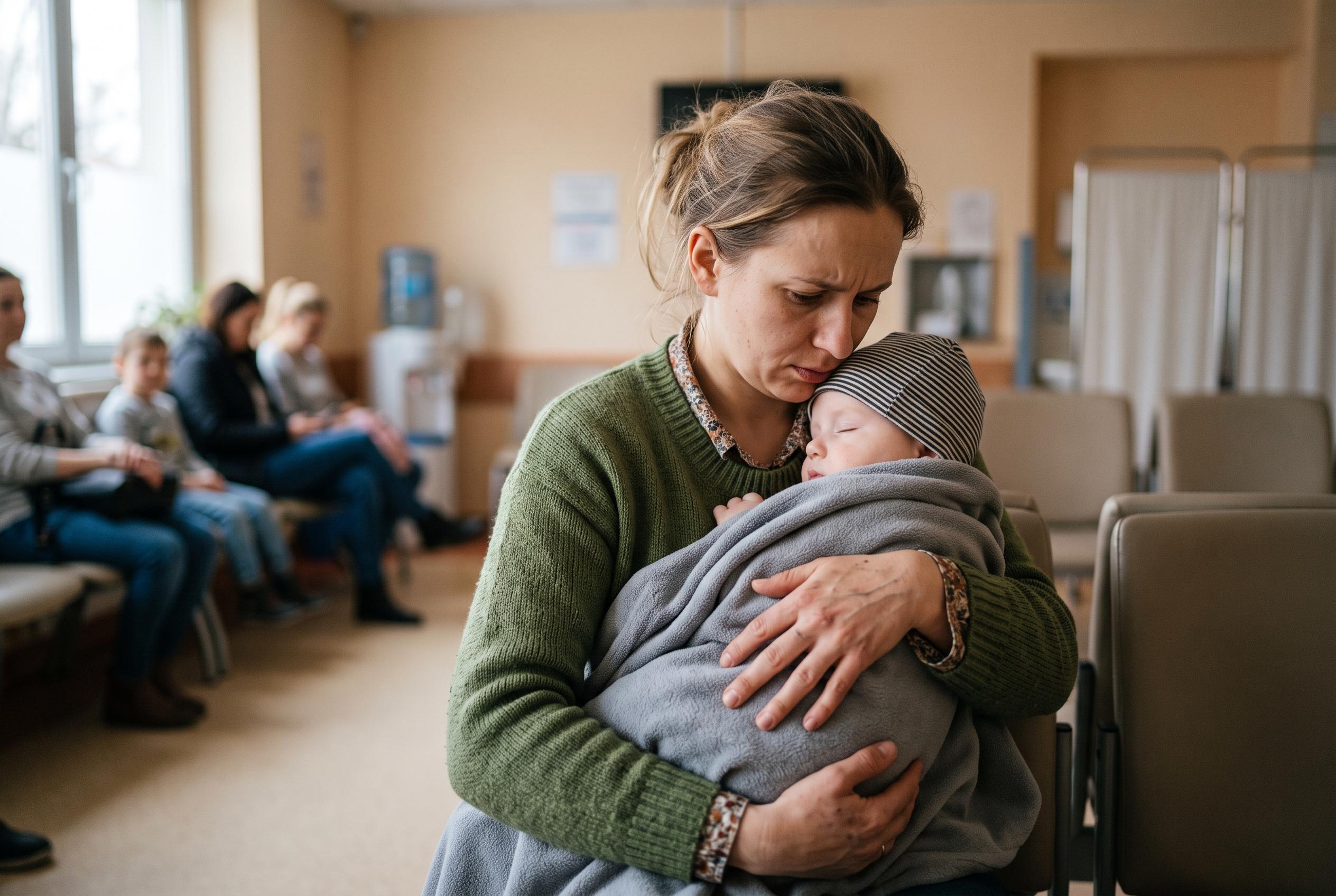

New analysis indicates a continued rise in respiratory syncytial virus hospitalisations among infants in Poland, prompting experts to urge for pre-emptive vaccination programmes and targeted parental information to curb the growing burden on healthcare systems.
Respiratory syncytial virus, or RSV, remains one of the main reasons infants in Poland end up in hospital, and new analysis suggests the burden is still rising. A report prepared by the Mother and Child Institute Foundation argues that the country should think less about how to treat the consequences of each winter wave and more about how to limit the damage before it starts.
Polish hospital data point to a sustained increase in RSV admissions over recent seasons, with the heaviest impact among babies in their first year of life. In the 2022-23 season, more than 20,000 children under five were admitted to hospital with RSV, and most of them were newborns or infants. The problem is not confined to children already known to be vulnerable: the report says nearly all of those hospitalised had no recognised risk factors before they fell ill.
The pressure on hospitals is not limited to paediatric wards. Because RSV infections cluster in autumn and winter, they arrive just as other respiratory illnesses are also surging, leaving emergency departments and children’s units stretched. The report says intensive care beds can also become tied up, which forces some planned admissions and operations to be postponed. Professor Marcin Czech, an epidemiologist and public health specialist quoted in the foundation’s document, said RSV is also an issue for highly specialised centres that normally focus on other complex conditions.
The European Medicines Agency says a range of RSV prevention tools is now authorised in the EU, including vaccines for adults and pregnant women and preventive medicines for infants and at-risk children. The European Centre for Disease Prevention and Control has also urged countries to step up infant protection ahead of the 2025-26 winter season, noting that babies under six months are at particular risk of severe disease. In Poland, however, there is still no universal prevention programme for all infants.
That gap matters because the virus spreads easily within households. The foundation’s report says most transmission comes from close contacts such as parents, siblings and grandparents. It also notes that in several countries, including Spain, France, the United States and Chile, broader immunisation programmes have sharply reduced RSV hospitalisations, in some cases by 70% to 98%.
For doctors, the challenge is that RSV has no specific curative treatment. Care is largely supportive, focused on relieving symptoms and helping breathing. Neonatologist Paweł Krajewski said RSV can quickly progress in newborns and young infants from bronchiolitis to respiratory failure, sometimes requiring oxygen therapy or mechanical ventilation. Because the course of infection is difficult to predict early on, emergency doctors often err on the side of caution when deciding whether to admit a child.
The report also places more emphasis than usual on parents. It says confusion and inconsistent messaging can weaken confidence in prevention and leave families unsure about what to do. The foundation argues that information should reach parents before birth, when decisions are less likely to be made under pressure. The document says one in five children under two needs outpatient care for RSV, and one in 50 infants is hospitalised in the first year of life, underscoring the scale of the problem and the value of prevention.
Disclaimer: This content is for informational purposes only and is not intended to be a substitute for professional medical judgment, advice, diagnosis, or treatment.