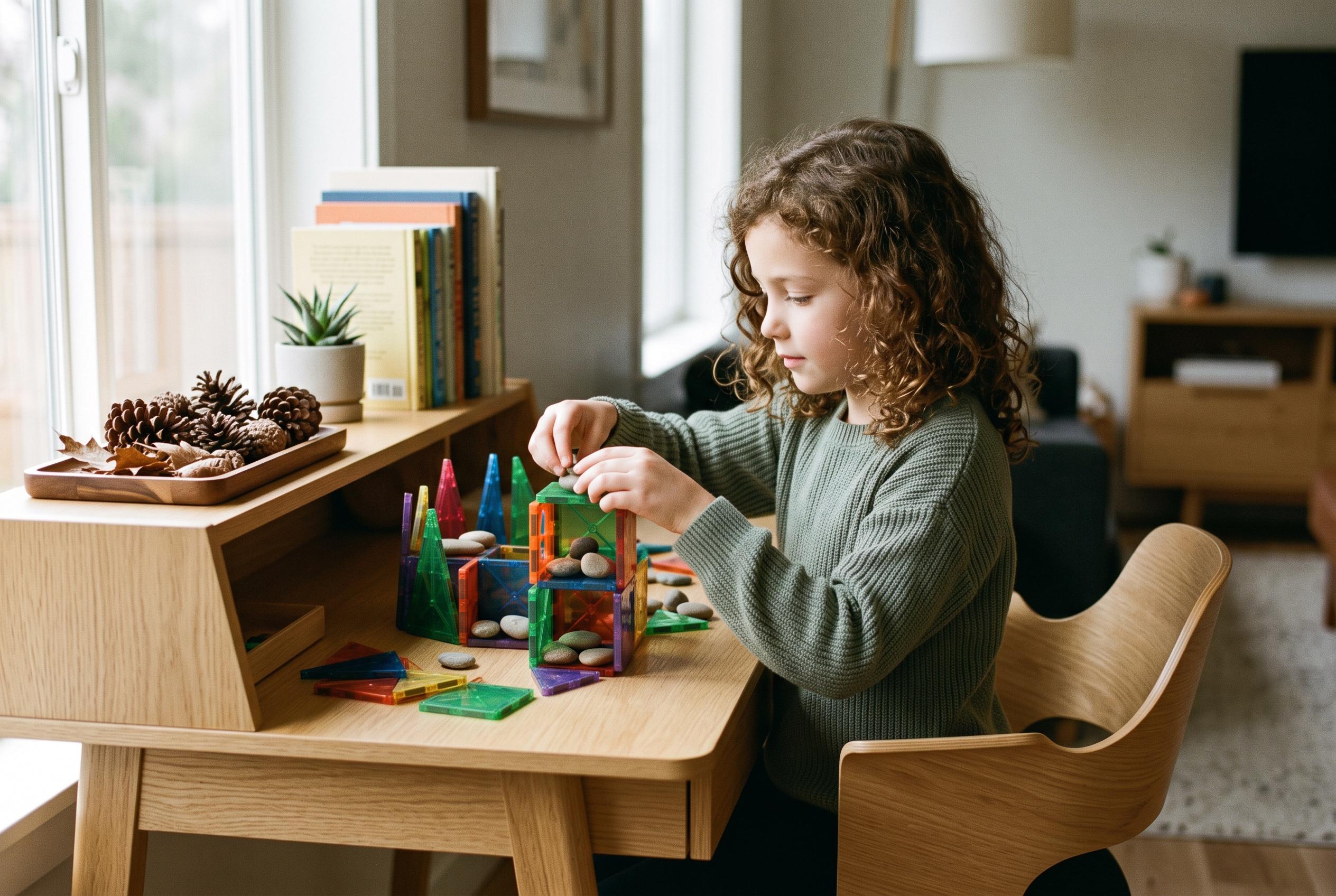

Customised homeschooling approaches are empowering children with ADHD by accommodating their unique attention, energy, and organisational needs, fostering greater independence and effective learning.
Homeschooling can offer children with ADHD something many traditional classrooms struggle to provide: room to learn in ways that suit how their minds work. Rather than expecting a child to sit still, power through long tasks or hold multiple instructions in working memory, parents can adapt the day to fit attention, energy and focus patterns. That flexibility can be a major advantage, especially when lessons are built around support rather than compliance. According to the sources supplied, the aim is not to lower expectations, but to remove barriers that get in the way of learning.
A useful place to begin is executive function, the set of mental skills that help children start tasks, stay on track, organise materials, manage time and switch between activities. For many children with ADHD, the academic concept itself is not the problem. The harder part is everything wrapped around the task: getting started, following directions, remembering what comes next and finishing work without losing focus. That is why accommodations can be so effective. They separate the child’s ability from the demands of the process.
One of the simplest adjustments is to shorten work periods. Instead of expecting a child to sit through a full lesson, parents can set a clear, limited block of time and then schedule a break. A timer makes the end point concrete and predictable, which can reduce resistance and fatigue. The same principle applies to larger assignments. A history report, for example, becomes less overwhelming when it is broken into small, visible steps such as choosing a topic, finding sources and drafting one paragraph at a time.
Visual supports also matter. Checklists, written instructions, picture schedules, alarms and reminders can reduce the burden on working memory, which is often a weakness for children with ADHD. Rather than asking a child to keep six directions in mind, parents can put the sequence where it can be seen. The related material also notes that this approach can shift responsibility gradually, so the parent is not always the one holding the whole plan together.
Movement is another area where homeschooling can be especially helpful. Instead of treating movement as a distraction, parents can build it into the day through walking breaks, standing work, exercise balls, trampolines or simply pacing during an audiobook. The point is not to force stillness, but to notice what helps the child focus. The same is true of the learning environment itself. Some children concentrate best in silence; others do better with background noise, a less cluttered space or a change of setting.
Parents are also encouraged to think carefully about how learning is delivered. A child may show understanding through discussion, typing, listening to an audiobook or hands-on work rather than long worksheets and repetitive problems. That flexibility can be especially valuable for families managing both ADHD and dyslexia, where different kinds of support may be needed at the same time. One accommodation may help access reading, while another helps with attention, pacing or organisation.
The broader message across the sources is that accommodations are not a shortcut. They are a way to support learning while children gradually build independence. A parent may start by making the checklist, timing the work or breaking the task into steps. Over time, the child can take on more of that responsibility. For families who homeschool, that progression can be one of the greatest advantages: support can be adjusted, reduced or reshaped as the child grows.
Disclaimer: This content is for informational purposes only and is not intended to be a substitute for professional medical judgment, advice, diagnosis, or treatment.