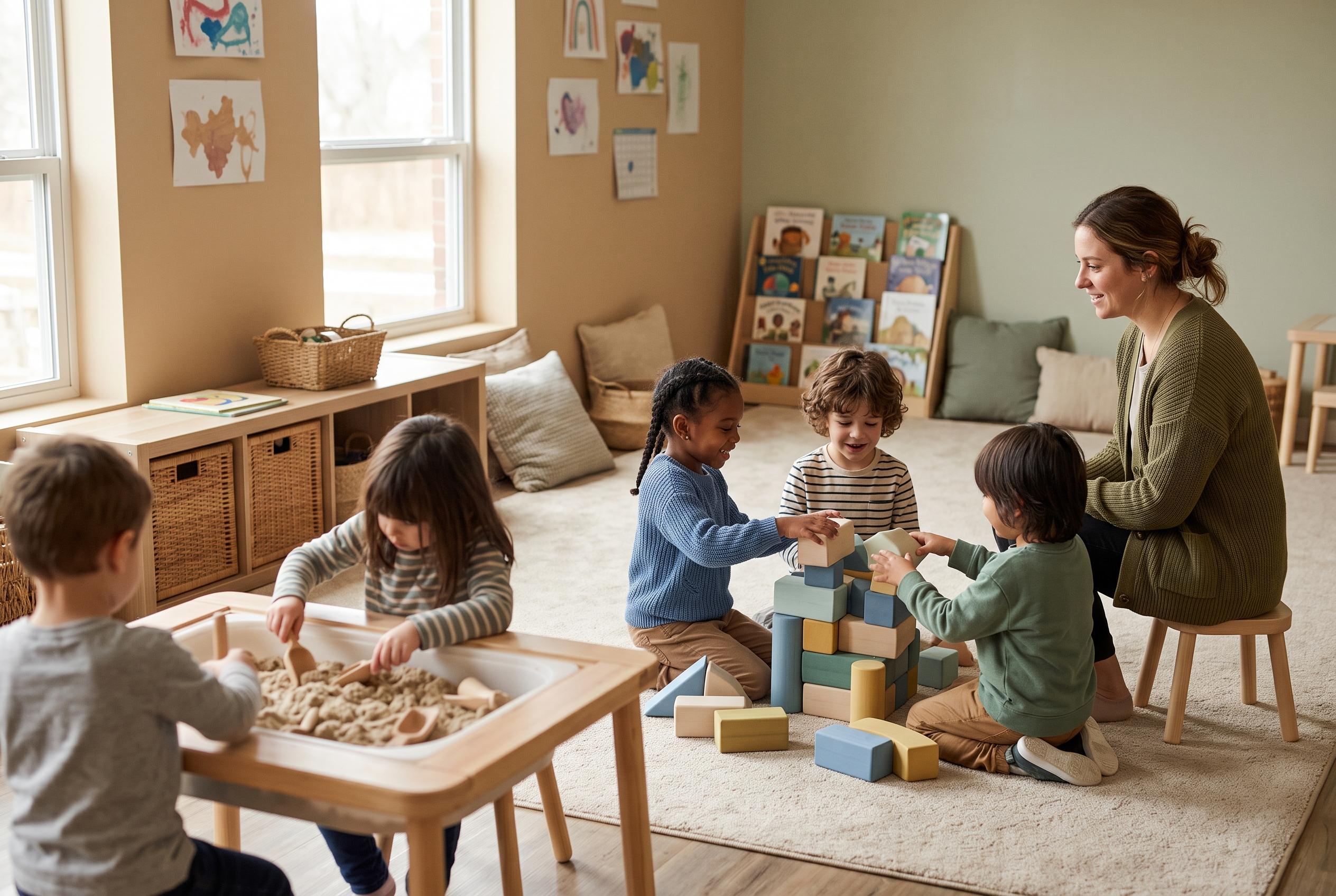

Israel’s Education Ministry emphasises emotional, social, and physical preparedness over early reading and writing, highlighting a holistic approach to school success that begins long before the first lesson.
Starting school is often more about readiness than early reading or counting. Israel’s Education Ministry does not expect children entering first grade to already read or write, and it does not advise parents to drill those skills in advance unless a child shows a clear interest. The bigger question, according to the ministry guidance reflected in the source article, is whether a child is emotionally, socially and physically ready for the classroom.
Emotional readiness is the foundation. As child development guidance from the American Academy of Paediatrics notes, school readiness depends not only on language and learning but also on attention, self-regulation and the ability to manage feelings. In practical terms, a child is more likely to cope well at school if they can separate from a parent without distress, listen for sustained periods and respond to changes or problems during the day. Cleveland Clinic likewise advises families to treat the move to school as a transition that benefits from preparation, routine and reassurance.
Social readiness matters just as much. Moving from nursery to school can mean leaving familiar friends behind and meeting a new group of children. The source material advises parents to help children practise sharing, waiting their turn, listening to others and settling small disagreements. It also suggests arranging playdates with classmates and talking before the first day about stories of children who faced new situations and adapted successfully. HealthyChildren.org, the American Academy of Pediatrics’ parent site, recommends visiting the school or classroom in advance and discussing concerns early, so the child does not face the new environment cold.
Physical readiness is another part of the picture. A child should be able to sit still for longer stretches, hold a pencil or pen, and use their hands well enough for classroom tasks. The source article recommends simple activities that build fine motor skills, such as drawing, cutting shapes from paper, placing small stickers and colouring within lines. Cleveland Clinic and other paediatric guidance also stress that sleep, meals and health checks help children arrive at school better prepared to learn.
There is also the practical matter of self-organisation. By about age six, children should be learning to dress themselves, manage buttons and zips, use the toilet independently, wash their hands and pack their school bag. Parents can ease the first days by explaining the routine in concrete steps: what time the child will wake, what happens after breakfast, who will meet them at school and how the journey home will work. Checking the route in advance, buying school supplies together and rehearsing morning departures can all reduce anxiety, according to Cleveland Clinic and HealthyChildren.org. The broader message from child development specialists is simple: school success begins long before the first lesson, but it rests less on early academics than on confidence, routine and the ability to cope with change.
Disclaimer: This content is for informational purposes only and is not intended to be a substitute for professional medical judgment, advice, diagnosis, or treatment.