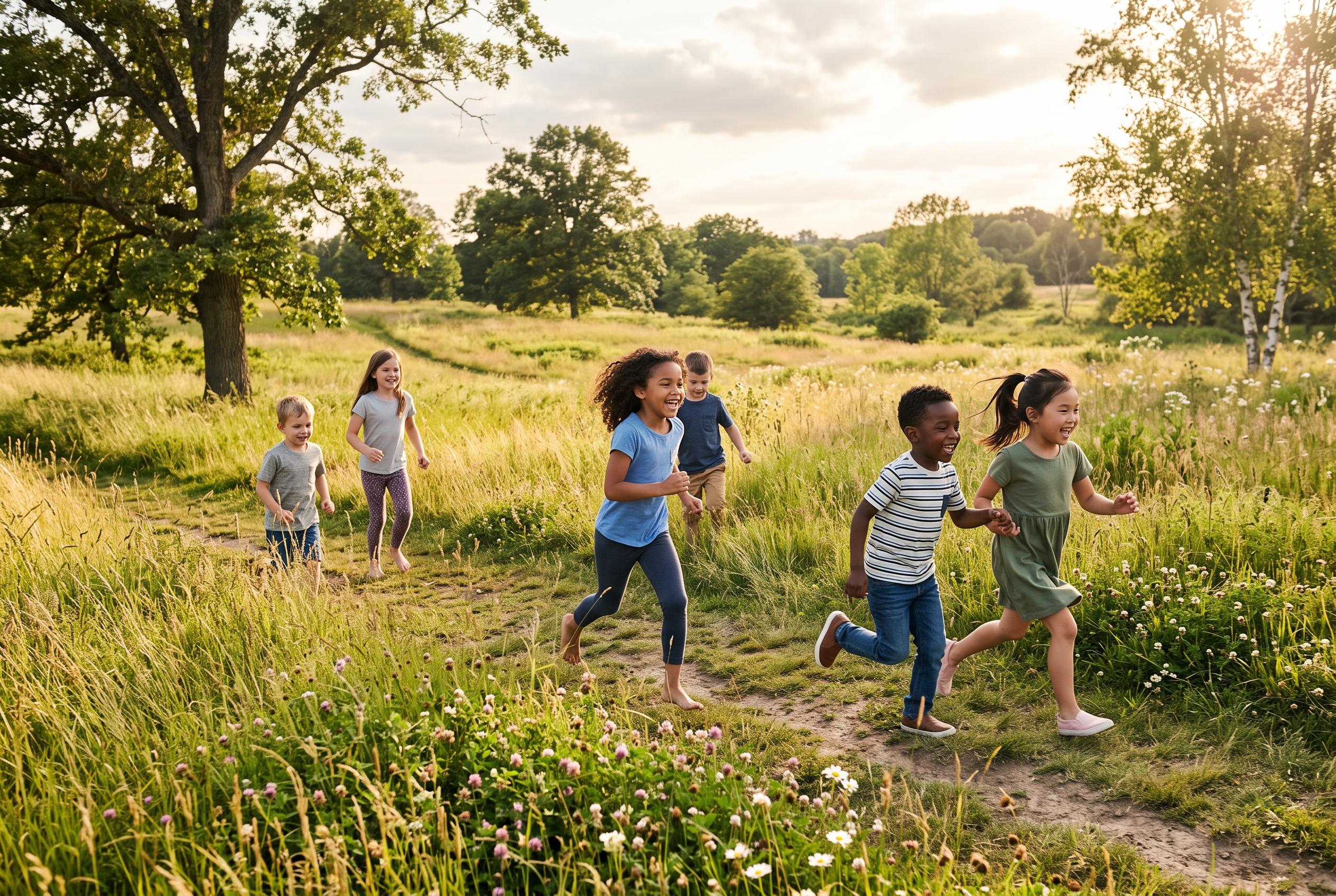

A shift away from unstructured outdoor play and casual movement threatens childhood well-being, calling for a return to everyday, everyday movement as a vital aspect of development and socialisation.
Children’s play has become too often treated like a project to manage, schedule and optimise, when much of its value lies in the opposite. The author begins with a simple reminder from her own life: once biking was just something she did, not a performance or a fitness routine. That shift mirrors a wider change in childhood itself, as everyday movement has given way to organised, supervised and often car-dependent schedules. Research cited by The Atlantic and older federal data show how sharply active travel has fallen, with far fewer children now walking or cycling to school than in the late 1960s.
The decline is not just about bicycles. A generation ago, many elementary school pupils had substantial recess and long stretches of free play. The Centre for Disease Control and Prevention says recess should be a regular part of the school day because it supports physical activity, memory, attention and social development. Yet the CDC and education researchers have documented how testing pressures and school routines have squeezed that time, leaving children with far less unstructured movement than their parents likely remember.
That matters because the loss of casual activity is not fully replaced by sports teams or after-school programmes. The related summaries point to a broad drop in unstructured outdoor play and a steady fall in regular bike riding, alongside growing inequality in who gets access to organised activities. In practice, the children most likely to lose out are often those in lower-income families, who have less access to pay-to-play options and safer routes for independent movement.
The piece argues that the answer is not more expensive gear or a more elaborate exercise culture, but a return to ordinary movement built into everyday life. Walking to the playground, parking further away, letting children use the stairs or simply giving them time and space to roam all add up. Schools can help too: the American Academy of Pediatrics says, “Recess is a necessary component of a child’s development.” The larger point is that play should be taken seriously as a need, but not dressed up as a special event.
Disclaimer: This content is for informational purposes only and is not intended to be a substitute for professional medical judgment, advice, diagnosis, or treatment.