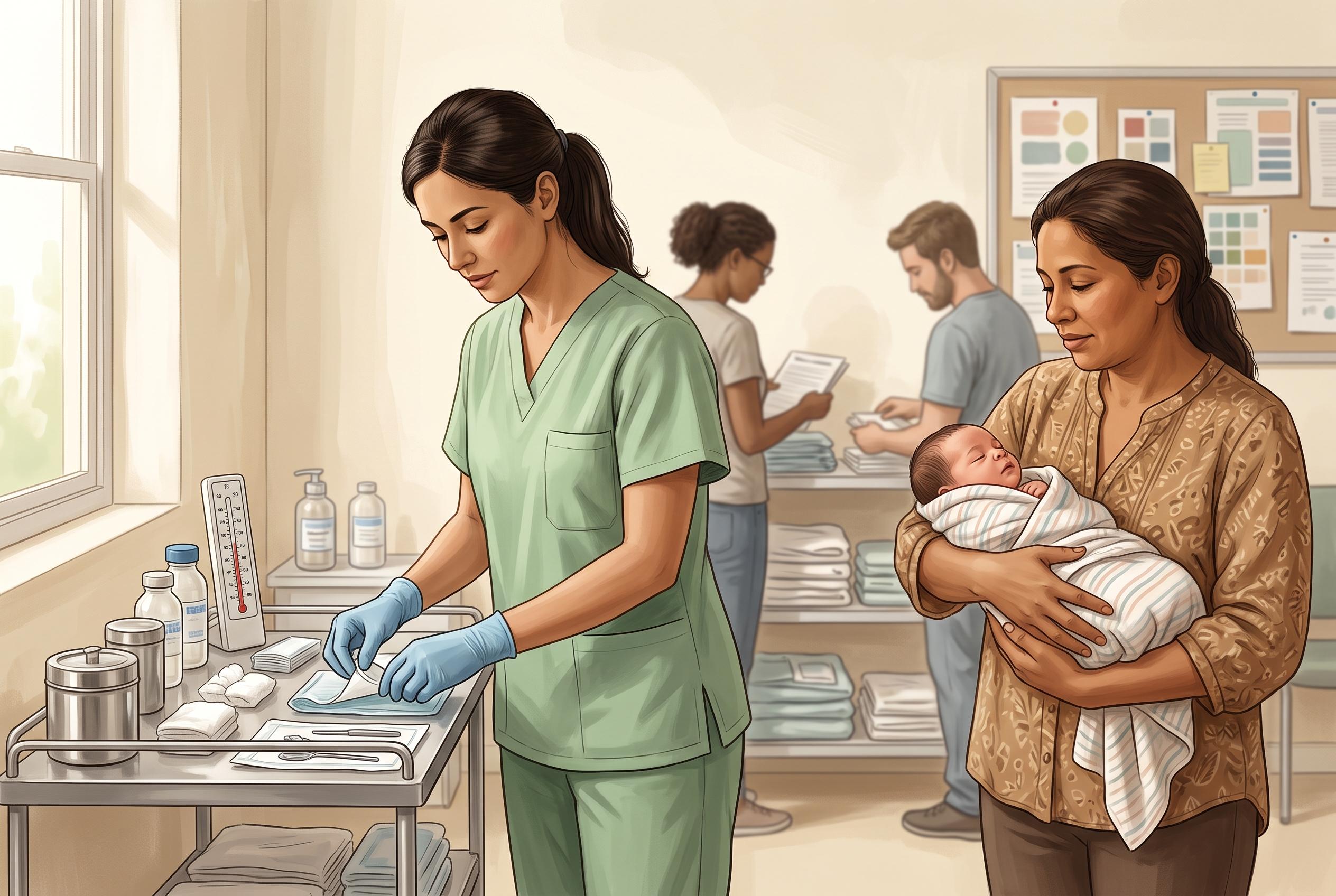

Brazil’s pioneering public milk bank system, established in 1943 and now hosting around 230 facilities, is a model of social solidarity that has significantly contributed to reducing child mortality and ensuring neonatal health through a non-commercial, community-driven approach.
In a small glass container in Rio de Janeiro, a few millilitres of frozen yellow liquid can mean the difference between recovery and a dangerous complication for a premature baby. At the Fernandes Figueira Institute, home to Brazil’s oldest human milk bank, which dates back to 1943, that milk is treated as a public resource rather than a commodity.
Brazil now has about 230 public milk banks, and each year roughly 240,000 babies, most of them premature or ill, receive donated milk through the public health system. The World Health Organisation regards the Brazilian model as a global benchmark, while the country’s health ministry says donated milk helps protect infants from diarrhoea, respiratory illness, allergies and other serious conditions. When a mother’s own milk is unavailable, the WHO recommends pasteurised donor milk as the next best option.
That scale rests on an idea that sets Brazil apart from many other countries: the milk is not for sale. Elsewhere, a growing market has emerged in which private firms pay donors, process the milk and sell it commercially. Supporters say that approach funds research and compensates women for their time, but critics warn that financial pressure can push poorer mothers to part with milk their own children may need.
Brazil’s system was reshaped in the 1980s after João Aprígio Guerra de Almeida found outdated facilities, weak controls and expensive imported equipment. According to accounts of the reform, the response was strikingly practical: costly pasteurisers were replaced with cheaper domestic water-bath systems, and sterile glass jars often made for mayonnaise or instant coffee stood in for specialised laboratory containers. The most important change was logistical. Motorcyclists began delivering containers to mothers at home and collecting the frozen milk afterwards, creating a low-cost network that linked donors, labs and neonatal units.
The result has been more than an efficient supply chain. Between 1990 and 2015, Brazil cut mortality among children under five by 73%, and the milk-bank system was part of a broader public health approach that treated survival as a collective responsibility. In a country where a stranger donates, a rider collects, a laboratory checks and a baby lives, the “white gold” of Brazil has become both a medical tool and a statement of social policy.
Disclaimer: This content is for informational purposes only and is not intended to be a substitute for professional medical judgment, advice, diagnosis, or treatment.