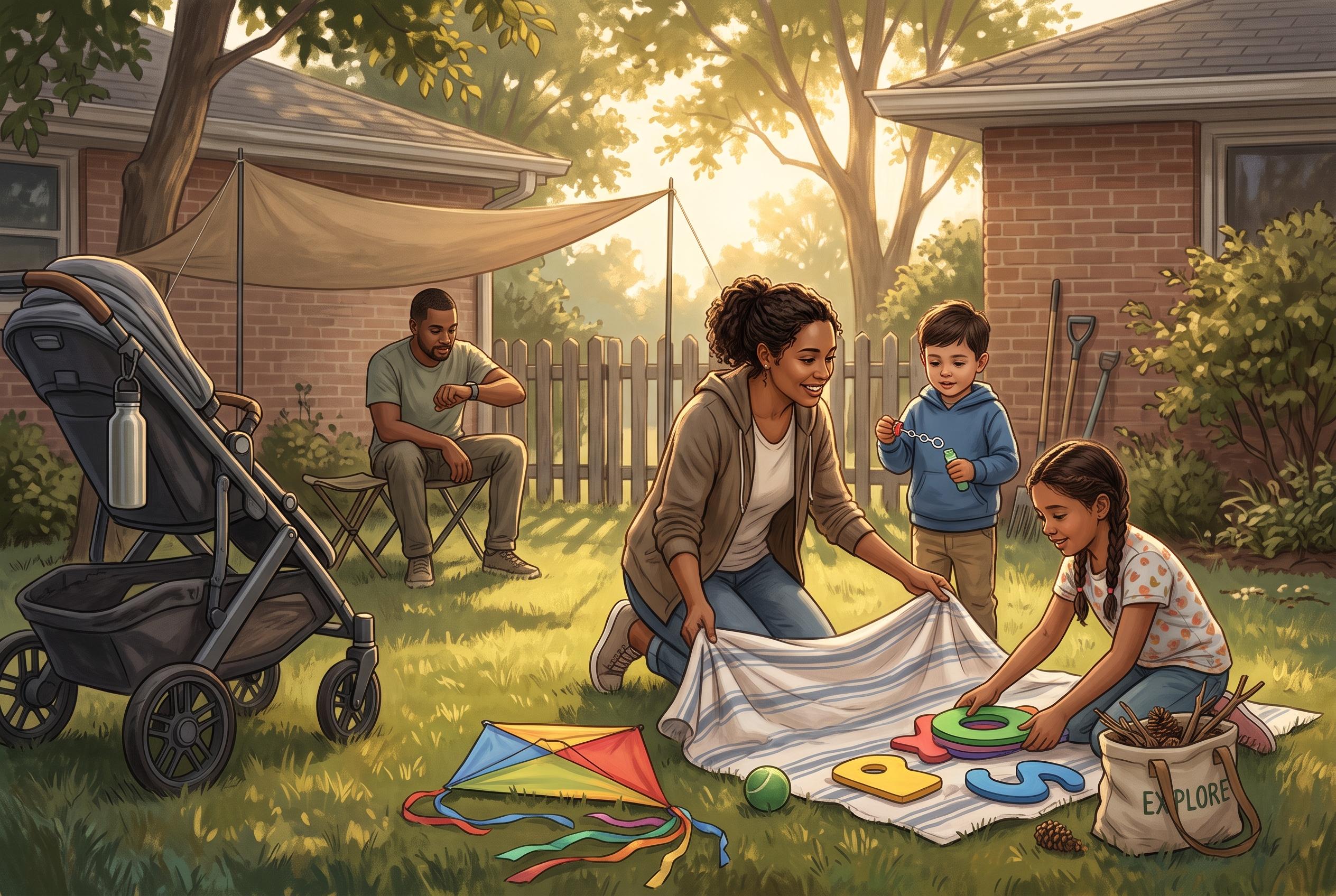

With children spending more time indoors, experts suggest creative strategies to make outdoor activities inviting, fostering physical, emotional, and social development in a digital age.
Children are spending more time indoors, and parents who want to change that may need to be deliberate about making the outdoors feel inviting rather than compulsory. The core idea is simple: when outside time is woven into daily life, children are more likely to treat it as normal, enjoyable and worth repeating. According to the CDC and HealthyChildren.org, outdoor play supports physical activity, motor development and broader healthy growth.
That matters because outdoor play is linked with more than exercise alone. HealthyChildren.org says it can support mood, behaviour and learning, while UCLA Health notes that time outside may also help with stress and attention. UNICEF and Medical News Today both point to the broader cost of staying indoors too much: children can become more sedentary and more disconnected from nature.
One of the easiest ways to help is to make the back garden more appealing. Swings, climbing equipment, toys or even simple games can turn an ordinary space into somewhere a child wants to return to. If space is limited, a planned outing can do the same job. Cleveland Clinic suggests nature walks, visits to parks, zoos or botanical gardens, and other low-pressure activities that make being outside feel like part of family life rather than a special event.
Social time can also be a strong motivator. Playdates, treasure hunts, ball games and outdoor craft sessions give children a reason to leave the sofa behind. The CDC says outdoor environments also give children chances to test limits and learn new skills, which makes unstructured play especially valuable. Gardening can be another useful option, since many children enjoy digging, planting and getting messy in ways that feel more like play than instruction.
Perhaps the most effective approach is also the least dramatic: set an example. Children are more likely to copy what adults do than what they are told to do, so a family walk, an evening in the garden or a weekend camping trip can send a stronger message than repeated reminders. Medical News Today and UNICEF both stress that regular, enjoyable outdoor routines are easier to sustain than one-off efforts, especially in a digital age where staying inside is often the default.
Disclaimer: This content is for informational purposes only and is not intended to be a substitute for professional medical judgment, advice, diagnosis, or treatment.