

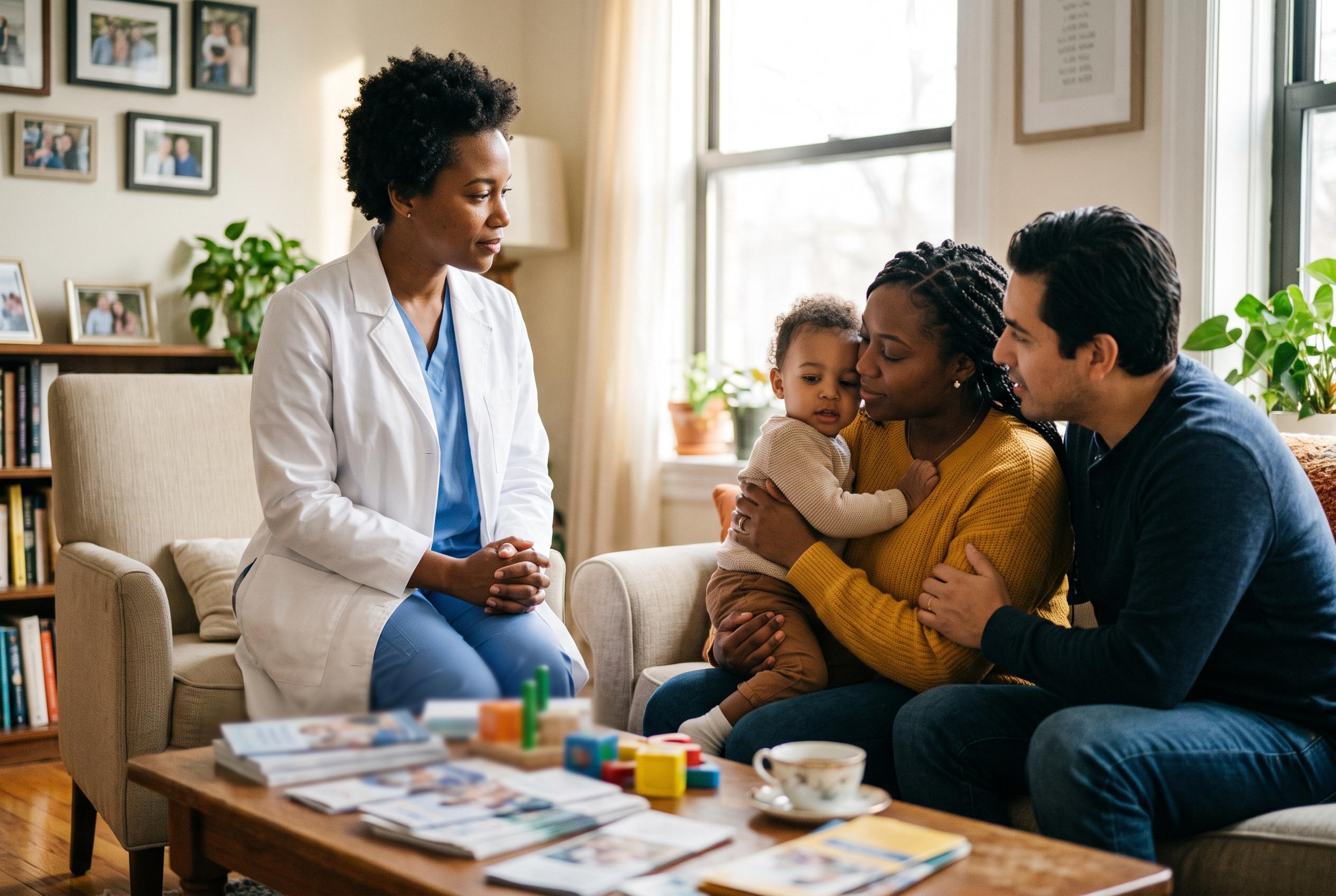

A paediatrician highlights the dangers of rejecting routine childhood vaccinations, emphasising the potential consequences for vulnerable infants and the importance of informed parental decisions amidst declining vaccination rates.
Refusing routine childhood vaccinations is not just a private family decision, a paediatrician has warned, because the consequences can reach other children, including babies too young to be fully protected. Boriana Slancheva, a paediatrician and neonatologist, said skipping immunisation was irresponsible and argued that the public debate needs to be rooted in facts rather than fear.
Speaking on Nova television, Slancheva said she is a firm supporter of vaccines and that parents should be properly informed. Her comments came as health authorities continue to stress that measles, mumps and rubella remain preventable but potentially serious diseases when vaccination rates fall. The World Health Organisation says measles is highly contagious and can cause complications such as pneumonia and encephalitis.
Slancheva also pointed to mumps, which can return as a significant problem if vaccine coverage drops. The World Health Organisation lists orchitis, meningitis, encephalitis and hearing loss among the recognised complications, particularly in boys and young men. Rubella, she said, can be especially dangerous in pregnancy, because infection early on can pass to the foetus and lead to miscarriage, stillbirth or congenital rubella syndrome.
She rejected the long-running claim that childhood vaccines cause autism. The World Health Organisation says decades of research have found no causal link, and the CDC also says there is no association between the MMR vaccine and autism. The WHO’s latest review, covering studies from 2010 to 2025, again found no evidence of such a connection.
The risk, Slancheva said, is not confined to the child whose parents refuse vaccination. A larger unvaccinated sibling can bring infection home to a newborn, including in cases of whooping cough, placing the youngest family members at risk. That danger is greater for premature and seriously ill babies, who depend entirely on adults for protection.
Her remarks were made as the neonatology clinic at Maichin Dom marked its 50th anniversary, a milestone that underlined the hospital’s long role in caring for premature and critically ill newborns. Slancheva said the clinic also needs better follow-up for children after discharge, ideally through a national electronic register, while noting that new equipment donated through “The Bulgarian Christmas” initiative is now in daily use.
Disclaimer: This content is for informational purposes only and is not intended to be a substitute for professional medical judgment, advice, diagnosis, or treatment.



